
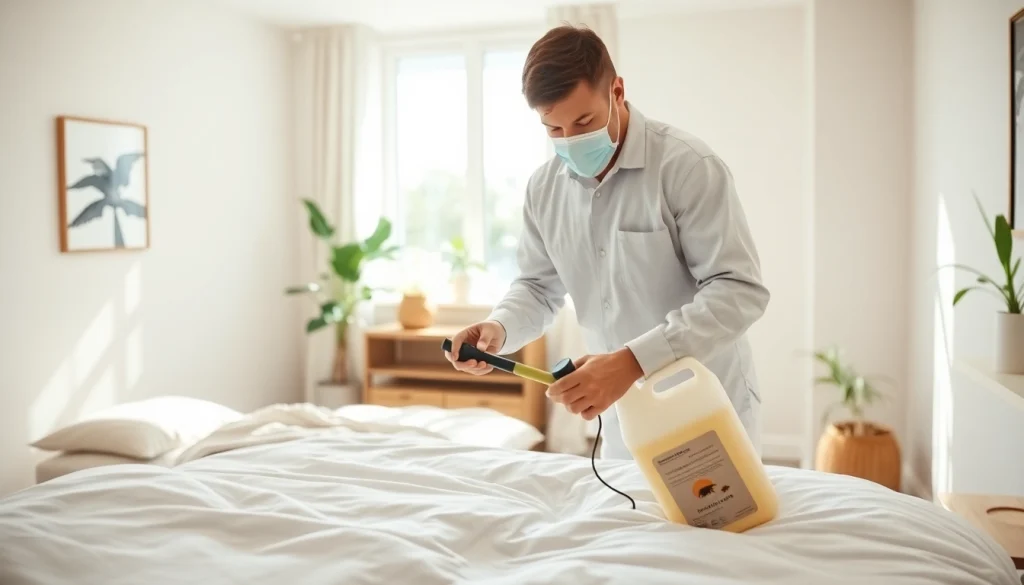
Understanding Bed Bugs: Identification and Biology
Bed bugs are tiny, wingless insects that feed on the blood of humans and animals. They are notorious for their ability to cause discomfort and distress, particularly during the night when the unsuspecting victim is asleep. Understanding their biology, behavior, and the signs of infestation is crucial for effective management. For comprehensive pest control solutions, you can refer to https://affordablebedbugexterminators.com.
What Are Bed Bugs and How Do They Infest?
Bed bugs belong to the Cimicidae family and are primarily found in human habitats, thriving in places like beds, couches, and luggage. They are most commonly transported inadvertently by people who move between homes, hotels, or other shared living spaces. Once inside, bed bugs quickly reproduce, leading to a full-blown infestation if left unchecked. Females can lay hundreds of eggs throughout their lifetime, which can hatch in as little as a week, furthering their spread.
Biological Characteristics of Bed Bugs
Adult bed bugs are reddish-brown and about the size of an apple seed (around 4–5 mm in length). They have a flattened body that allows them to hide easily in crevices and small spaces. Understanding their lifecycle is essential in eradicating them effectively. The stages include:
- Eggs: Small, white, and about 1 mm long, they are often found in cracks and crevices.
- Nymphs: These are the immature forms that resemble adults but are smaller and lack fully developed reproductive organs.
- Adults: Fully grown bed bugs can survive for several months without feeding, making them particularly resilient.
Common Signs of Bed Bug Infestation
Detecting a bed bug infestation early can save time and money. Key indicators include:
- Rusty or reddish stains: These are caused by bed bugs being crushed and can often be found on bedding or clothing.
- Dark spots: Excrement spots can accumulate and are typically found in the vicinity of their hiding spots.
- Egg cases: These are tiny, yellowish cases left behind after nymphs hatch.
- Live insects: Spotting an adult bed bug or nymph is a clear sign of infestation.
Prevention Strategies to Avoid Bed Bug Infestation
Preventing bed bugs from infiltrating your space requires proactive strategies and thorough cleaning practices. Below are effective measures to help homeowners keep these pesky insects at bay.
Essential Practices for Homeowners
Commonly overlooked precautions can significantly reduce the risk of a bed bug infestation:
- Avoid purchasing second-hand furniture or inspect items thoroughly before bringing them indoors.
- Maintain cleanliness by regularly vacuuming carpets, rugs, and upholstery.
- Use protective bed covers designed specifically for bed bugs to encapsulate mattresses and box springs.
- Seal cracks and crevices in walls and furniture to eliminate potential hideouts.
Effective Cleaning Techniques
Cleaning your living space frequently can also deter bed bugs:
- Wash and heat-dry bedding, curtains, and clothing regularly, especially after travel.
- Use a vacuum with a HEPA filter to trap bed bugs and their eggs effectively, disposing of the vacuum bag immediately.
- Steam clean upholstery and carpets periodically, as bed bugs cannot survive extreme heat.
The Role of Professional Inspections
Engaging professionals for regular inspections can lead to early detection and prevention:
- Professional exterminators have access to specialized equipment and training that can identify bed bug presence even when they are not visibly evident.
- Routine inspections can catch bed bug issues before they escalate into an infestation, saving homeowners significant hassle and expense.
Professional Bed Bug Treatment Options Explained
When infestations occur, relying on professional pest control services is paramount. Here, we delve into various treatment methodologies and their effectiveness.
Heat Treatments Versus Chemical Treatments
Two primary types of treatment commonly are heat treatments and chemical applications:
- Heat Treatments: This method involves raising the temperature of the infested area to levels lethal to bed bugs (around 118°F for 90 minutes). Heat treatment not only kills bed bugs at all life stages but also reaches into the infested furniture and walls, ensuring thorough eradication.
- Chemical Treatments: These involve applying insecticides to infested areas. While they can be effective, it is crucial to follow the manufacturer’s instructions meticulously to avoid chemical resistance and ensure safety.
The Benefits of Integrated Pest Management
Integrated Pest Management (IPM) combines multiple strategies to prevent and manage bed bug infestations holistically. Key components include:
- Identifying how and why the infestation occurred.
- Combining prevention tactics with chemical and non-chemical treatments for effective results.
- Continuously monitoring the situation to provide feedback and adapt methods as needed.
Safety Considerations in Bed Bug Treatments
When utilizing any treatment method, safety should be paramount:
- Ensure the use of organics or non-toxic solutions when chemical treatments are employed.
- Follow all safety protocols, including vacating the property during treatment if necessary.
- Post-treatment, allow soiled bedding and clothing to air out before reintegrating them into your living space.
Preparing Your Home for Bed Bug Treatments
Proper preparation before a treatment session can enhance its efficacy. Here is a comprehensive checklist to follow.
Step-by-Step Preparation Checklist
Before the exterminator arrives, homeowners should take the following steps:
- Remove all bedding, clothing, and fabric items from the affected area and wash them in hot water.
- Clear the area around beds and couches to provide access to exterminators.
- Vacuum all surfaces to mitigate the number of bed bugs present before chemical application.
- Inform the exterminator of any areas of high activity or sightings noted.
Common Mistakes to Avoid
Preparation is key, and common pitfalls to avoid include:
- Failing to wash fabrics adequately, which diminishes the effectiveness of treatments.
- Not clearing furniture away from walls, restricting exterminators’ access.
- Underestimating the importance of following all preparatory guidance as provided by pest control professionals.
What to Expect During Treatment
Understanding the treatment process can alleviate concerns:
- The exterminator will conduct an initial inspection, identifying hotspots and strategies to target.
- Expect to be informed about the specific treatment plan and timing.
- Following treatment, you may need to vacate the area for several hours as a precaution.
Aftercare: Maintaining a Bed Bug-Free Home
Success against bed bugs doesn’t stop with treatment; ongoing vigilance is essential to ensure that they don’t return.
Post-Treatment Care Guidelines
A few essential practices to follow after treatment include:
- Allow professionals to evaluate the effectiveness of their treatments and provide suggestions for maintaining a bed bug-free environment.
- Avoid bringing in new furniture or items from potentially infested areas without examining them first.
- Regularly inspect your living space and keep an eye out for any signs of re-infestation.
Long-Term Monitoring and Maintenance Tips
Preventing future bed bug infestations requires patience and diligence:
- Educate yourself and household members on recognizing early signs of bed bugs.
- Develop a routine cleaning schedule that includes regular vacuuming and washing of fabrics.
- Consider annual professional inspections as a proactive measure, especially in high-risk areas.
When to Schedule Follow-Up Treatments
Follow-up treatments may be necessary to prevent resurgence:
- If you notice signs of bed bugs after treatment, contact your pest control provider immediately.
- Experts typically recommend a follow-up treatment within 2 to 4 weeks post-initial intervention to eliminate any remaining pests.