Maximizing Impact: Designing the Perfect Trade Show Booth
Understanding the Importance of a Trade Show Booth
Trade shows serve as pivotal events for businesses in various industries, acting as platforms for networking, marketing, and showcasing products or services. The centerpiece of these bustling events is the trade show booth, an essential tool for companies aiming to make a lasting impression. In this comprehensive article, we’ll explore the multifaceted significance of trade show booths, delve into their design elements, best practices, and success metrics, and look forward at emerging trends in booth design.
The Role of Trade Show Booths in Marketing
The marketing potential of a trade show booth cannot be overstated. Serving as a direct extension of a brand, a well-designed booth attracts attendees, facilitates engagement, and communicates key messages effectively. It’s a unique opportunity to elevate a brand in a crowded space where visibility is paramount. A strategically placed and aesthetically pleasing booth can draw foot traffic and initiate conversations, leading to potential sales and partnerships. The exhibit space is often the first impression many potential clients will have of your company, making it critical to utilize this opportunity fully.
How Trade Show Booths Enhance Brand Visibility
Trade show booths are integral to enhancing brand visibility. The design, messaging, and layout of a booth communicate the essence of a company to its audience. Utilizing strong visuals, consistent branding, and interactive elements can significantly boost recognition and retention. When attendees are surrounded by numerous competing booths, distinctive elements such as custom signage, engaging product displays, and attractive color schemes catch their attention and keep them engaged. Repeated exposure to branding in various contexts builds familiarity, laying the groundwork for future business interactions.
Common Challenges Faced by Exhibitors
Despite the opportunities presented by trade shows, exhibitors often encounter several challenges. One significant hurdle is the initial investment required to design and execute an attractive display. This includes costs related to booth design, logistics, and staffing. In addition, event competition presents both strategic and operational challenges; a booth must not only attract attendees but also encourage them to interact with staff. Finally, measuring the success of a trade show presence can be elusive. Without clear key performance indicators (KPIs) and post-event analysis, it’s challenging to ascertain the return on investment (ROI).
Key Design Elements of a Trade Show Booth
Color Schemes and Branding
The color scheme of a trade show booth plays a critical role in effective visual communication. Colors evoke emotions and influence perceptions, making them an essential consideration in booth design. Companies should aim for a color palette that aligns with their brand identity while ensuring high visibility within an exhibition hall. It’s also important to ensure color contrast allows for readability of text from a distance, as many attendees will only glance at booths while walking by. Cohesiveness between the booth design and promotional materials further solidifies brand recognition.
Layout and Flow for Optimal Traffic
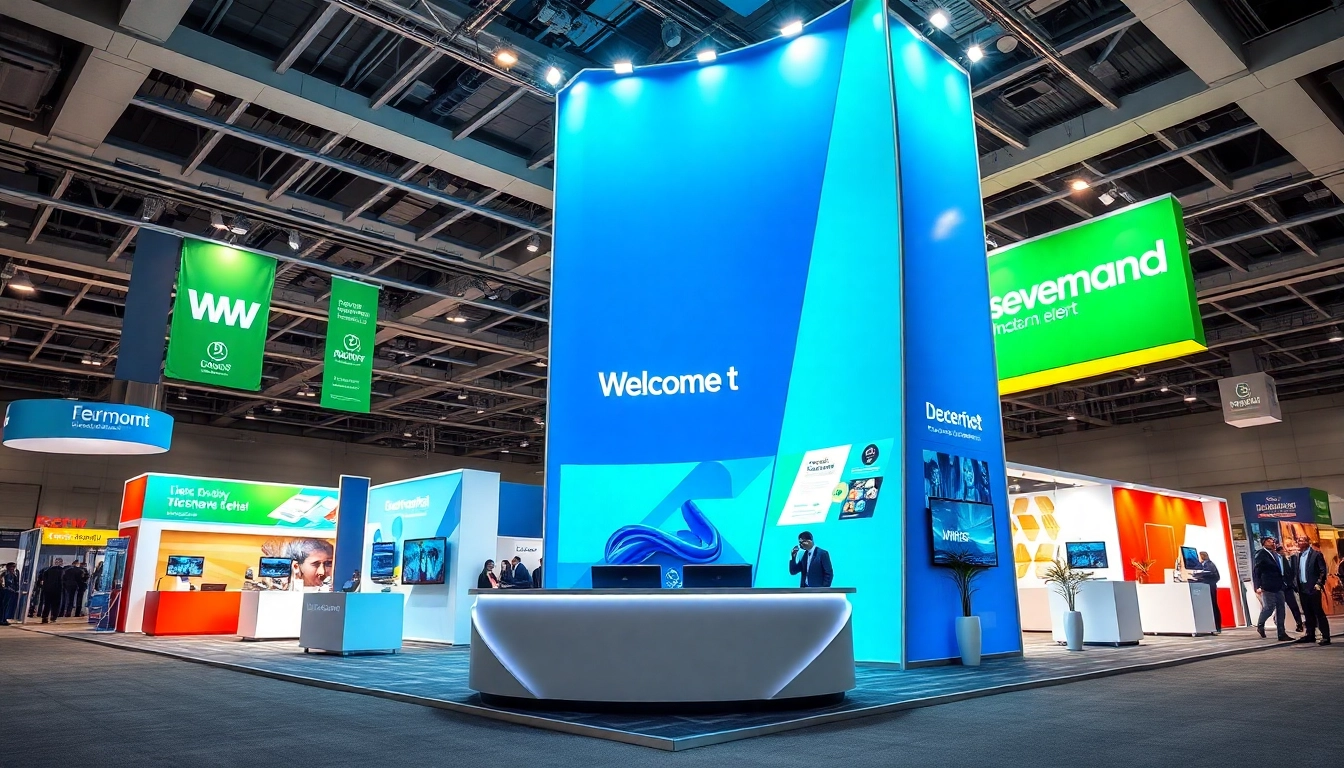
An inviting layout encourages foot traffic and engagement. Booths should be designed for easy navigation, with open spaces that allow visitors to enter and exit without feeling cramped. Utilizing an island booth layout can facilitate a more dynamic flow, allowing attendees to engage from multiple angles. Key elements like welcome counters, product displays, and seating areas should be strategically placed to guide visitor movement naturally through the space. Incorporating signage to direct attention to unique selling propositions enhances visitor engagement.
Innovative Technology Integration
Incorporating technology into a trade show booth can significantly enhance visitor interaction. From digital displays that showcase product videos to interactive touchscreens allowing for hands-on experience of services, technology can engage attendees in a memorable way. Augmented reality (AR) experiences that let visitors visualize products in their environment can create a deeper connection to the brand. Technology should not only attract attention but also provide meaningful experiences that inform potential clients about offerings efficiently.
Best Practices for Your Trade Show Booth
Creating Engaging Visual Displays
Creating visual displays that captivate and inform is central to ensuring a trade show booth’s effectiveness. High-quality graphics, well-placed signage, and illuminated displays can draw visitors in. Moreover, utilizing physical products within the booth creates a tactile experience that virtual presentations cannot replicate. Dynamic elements such as promotional videos or live demos provide compelling reasons for attendees to spend more time engaging with the booth and staff.
Staff Training and Visitor Interaction
The staff manning the booth play a critical role in the trade show experience. They should be thoroughly trained, not only on product knowledge but also on engagement techniques. Staff should be approachable and ready to interact with visitors, initiating conversations rather than waiting passively for attendees to approach. Training should include techniques for qualifying leads, managing objections, and providing tailored information relevant to the visitors’ needs.
Post-Event Follow-Up Strategies
Following up with leads after a trade show is vital for converting interest into sales. Develop a clear follow-up strategy that includes sending personalized emails, thanking visitors for stopping by, and providing additional relevant materials. It’s beneficial to utilize customer relationship management (CRM) tools to track interactions and schedule follow-ups. Each engagement post-event should feel personal rather than automated, reinforcing the connection made during the event.
Measuring the Success of Your Trade Show Booth
KPIs to Monitor Before and After Events
Establishing key performance indicators (KPIs) before a trade show is crucial for measuring success. Important metrics might include the number of visitors, engagement levels, follow-up contacts made, and the sales pipeline generated by the event. Financial checks like calculating the cost per lead and total expenses versus revenue attributed to the event can yield insight into the booth’s ROI. Regularly reviewing these metrics helps refine future strategies.
Collecting Visitor Feedback and Insights
Visitor feedback provides invaluable insights into the booth’s performance. Setting up brief surveys or using interactive technology can provide immediate feedback regarding visitor interest, what attracted them to the booth, and how their questions were addressed. Moreover, ensuring that staff members are trained to gather informal feedback during conversations can lead to both quantitative and qualitative insights that enhance future efforts.
Analyzing ROI from Trade Shows
Ascertaining the ROI from a trade show requires a comprehensive analysis of both direct and indirect benefits. While direct sales attributed to the event are easier to measure, indirect benefits such as brand exposure, lead generation, and relationship building are equally important. A detailed analysis juxtaposing initial investments with the value of made connections over time can provide a fuller picture of success.
Future Trends in Trade Show Booth Design
Sustainability and Eco-Friendly Materials
As awareness of environmental issues rises, sustainability in trade show booth design is emerging as a significant trend. Companies are increasingly opting for eco-friendly materials and practices that reduce carbon footprints. This can include using recycled materials, sourcing sustainable products, and creating modular designs that can be reused over time. Sustainability not only resonates with eco-conscious consumers but also positions brands as responsible entities in their industries.
Virtual Reality and Augmented Experiences
The integration of virtual reality (VR) and augmented reality (AR) in trade show booths is providing innovative ways to engage with audiences. These technologies allow exhibitors to create immersive experiences that can showcase products in ways that were previously unattainable. For instance, VR can transport visitors to a different setting where they can interact with a product while AR can allow them to visualize how a product fits into their current space. As these technologies become more accessible, they will likely transform the dynamics of visitor interaction at trade shows.
The Rise of Hybrid Events and Their Impact
COVID-19 brought changes to the events landscape, with hybrid events combining physical and virtual elements becoming increasingly popular. This paradigm shift allows companies to reach a broader audience beyond geographical limitations. For exhibitors, this means creating booths that are not just designed for in-person attendees but also for virtual participants. Adjusting visuals for online interactions and incorporating live demo streams can create a cohesive experience that engages attendees on both fronts. Understanding this evolution will be critical for exhibitors aiming to maximize their reach and effectiveness in the future.