Essential Guide to Choosing the Right Fly Fishing Boots for Every Angler
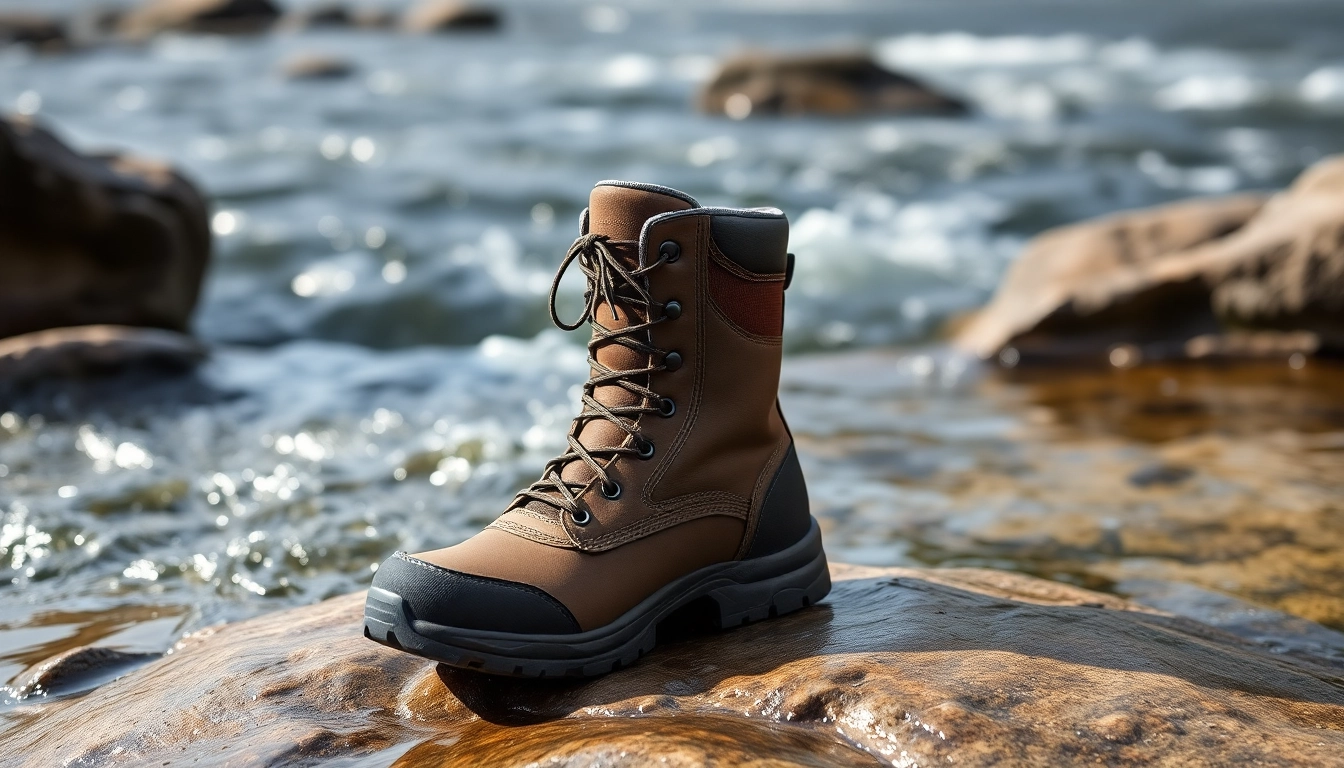
Understanding Fly Fishing Boots: Features and Benefits
For any angler worth their salt, selecting the right footwear can significantly impact the overall fishing experience. Fly fishing boots are not just an accessory; they are a crucial piece of gear that can make or break your outing on the water. This article delves into the essential features and benefits of fly fishing boots, helping you make informed decisions when selecting your next pair.
Key Features to Look For
When it comes to choosing fly fishing boots, understanding the key features can reduce the overwhelming choice on the market today. Below are fundamental attributes to consider:
- Waterproofing: Quality fly fishing boots must be fully waterproof to prevent soggy feet and discomfort. Look for boots with durable, water-resistant material or those treated with waterproof coatings.
- Traction: A solid grip is essential for navigating slippery rocks and riverbeds. Many boots feature rubber or felt soles designed for maximized traction in various aquatic environments.
- Fit and Comfort: Investing in boots that fit well is crucial. Boots should allow for sufficient wiggle room while also providing stability. Some brands offer wider designs for those with broader feet.
- Support: The best fly fishing boots offer ample support to ankles to prevent injuries while walking on uneven terrain. Ankle-high boots are typically preferred for this reason.
- Breathability: Boots should also allow for airflow to keep feet cool and dry. This is particularly important during long days on the water.
Benefits of Quality Materials
The materials used in the construction of fly fishing boots play a significant role in their overall performance. High-quality materials not only enhance comfort but also improve durability. Look for boots crafted from materials such as:
- Neoprene: Known for its flexibility and insulation properties, neoprene is great for cold water environments.
- Nylon and Polyester: Lightweight and quick-drying, these synthetic fibers are often used in the upper portions of wading boots.
- Rubber:Recommended for its waterproof characteristics and grip, rubber outsoles provide stability on wet rocks.
- Felt: Particularly effective for slippery surfaces, felt soles are commonly used in freshwater environments.
Choosing boots made from high-quality materials ensures they withstand the rigors of frequent use, providing ongoing comfort and support.
How Fly Fishing Boots Enhance Safety and Performance
In the world of fishing, safety should always come first. Wearing the right fly fishing boots can significantly reduce the risk of slipping or falling. As anglers wade through rivers and streams, the risk of injury increases, especially on uneven or slippery surfaces.
The structured design of quality boots provides the necessary ankle support essential for stabilizing footing. Traction provided by rubberized and felt soles allows you to navigate varying terrains confidently. Additionally, the waterproofing feature helps keep your feet dry, preventing the chances of hypothermia when fishing in colder water temperatures.
Types of Fly Fishing Boots: Making the Right Choice
Various styles of fly fishing boots cater to different fishing conditions and personal preferences. Understanding these can help you choose the ideal boots for your fishing adventures.
Rubber Vs. Felt Soles: What’s Right for You?
The choice between rubber and felt soles ultimately depends on your specific fishing conditions:
- Rubber Soles: These offer excellent traction on slick surfaces and are versatile for both salt and freshwater. They are also less likely to harbor aquatic invasive species, worthy consideration for environmentally conscious anglers.
- Felt Soles: Best suited for freshwater fishing, felt soles are designed to grip slippery riverbeds effectively. However, they may not perform well on rocky or muddy surfaces, making them less ideal for diverse environments.
Decide based on the terrain you frequent and the fishing conditions you typically encounter.
Choosing Between Lightweight and Heavy-Duty Boots
Another consideration when selecting fly fishing boots is whether to opt for lightweight or heavy-duty options:
- Lightweight Boots: Ideal for warm-weather fishing, lightweight boots promote comfort during long walks to your fishing spot. They often dry quickly, making them suitable for transitioning between wet and dry conditions.
- Heavy-Duty Boots: Constructed for durability, heavy-duty boots endure rough treatments and challenging environments. They typically feature more robust materials for better ankle support and longevity, making them perfect for more demanding fishing trips.
Your choice should align with your fishing habits, frequency of use, and the varying environments you frequent.
Best Practices for Selecting the Perfect Fit
A proper fit is crucial not only for comfort but also for performance. Here are best practices for selecting the perfect fit for your fly fishing boots:
- Try Before You Buy: Always try on boots before making a purchase. Make sure to wear the socks you plan to use while fishing to ensure the best fit.
- Check for Wiggle Room: When trying on boots, ensure there’s just enough space to wiggle your toes without feeling cramped.
- Consider Terrain: If you often fish on uneven terrains, select boots with adequate ankle support and thicker soles to absorb impacts.
- Walk Around: Don’t hesitate to walk around in the boots before purchasing to determine if they feel comfortable, stable, and provide support.
Care and Maintenance of Your Fly Fishing Boots
Proper care and maintenance of your fly fishing boots will extend their life and performance significantly. Here are some essential tips for maintaining your boots:
Cleaning Techniques to Extend Lifespan
To keep your fly fishing boots in optimal condition, cleaning them after each use is vital, especially after fishing in muddy or sandy areas:
- Remove Excess Dirt: Use a soft-bristle brush to remove any sand, dirt, or mud from the boots. Pay special attention to the soles.
- Wash with Water: Rinse the boots with fresh water to eliminate salt and sediment build-up that could lead to material degradation.
- Dry Properly: Allow your boots to air dry away from direct sunlight or heat sources. This helps prevent cracking and damage to materials.
Storage Tips for Off-Season Care
How you store your fly fishing boots during off-seasons affects their longevity:
- Store in a Cool, Dry Place: Ensure they are kept out of direct sunlight and in a cool location to avoid unwanted moisture and prevent molding.
- Use Boot Trees: Consider using boot trees or stuffing them with newspaper to maintain their shape while storing.
When to Replace Your Fly Fishing Boots
No matter how well you care for your fly fishing boots, they will eventually show signs of wear. Here are signs it may be time to replace them:
- Loss of Traction: If the soles have worn down and struggle to provide grip, it may be time for a new pair.
- Visible Damage: Cracks, tears, and any signs of internal water damage should prompt a replacement.
- Discomfort: If your boots have become uncomfortable after extended wear, this indicates it may be time to invest in a new pair.
Top Brands and Models in Fly Fishing Boots
The market is filled with a plethora of brands and models, each offering various features and advancements. It’s essential not just to focus on brand reputation but to consider the specific needs a model meets.
Innovative Technologies in Modern Fly Fishing Boots
Many manufacturers are integrating advanced technologies into their boots, revolutionizing fishing experiences:
- BOA Lacing Systems: This technology allows for a seamless and customizable fit that can be adjusted on-the-fly, delivering comfort where it matters most.
- Interchangeable Soles: Some models offer interchangeable soles that provide varying traction options based on the fishing environment.
- Lightweight Composites: New materials reduce overall boot weight without compromising durability. This is particularly beneficial during extended outings.
Value vs. Price: Understanding Cost-Effectiveness
When it comes to selecting fly fishing boots, price should not be the only consideration. Evaluate the cost against the features provided. Annual wear, the durability of materials, comfort, and performance metrics should all feed into your financial decision.
It’s often worth investing in a higher-quality boot that will last longer and keep you comfortable, especially for avid anglers. Quality boots can be seen as an investment rather than a simple expense.
Read Reviews and Get Recommendations
Harness the power of community and reviews when choosing your next pair of fly fishing boots. Look for insights from fellow anglers, online forums, and product reviews to gauge performance and durability. Experiences shared by other users can guide you towards the right decision, highlighting both strengths and weaknesses of specific models.
Conclusion: Elevating Your Fishing Experience with the Right Boots
Choosing the right fly fishing boots can enhance not only your comfort but also your safety and effectiveness as an angler. With a range of materials, innovative technologies, and a variety of models, it’s essential to consider the key features that meet your specific needs.
Final Thoughts on Investing in Fly Fishing Boots
Your choice in fly fishing boots reflects your commitment to the sport. Invest wisely, considering quality over cost, and ensure that your selections are well-suited to the environments in which you fish.
Building a Complete Fishing Gear Checklist
As you assemble your fly fishing gear, ensure that your boots are just one of many components. A complete gear checklist includes rods, reels, lines, and waders. By ensuring all elements complement each other, you create an enjoyable fishing experience.
Connecting with Fishing Communities for Trends and Tips
Engaging with local and online fishing communities can provide the latest trends, tips, and techniques that can elevate your fishing game. Sharing experiences and knowledge fosters a better overall environment for learning and developing your skill set.