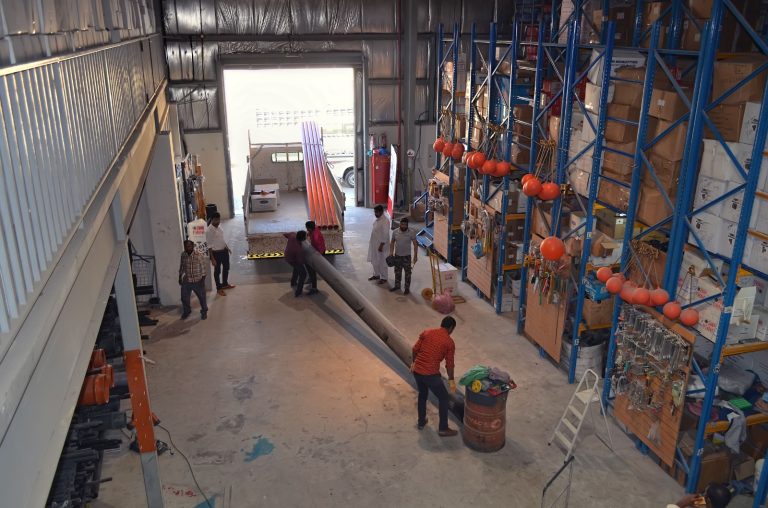
Understanding Construction Workforce Development
Definition and Importance
Construction workforce development refers to the systematic approach of preparing individuals for careers in the construction industry, ensuring they possess the essential skills and knowledge required to thrive. In a time when the demand for construction services is surging, the significance of construction workforce development cannot be overstated. A well-developed workforce leads to safer worksites, improved project timelines, and higher quality outputs, ultimately contributing to the overall health of the economy.
Moreover, effective workforce development helps in addressing skill gaps that exist between current worker capabilities and the industry’s evolving demands. As construction technology advances and projects grow in complexity, ensuring that professionals are adequately trained becomes critical. Creating structured pathways for workforce training and development enhances job preparedness and promotes career advancement for workers, fostering a sustainable workforce.
Current Trends in Workforce Development
The construction industry is experiencing several transformative trends that reflect changes in technology, demographics, and expectations of the workforce. Some prominent trends include:
- Emphasis on Technology Integration: The adoption of Building Information Modeling (BIM), augmented reality (AR), and other digital tools are reshaping traditional construction methods, necessitating new training paradigms.
- Focus on Soft Skills Development: Besides technical skills, employers increasingly value soft skills such as communication, teamwork, and problem-solving abilities among construction workers.
- Collaboration with Educational Institutions: Partnerships with trade schools, community colleges, and universities are becoming more common. These collaborations forge pathways for future workers through curriculum alignment and real-world training opportunities.
Challenges Facing the Industry
Despite the positive trends, several challenges threaten effective construction workforce development:
- Labor Shortages: The construction industry struggles with an ongoing labor shortage exacerbated by an aging workforce and declining interest from younger generations.
- Rapid Technological Advances: The speed of technological changes often leaves existing workers unable to keep pace, highlighting a significant need for continuous training initiatives.
- Safety Concerns: Construction work is inherently risky, making safety training and awareness critical components that must be integrated into workforce development efforts.
Key Skills and Competencies Needed
Technical Skills for Construction Professionals
Technical skills are essential for anyone pursuing a career in construction. These skills encompass a range of knowledge and capabilities necessary to execute tasks effectively and safely. Key technical skills include:
- Blueprint Reading: Understanding and interpreting construction documents is fundamental for anyone involved in the construction phase.
- Site Layout: Workers need proficiency in measuring, marking, and laying out structures to ensure accurate construction.
- Operating Machinery: Expertise in safely operating machinery like excavators, cranes, and power tools is crucial for various roles within the construction sector.
Soft Skills Crucial for Success
While technical abilities are essential, soft skills hold equal importance in construction workforce development. These include:
- Communication: Effective communication facilitates teamwork, project clarity, and conflict resolution.
- Problem-Solving: The ability to identify problems quickly and develop viable solutions is vital in a dynamic construction environment.
- Time Management: Prioritizing tasks and managing time efficiently can positively impact project timelines and productivity.
Continuous Learning and Adaptability
As the construction landscape evolves, a commitment to continuous learning becomes invaluable. Workers must embrace a mindset of adaptability and seek ongoing training opportunities to stay updated on the latest practices and technologies.
Professional certifications and workshops offer avenues for workers to augment their existing skills, while companies can encourage a culture of learning through mentoring and collaborative knowledge sharing.
Strategies for Effective Workforce Development Programs
Partnering with Educational Institutions
Strategic partnerships with educational institutions are vital for fostering a skilled construction workforce. By collaborating, the industry can ensure that curricula are aligned with real-world job demands. Establishing internship programs and co-op placements creates a valuable bridge between academic learning and practical application, giving students firsthand experience in the construction environment.
Moreover, these partnerships can facilitate faculty training in contemporary construction practices, enhancing the quality of education provided to aspiring construction professionals.
Implementing Apprenticeship Programs
Apprenticeship programs play a crucial role in developing the construction workforce, providing a structured framework for on-the-job training while allowing individuals to earn a wage simultaneously. By integrating theoretical knowledge with hands-on experience, apprentices gain insights into real-world challenges while being mentored by seasoned professionals.
Additionally, apprenticeship programs contribute to workforce retention by offering a clear path for advancement and promoting loyalty to employers who invest in their development.
Utilizing Technology in Training
The integration of technology in training methodologies enhances the effectiveness of construction workforce development programs. Virtual reality (VR) simulations can provide immersive training experiences for workers, allowing them to practice skills safely before entering the job site. Online learning platforms that deliver courses remotely make training accessible to a broader audience, accommodating individuals’ varying schedules.
Furthermore, tracking software can help companies monitor training progress, ensuring that employees meet necessary competency levels.
Measuring the Success of Workforce Development Initiatives
Key Performance Indicators to Monitor
To evaluate the effectiveness of workforce development initiatives, organizations should establish clear performance indicators. These may include:
- Retention Rates: Monitoring the retention rates of program participants can indicate the effectiveness of the development efforts.
- Skill Assessment Scores: Conducting regular skill assessments can help gauge improvement among workers and identify areas needing further development.
- Project Completion Times: Tracking project timelines can reflect the efficiency of a well-trained workforce in executing tasks.
Feedback Mechanisms for Improvement
Implementing feedback mechanisms allows organizations to gather insights from participants regarding the effectiveness of their programs. Regular surveys and focus groups can be invaluable for obtaining qualitative data that informs program adjustments. This feedback loop fosters a culture of continuous improvement, ensuring workforce development initiatives evolve in response to real-world needs.
Case Studies of Successful Programs
Examining successful workforce development programs across the country unveils best practices that can be replicated. For instance, effective programs often feature collaboration with local community organizations and government agencies to provide training tailored to specific community needs.
These case studies highlight the importance of flexibility and adaptability in program design to address contemporary workforce challenges adequately. Understanding what works—and what doesn’t—is crucial for enhancing construction workforce development initiatives.
Future Trends in Construction Workforce Development
Impact of Automation and AI
The rise of automation and artificial intelligence (AI) in construction brings forth both challenges and opportunities for workforce development. As machines take on more labor-intensive tasks, the demand for skilled workers who can operate and maintain such equipment will increase. Training programs must adapt to incorporate these advancements and prepare workers for a landscape where technology is integral to the construction process.
Moreover, employees will need to develop capabilities in data analysis, as many automated systems generate vast amounts of data that can help in project management and efficiency improvements.
Diversity and Inclusion Initiatives
Promoting diversity and inclusion within the construction workforce is crucial for fostering innovation and reflecting the communities served. Emphasizing outreach to underrepresented populations can help tap into a broader talent pool while enriching the industry. Initiatives aimed at creating an inclusive culture, mentorship opportunities, and scholarships for diverse candidates can significantly impact workforce composition and development.
Strategies for Sustaining Growth
To ensure ongoing success in workforce development, organizations must establish long-term strategies that support sustainable growth. These may include:
- Investment in Employee Development: Prioritizing ongoing training and skills enhancement fosters a culture of growth and improvement.
- Cultivating Leadership Pipelines: Developing leadership skills among current employees helps prepare the next generation of industry leaders.
- Building Community Relationships: Engaging with local communities strengthens ties and can lead to beneficial partnerships for workforce development initiatives.
In conclusion, the success of the construction industry hinges significantly on effective workforce development strategies that embrace current trends, address challenges, and provide actionable pathways for personal and professional growth. As the industry continues to evolve, the commitment to nurturing a skilled and capable workforce remains a guiding principle for achieving enduring success.