How Vacuum Circuit Breaker Reduces Electrical Arcing Risks
Introduction to Vacuum Circuit Breakers and Arcing
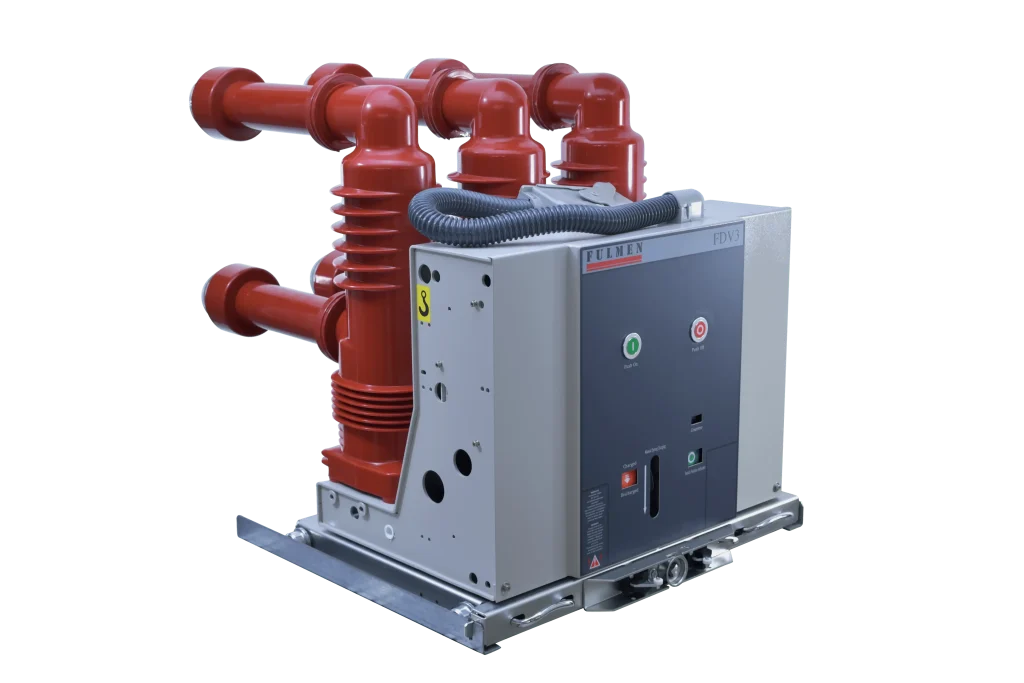
A vacuum circuit breaker is a critical component in modern electrical systems, designed to interrupt fault currents and prevent damage caused by electrical arcing. The vacuum circuit breaker operates by separating contacts inside a vacuum, which quickly extinguishes arcs and ensures system protection. Electrical arcing can cause significant equipment damage, fires, and safety hazards, making the vacuum circuit breaker an essential device for medium-voltage and high-voltage systems. By using a Vacuum circuit breaker, industries and utilities can effectively reduce arcing risks, improve system reliability, and enhance operational safety. The vacuum circuit breaker provides fast fault interruption, minimal maintenance requirements, and high dielectric strength, making it superior to oil, air, or SF6 circuit breakers. Modern vacuum circuit breakers integrate advanced safety mechanisms and monitoring systems to ensure optimal performance. The vacuum circuit breaker is widely adopted in industrial plants, commercial facilities, and power distribution networks due to its efficiency and reliability. Installing a vacuum circuit breaker reduces downtime, protects equipment, and safeguards personnel from arc flash hazards. The vacuum circuit breaker is designed to handle high fault currents, making it a preferred choice for medium-voltage and critical electrical systems.
Understanding Electrical Arcing and Its Risks
What is Electrical Arcing?
Electrical arcing occurs when a current jumps between two conductive surfaces, producing high temperatures and intense light. Arcing can happen during switch operations, short circuits, or equipment failure. Uncontrolled arcing can lead to insulation damage, fires, and severe safety hazards.
Impact of Arcing on Electrical Systems
Arcing can cause severe equipment damage, reduce operational lifespan, and increase maintenance costs. Without proper protection, arcing may also result in system downtime and power outages. A vacuum circuit breaker mitigates these risks by rapidly extinguishing arcs and maintaining electrical system stability.
How a Vacuum Circuit Breaker Reduces Arcing
Vacuum Interruption Mechanism
The primary feature of a vacuum circuit breaker is its vacuum interrupter. When contacts separate during a fault, the arc is formed in a vacuum. The vacuum circuit breaker provides an environment with extremely low pressure, which quickly de-ionizes the arc and prevents it from sustaining. This rapid arc extinction is a major reason the vacuum circuit breaker reduces arcing risks.
Fast Contact Separation
A vacuum circuit breaker is equipped with a spring-operated or motorized mechanism that ensures rapid contact separation. This fast operation minimizes the arc duration, reducing heat generation and preventing potential damage. The vacuum circuit breaker acts within milliseconds to safely interrupt the fault current.
High Dielectric Strength
The vacuum inside a vacuum circuit breaker provides high dielectric strength, preventing re-strikes after arc extinction. This ensures that the arc does not reignite and cause further system damage. By maintaining insulation integrity, the vacuum circuit breaker protects both equipment and personnel.
Arc Quenching Design
Modern vacuum circuit breakers are designed with optimized contact geometry to guide the arc within the interrupter and extinguish it efficiently. The vacuum circuit breaker uses this controlled arc path to prevent unintended arcing outside the device, enhancing operational safety.
Advantages of Using a Vacuum Circuit Breaker for Arcing Prevention
1. Safety for Personnel
A vacuum circuit breaker significantly reduces arc flash hazards, protecting operators from burns, electric shocks, and other injuries. Its rapid fault interruption ensures a safe working environment.
2. Equipment Protection
By extinguishing arcs quickly, the vacuum circuit breaker minimizes thermal and mechanical stress on transformers, motors, and switchgear. This prolongs equipment life and reduces repair costs.
3. Reduced Maintenance
The vacuum circuit breaker requires minimal maintenance due to its sealed interrupter and arc-quenching capabilities. Reduced arcing translates to fewer inspections, less wear on contacts, and lower maintenance expenses.
4. Operational Reliability
The vacuum circuit breaker ensures stable system operation by preventing prolonged arcs that can cause voltage dips, equipment damage, or outages. Its consistent performance maintains system continuity.
5. Environmental Benefits
Unlike oil or SF6 breakers, the vacuum circuit breaker operates without harmful gases or liquids. Its arcing prevention occurs in a clean vacuum environment, making it eco-friendly and safe for indoor installations.
Applications of Vacuum Circuit Breakers
The vacuum circuit breaker is suitable for multiple industries and applications due to its ability to reduce arcing risks:
- Industrial Plants: Protecting motors, generators, and distribution panels from electrical faults.
- Commercial Buildings: Ensuring reliable operation of elevators, HVAC systems, and electrical panels.
- Power Utilities: Maintaining safe and efficient medium-voltage networks.
- Renewable Energy Systems: Safeguarding solar and wind power installations from arcing hazards.
- Data Centers: Protecting sensitive equipment from power interruptions and arc-related damage.
Why Choose Us for Vacuum Circuit Breaker Solutions
At Aierway, we provide high-quality vacuum circuit breakers that offer superior protection against electrical arcing. Our products are engineered for reliability, efficiency, and long-term performance.
- Expert Design: Our vacuum circuit breakers are built with advanced arc-quenching technology.
- Quality Assurance: Each vacuum circuit breaker undergoes rigorous testing to ensure safety and reliability.
- Customization: We offer tailored vacuum circuit breakers for specific system requirements.
- Environmentally Friendly: Our vacuum circuit breakers operate without hazardous gases or oils.
- Technical Support: We provide comprehensive installation guidance, operational training, and maintenance support.
Conclusion
A vacuum circuit breaker is essential for reducing electrical arcing risks in modern electrical systems. Its vacuum interrupter, rapid contact separation, high dielectric strength, and optimized design ensure safe and reliable operation. By choosing a vacuum circuit breaker, industries and utilities can protect personnel, extend equipment life, reduce maintenance, and enhance overall system reliability. With Aierway’s expertise and high-quality vacuum circuit breakers, your electrical system can achieve maximum safety, efficiency, and operational longevity.
Frequently Asked Questions (FAQs)
1. How does a vacuum circuit breaker prevent electrical arcing?
The vacuum circuit breaker extinguishes arcs rapidly in a vacuum, preventing them from sustaining and causing damage.
2. Can a vacuum circuit breaker be used in medium-voltage systems?
Yes, the vacuum circuit breaker is ideal for medium-voltage networks and industrial applications.
3. What maintenance is required for a vacuum circuit breaker?
A vacuum circuit breaker requires minimal maintenance due to its sealed interrupter and efficient arc-quenching design.
4. Is a vacuum circuit breaker environmentally friendly?
Yes, the vacuum circuit breaker operates without oil or SF6 gas, making it safe and eco-friendly.
5. Why choose Aierway for vacuum circuit breakers?
Aierway provides high-quality vacuum circuit breakers with advanced arcing protection, customization, and complete technical support.
About the Author