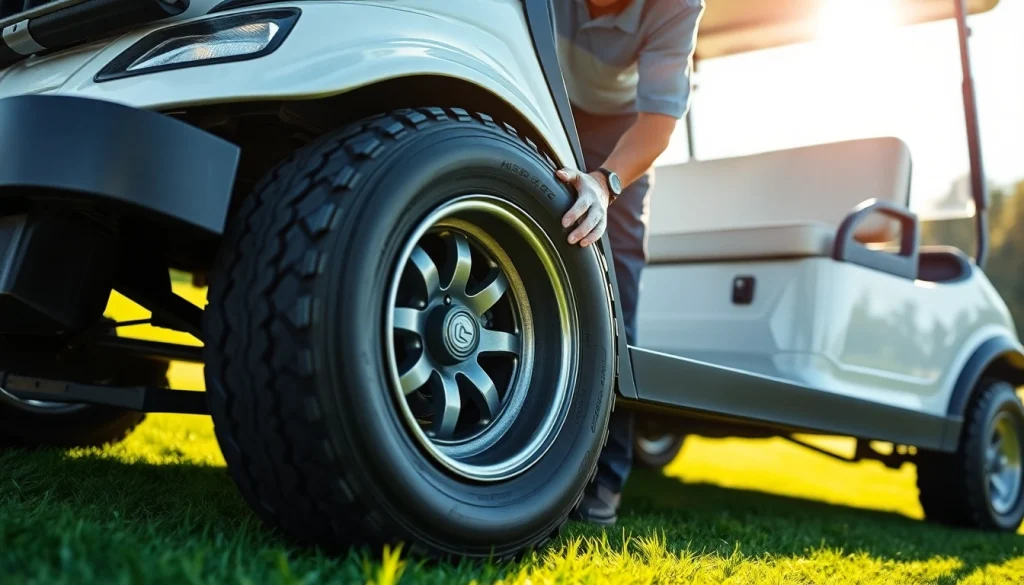
Understanding Golf Cart Tire Replacement
When it comes to optimizing the performance of your golf cart, the quality of your tires plays a critical role. Whether you’re traversing pristine golf courses or cruising around your community, understanding the importance of Golf cart tire replacement is essential for a smooth ride, maximum safety, and enhanced cart longevity. This article provides a comprehensive guide to help you navigate the world of golf cart tire replacement effectively.
Importance of Tire Quality
The quality of your golf cart tires directly influences performance, safety, and ride comfort. High-quality tires are designed to provide better traction, stability, and control, especially on various terrains. They also improve fuel efficiency, reducing the wear and tear on both the cart and the tires themselves. Investing in quality tires also translates to better durability, meaning you won’t have to replace them frequently, thus saving on long-term costs.
Common Signs of Tire Wear
Tire wear can affect your golf cart’s performance significantly. Here are some common signs that indicate your tires may need replacement:
- Tread Wear: If the tread pattern seems shallow or uneven, it can compromise grip and handling.
- Cracks and Bulges: Visible cracks or bulging areas on the tire surface can signal structural damage.
- Shake or Vibration: Unusual vibrations while driving can indicate uneven wear or internal damage.
- Age: Even if the tires appear fine, they should typically be replaced every 3-5 years, depending on usage.
Tire Selection Criteria
Choosing the right tire for your golf cart is crucial for safety and performance. Here are some important criteria to consider:
- Size: Ensure the tire size matches your golf cart’s specifications.
- Tread Type: Select a tread pattern that suits your driving environment, whether rough, wet, or smooth.
- Load Capacity: Consider how much weight your tires need to support, including passengers and cargo.
- Durability: Look for tires made from high-quality materials that offer resistance to wear and tear.
DIY vs. Professional Golf Cart Tire Replacement
When to Attempt DIY Replacement
Replacing golf cart tires can be a straightforward task for those with basic mechanical skills. If you have the right tools and are capable of following instructions accurately, a DIY replacement could save money. It is best suited for those with experience in tire changing, who are comfortable performing vehicle maintenance regularly.
Benefits of Hiring Professionals
While DIY replacement is feasible, there are several advantages to hiring professionals:
- Expertise: Professionals possess specialized knowledge and tools, ensuring the job is done correctly.
- Warranty: Many tire retailers offer warranties and guarantees on the work performed.
- Time Efficiency: Professionals can often complete the work much faster than an average DIY effort.
Tools Needed for DIY Replacement
Should you decide to replace your golf cart tires yourself, ensure you have the following tools on hand:
- Jack: A reliable jack to lift the cart safely.
- Jack Stands: For added safety alongside the jack.
- Wrench Set: Appropriate sized wrenches to unscrew the tire bolts.
- Tire Pressure Gauge: To check and maintain optimal tire pressure.
Step-by-Step Guide for Golf Cart Tire Replacement
Safety Precautions to Take
Before starting any tire replacement, prioritize safety by adhering to these precautionary measures:
- Ensure the golf cart is parked on a flat, stable surface.
- Engage the parking brake to prevent movement.
- Wear safety goggles to protect your eyes from debris.
Tools and Equipment Setup
Set up your tools and equipment in a convenient location nearby to streamline the process. Assemble your jack, jack stands, wrenches, and new tires, ensuring everything is easily accessible.
How to Properly Replace a Tire
Follow these steps for a successful tire replacement:
- Use the jack to lift the golf cart off the ground.
- Secure the golf cart with jack stands for safety.
- Unscrew the lug nuts using the wrench, and remove the old tire.
- Mount the new tire onto the wheel hub and tighten the lug nuts by hand.
- Lower the golf cart back to the ground and use the wrench to securely tighten the lug nuts in a star pattern.
Maintenance Tips for Extended Tire Life
Regular Inspection Guidelines
To prolong the lifespan of your tires, conduct regular inspections. Check for signs of wear, proper alignment, and sufficient tread depth at least once a month.
Optimal Tire Pressure Management
Maintaining the correct tire pressure is vital. Over-inflation or under-inflation can lead to premature wear and jeopardize safety. Refer to your golf cart’s manual for the recommended tire pressure and check it regularly.
Seasonal Care Practices
Seasonal changes can affect the performance of your golf cart tires. Consider the following care practices:
- Store tires indoors during winter months to prevent damage from cold and moisture.
- Inspect tires before and after seasonal usage.
- Rotate tires regularly to promote even wear.
Frequently Asked Questions about Golf Cart Tire Replacement
How often should tires be replaced?
Tires should typically be replaced every 3-5 years, though wear and usage can influence this timeline significantly.
What factors affect tire lifespan?
The lifespan of a tire can be affected by travel distance, terrain types, tire quality, and maintenance practices.
Can I mix different tire brands?
Mixing different tire brands is generally not recommended as it can lead to uneven wear and handling issues.
What is the best tire pressure for my golf cart?
The best tire pressure varies by model but typically ranges from 12-25 psi; check the manual for specific recommendations.
How do I choose the right tire for my needs?
Consider factors like weight capacity, terrain type, and tread pattern based on your typical usage conditions to make an informed choice.