
Understanding the Landscape of Sports Betting in Oklahoma: Current Status and Future Prospects
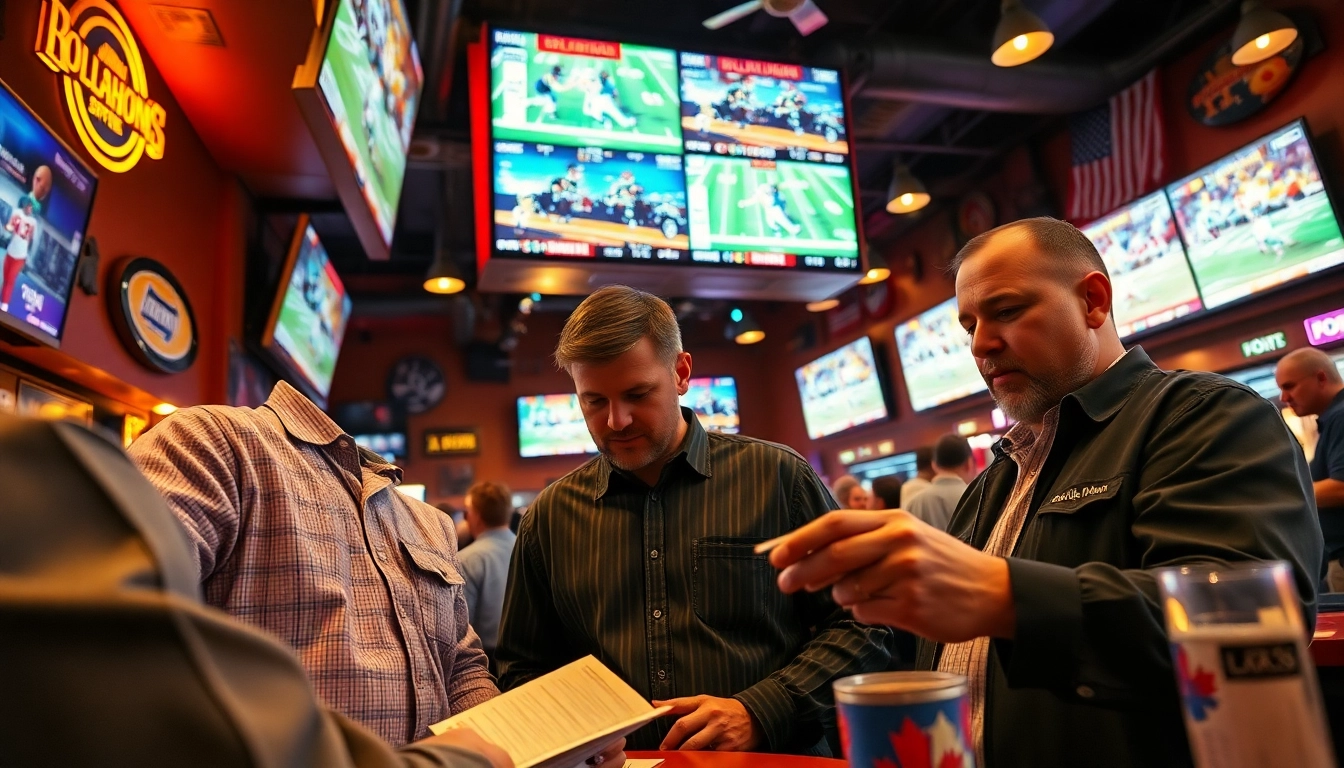
Current Legal Status of Sports Betting in Oklahoma
Overview of Existing Laws
As of now, Oklahoma is one of the few states in the United States where sports betting in Oklahoma remains illegal. While the state has a regulated lottery and offers various forms of gambling, including horse racing, casinos, and tribal gaming, sports betting is not included in this framework. The existing legal landscape limits betting options for enthusiasts, leading many to seek alternative, often illegal, methods to place their wagers.
Recent Legislative Efforts
Legislative efforts to legalize sports betting in Oklahoma have been ongoing, fueled by both public interest and significant revenue potential. However, these efforts have faced challenges, particularly the necessity for consensus among Oklahoma’s 38 tribes, many of which hold contrasting views on how such legislation should be structured. Over the past few years, multiple bills have been proposed, each attempting to align various stakeholders’ interests, but none have successfully passed into law yet.
Comparison with Surrounding States
To understand the implications of the current legal status, one must look at surrounding states that have embraced sports betting. States such as Arkansas, Kansas, and Missouri have moved forward with legalizing sports betting, each creating models that incorporate local economies and tribal entities. In contrast, Oklahoma’s lack of action means that it is losing significant tax revenue to these neighboring states, illustrating the pressing need for legislative reform.
Tribal Involvement in Sports Betting in Oklahoma
The Role of Tribal Governments
Tribal governments play a crucial role in the context of sports betting in Oklahoma. Under the Indian Gaming Regulatory Act, tribes have the authority to operate gaming facilities, which can significantly influence the push for legalized sports betting. Any proposed legislation must respect the rights and interests of tribal governments, as they operate many of the state’s gaming venues. Their involvement is not just critical; it is essential for a sustainable model that includes sports betting.
Challenges to Agreement Among Tribes
One of the most significant challenges for the legalization of sports betting is achieving agreement among the tribes. Each tribe has different priorities and concerns regarding how sports betting could impact their current revenue models and operations. While some may be in favor of expanding the betting scope, others fear it could undermine their existing gaming operations. This division complicates legislative efforts and may lead to prolonged negotiations.
Potential Benefits of Tribal Sports Betting
If realized, legalized sports betting could bring substantial benefits to Oklahoma’s tribal communities. These include enhanced revenue through taxes, improved economic opportunities, and the potential for increased tourism. When properly structured, sports betting can contribute to tribal funds that support community initiatives and improve infrastructure, thus benefiting local populations at large.
Challenges Facing Sports Betting Legislation in Oklahoma
Political and Social Opinions
Political opinions on sports betting in Oklahoma are deeply divided, reflecting a broader national conversation about gambling. Some lawmakers acknowledge the economic benefits of legalization, while others remain hesitant, citing concerns about addiction and moral implications. Public sentiment is also mixed; while many residents support the idea of legalized sports betting, others express caution over potential social costs.
Economic Implications of Delay
The ongoing legislative delay is costing Oklahoma valuable revenue—potentially millions of dollars annually. Many residents are opting to place bets through unauthorized offshore platforms, generating no significant economic benefits for the state. By legalizing sports betting, Oklahoma could tap into a lucrative market, fostering job creation and enhancing state-funded programs.
Impact of Illegal Betting Markets
The existence of illegal betting markets poses another significant hurdle. With ongoing prohibition, residents are unwittingly exposed to the risks associated with unregulated platforms. This not only jeopardizes the integrity of the betting process but also exposes bettors to fraud and other illegal activities. Legalizing sports betting would provide a platform for regulation, instilling consumer confidence and enhancing state oversight.
Prospective Changes and Future Legislative Trends
Upcoming Sessions and Proposals
As legislative sessions continue, new proposals are anticipated. Lawmakers are expected to reintroduce sports betting legislation, focusing on frameworks that consider both tribal interests and the state’s economic objectives. Keeping a close eye on public feedback and ongoing negotiations with tribal leaders will be crucial to crafting viable solutions and moving forward.
Public Sentiment and Engagement
Public engagement is essential for advancing sports betting legislation. Increased awareness and advocacy may prompt legislators to take action. Grassroots campaigns and community discussions can galvanize support, encouraging lawmakers to consider the economic benefits versus the regulatory challenges. Education plays a critical role in shaping informed opinions regarding sports betting.
Long-term Outlook for Sports Betting in Oklahoma
The long-term outlook for sports betting in Oklahoma hinges on continued dialogue among stakeholders. If tribes, legislators, and the public can reach a consensus, Oklahoma could see sports betting become a reality in the near future. This would mark a significant shift in the state’s gambling landscape, creating new economic opportunities and aligning Oklahoma with the growing trend of legalized sports betting across the country.
How to Engage in Sports Betting Safely
Identifying Reputable Offshore Options
While waiting for legal sports betting to become available, some enthusiasts may consider using offshore sportsbooks. It’s critical to conduct thorough research to identify reputable platforms. Look for sites that hold valid licenses, have positive reviews, and employ secure payment methods. Engaging with trusted forums can help in making informed choices regarding where to place bets.
Understanding the Risks of Betting Online
Engaging in online sports betting comes with inherent risks. Users may encounter fraudulent sites, poor customer service, or lack of regulatory protections. It’s important to acknowledge these risks and prioritize personal safety by using secure internet connections, avoiding sharing personal information, and establishing reasonable betting limits to help manage funds effectively.
Responsible Gambling Practices
Whether placing bets online or in-person, embracing responsible gambling practices is essential. Set strict budgets and adhere to them, avoid chasing losses, and recognize the signs of problem gambling. Engaging with resources that promote responsible betting can foster a healthier approach to gambling and ensure that it remains an enjoyable activity.
Frequently Asked Questions
Can you legally bet on sports in Oklahoma?
No, sports betting is currently illegal in Oklahoma, and residents have limited legal options for placing bets.
What are the penalties for illegal sports betting in Oklahoma?
Engaging in illegal sports betting can lead to fines, and potential misdemeanor charges, but specific penalties can vary based on the circumstances.
When might sports betting be legalized in Oklahoma?
While there are no definite timelines for legalization, ongoing legislative discussions could lead to changes in the near future.
Are there any online betting options available?
Currently, all online sports betting is illegal in Oklahoma, which restricts residents from using domestic sportsbook apps.
What are the benefits of legalized sports betting?
Legalized sports betting can generate tax revenue, create jobs, and provide consumers with safer betting environments compared to illegal markets.