
Ringconn vs Competing Health Wearables: A Full Comparison
Health tracking technology has evolved rapidly, offering users deeper insights into sleep, stress, and performance. But not all wearables deliver the same level of accuracy or comfort. In this comparison, Ringconn stands at the center as a leading wellness ring competing against big names like Oura, Fitbit, Garmin, and Apple Watch. If you’re searching for a device that combines precision, comfort, and long-term value, understanding how Ringconn stacks up is essential.
What Makes Ringconn Different?
Unlike wrist-based devices that rely on optical sensors farther from the arteries, Ringconn captures biometric data from the finger — the most accurate point for continuous monitoring. This gives Ringconn a major advantage in collecting reliable metrics like heart rate, HRV, sleep stages, and stress patterns. While other wearables offer broader ecosystems, Ringconn focuses on delivering detailed health intelligence without distractions.
Comfort and Design Comparison
Ringconn: Lightweight and Sleek
Ringconn is designed for all-day comfort. Its ring form allows seamless 24/7 wear without feeling bulky. Users appreciate that Ringconn blends into daily life and does not interrupt workouts, sleep, or daily routines.
Competing Devices
Wrist wearables like Apple Watch and Garmin offer more visible screens but can feel heavy during sleep or intense activity. Many users remove them at night due to discomfort — which leads to incomplete data. Fitness trackers like Fitbit are lighter, but still don’t match the unobtrusive fit of Ringconn.
Winner: Ringconn
Accuracy of Health Metrics
Sleep Monitoring
Ringconn excels in sleep tracking thanks to its precise finger sensors. It offers detailed sleep stage analysis, sleep score trends, and nightly recovery insights.
Competing wearables often struggle with movement-related inconsistencies, especially during deep sleep.
Heart Rate and HRV
HRV is a crucial indicator of stress and recovery. Ringconn measures HRV with strong consistency, while wrist devices frequently experience signal noise during movement. Apple Watch offers good HR accuracy, but HRV readings are periodic, not continuous.
Temperature and Recovery
Ringconn provides reliable temperature trend tracking, helping users detect early signs of stress, fatigue, or illness. Other devices offer temperature metrics, but often with less precision.
Winner: Ringconn
Stress and Recovery Insights
Ringconn’s Data-Driven Stress Analysis
Ringconn uses continuous HRV monitoring to provide accurate stress readings throughout the day. This helps users understand emotional load, physical strain, and daily recovery needs. Stress notifications from Ringconn are grounded in meaningful biometric shifts rather than simple activity patterns.
Competitors
Fitbit and Garmin offer stress scores, but many rely on movement and heart rate alone, making insights less reliable. Apple Watch provides mindfulness reminders but lacks deep recovery analytics.
Winner: Ringconn
Battery Life and Charging
Battery life is a major factor when choosing a wearable.
Ringconn
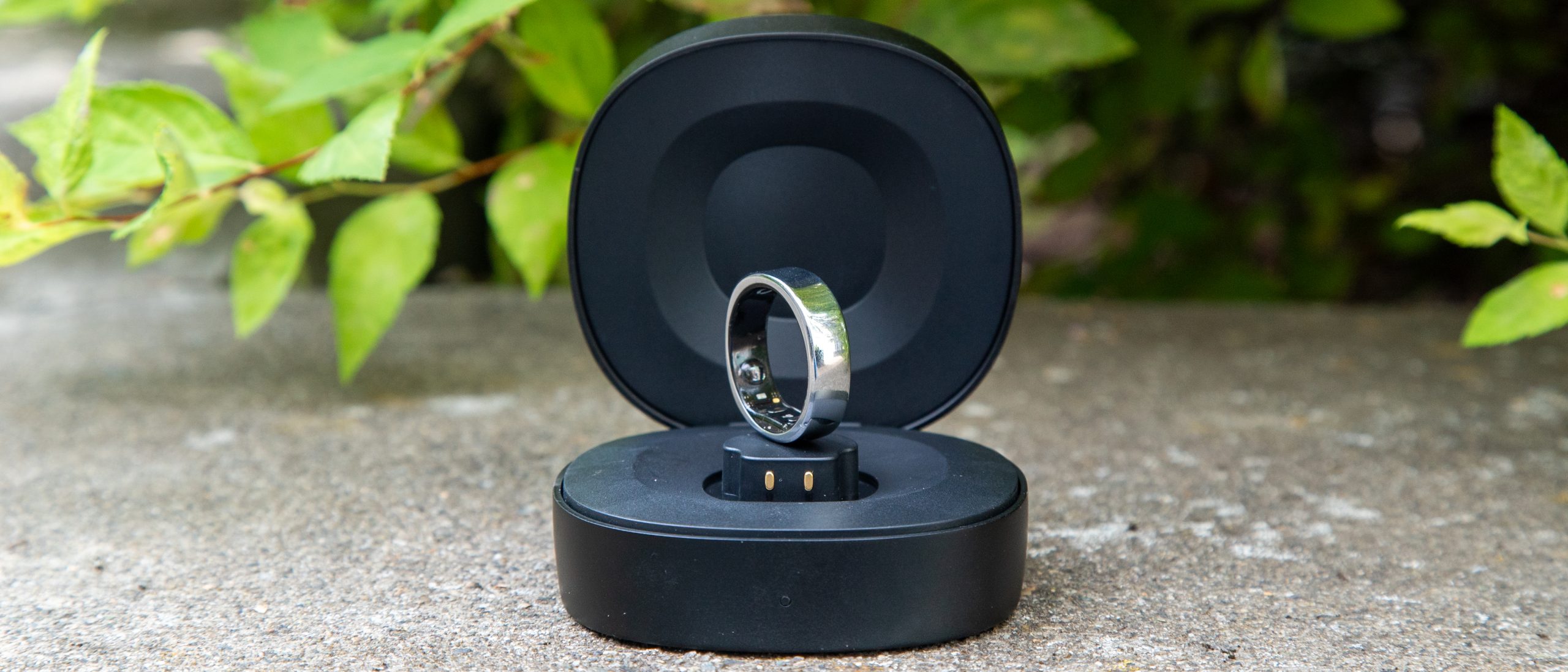
Ringconn offers multi-day battery life, allowing users to track health continuously with minimal interruptions. Its charging case provides extra convenience, ensuring the ring stays powered wherever you go.
Competing Wearables
Apple Watch requires daily charging. Fitbit lasts longer, but heavy use drains the battery. Garmin performs well in battery life but lacks the advanced recovery insights that Ringconn provides.
Winner: Ringconn
App Experience and Insights
Ringconn App
The Ringconn app focuses on clarity, simplicity, and actionable insights. It delivers deep analytics without complicating the user experience. Trend charts, readiness scores, and stress reports help users make decisions based on real physiology.
Competitors
Apple Watch provides a broad ecosystem but often requires third-party apps for advanced health data. Fitbit and Garmin have strong apps but may present too many metrics at once, which can overwhelm beginners.
Winner: Ringconn
Lifestyle Integration
Ringconn fits seamlessly into your daily routine. It’s waterproof, easy to wear everywhere, and does not demand constant checking. Its focus remains on health, recovery, and long-term wellness rather than notifications or entertainment.
Competitors like Apple Watch excel in notifications, fitness features, and integration with phones, but these functions may distract users from health-focused goals.
Winner for Health-Centered Use: Ringconn
Winner for Multi-Purpose Use: Apple Watch
Long-Term Wellness Focus
What truly sets Ringconn apart is its commitment to long-term health intelligence. Instead of overwhelming users with data, Ringconn provides meaningful insights that support sustainable lifestyle improvements. For individuals focused on recovery, stress management, sleep optimization, and preventive health, Ringconn delivers exceptional value.
Cost and Value Comparison
Compared to premium devices, Ringconn often delivers more advanced health insights at a competitive price. Many wearables require subscription fees to unlock full features — but Ringconn offers its analytics without extra monthly charges, making it a cost-effective choice.
Conclusion
Ringconn stands out as one of the most advanced and reliable wellness tools available today. From sleep accuracy and HRV tracking to stress monitoring and comfort, Ringconn consistently outperforms many competing wearables in the areas that matter most for health. If your goal is to understand your body better, improve recovery, and make data-driven lifestyle decisions, Ringconn provides the clarity and depth you need.