Introduction to Decorative Wood Panels
Decorative wood panels are a visually appealing way to enhance interior or exterior spaces. These panels offer an ideal blend of aesthetics and functionality, serving both decorative and structural purposes in homes, offices, and commercial spaces. Whether you are redesigning your living room or adding a feature wall in an office, decorative wood panels can elevate the overall ambience with their warmth and texture.
What are Decorative Wood Panels?
Decorative wood panels are design elements created from various types of wood, either natural or engineered. They are manufactured specifically for aesthetic enhancement, featuring diverse patterns, colors, textures, and finishes. These panels can be used in a variety of ways: as wall coverings, furniture cladding, partitions, or even ceilings, providing an elegant touch to any space.
Common Applications of Decorative Wood Panels
Decorative wood panels have a multitude of applications, making them an attractive choice for various environments:
- Residential Spaces: Used in living rooms, bedrooms, kitchens, and bathrooms as wall coverings, accent walls, or cabinetry.
- Commercial Interiors: Ideal for offices, hotels, and restaurants to create an inviting and stylish atmosphere.
- Outdoor Settings: Perfect for patios, decks, and outdoor kitchen areas, enhancing the overall visual appeal.
- Furniture Design: Utilized as tasteful finishes on shelving units, tables, and other furniture that require a natural touch.
Benefits of Using Decorative Wood Panels
Incorporating decorative wood panels into your design scheme offers numerous benefits:
- Aesthetic Appeal: Wood panels add character and warmth to any environment, enhancing visual interest.
- Durability: High-quality wood panels can withstand wear and tear, making them a long-lasting option.
- Insulation Properties: Wood offers natural insulation, helping to regulate temperature and acoustics within a space.
- Customization Options: Available in various styles, grains, and finishes, catering to diverse decor preferences.
- Eco-Friendliness: Many wood panels are sourced from sustainable materials and can be recycled.
Types of Decorative Wood Panels
Natural Wood Panels: Characteristics and Uses
Natural wood panels are crafted from solid pieces of wood, showcasing unique grains and textures. They are typically available in various species, such as oak, walnut, cherry, and maple.
Characteristics include:
- Authentic Look: Each panel features a unique pattern, ensuring no two pieces look the same.
- Variety of Finishes: Natural wood can be stained or left unfinished to maintain its organic nature.
- Versatility: Suitable for various applications, from modern to rustic decors.
Natural wood panels are widely used in residential settings, feature walls, and high-end commercial spaces, providing a warm aesthetic and touch of elegance.
Engineered Wood Panels: Pros and Cons
Engineered wood panels, also known as composite panels, are manufactured by binding together wood strands or fibers with adhesives. Common types include plywood and MDF (Medium Density Fiberboard).
Pros include:
- Cost-Effectiveness: Typically less expensive than solid wood while still offering great design potential.
- Stability: Engineered wood is less prone to warping and cracking compared to natural wood.
- Eco-Friendly Options: Often made from recycled materials, offering a sustainable choice.
However, there are a few cons to consider:
- Less Aesthetic Variation: Uniform designs may lack the individuality of natural wood.
- Limited Lifespan: While durable, they may not last as long as high-quality natural wood panels.
Finishes and Textures: Enhancing Decorative Wood Panels
The finish applied to decorative wood panels plays a significant role in determining their final appearance and durability. Several options help enhance their aesthetic charm:
- Stains: Enhance the wood’s color while allowing grain patterns to show through.
- Varnishes: Offer a glossy surface that protects wood from scratches and moisture.
- Paints: Allow for complete color customization, enabling matching to any decor scheme.
- Textures: Embossing or distressing techniques can add depth and uniqueness to panels.
Installation Techniques for Decorative Wood Panels
Surface Preparation: Steps and Tips
Proper surface preparation is crucial for achieving a smooth and long-lasting installation of decorative wood panels. Follow these steps:
- Clean the Surface: Remove dust, grease, and any old covering from the wall.
- Repair Imperfections: Fill holes or cracks with a suitable filler and sand smooth.
- Ensure Evenness: Use a level or straight edge to check for flaws in the wall surface.
- Prime if Necessary: If installing over a porous surface, consider applying a primer for better adhesion.
Tools Required for Installing Decorative Wood Panels
Having the right tools can make the installation process smoother and more efficient. Essential tools include:
- Measuring tape for accurate sizing
- Level to ensure even installation
- Utility knife for cutting panels to size
- Adhesive or nails for securing panels
- Caulk or trim for finishing edges
Methods: Glue vs. Nail vs. Clips
There are various methods for installing decorative wood panels, each with its own advantages:
- Glue: Ideal for a seamless look; use construction adhesive for a strong bond. Ensure adequate curing time is observed.
- Nails: Provide immediate support; use finishing nails or brad nails, ensuring to hide the heads for a polished finish.
- Clips: Allow for removal and reinstallation; best for panels that may need maintenance or replacement.
Maintenance of Decorative Wood Panels
Cleaning Techniques for Wood Panels
Maintaining decorative wood panels requires regular cleaning to preserve their original beauty. Follow these techniques:
- Dust Regularly: Use a microfiber cloth to remove dust buildup without scratching the surface.
- Wipe with Damp Cloth: For tougher stains, lightly dampen a cloth with warm water, using a gentle wood cleaner if necessary.
- Avoid Harsh Chemicals: Never use abrasive cleaners that may damage the wood finish.
Preventing Damage to Decorative Wood Panels
To keep decorative wood panels looking their best, consider the following preventive measures:
- Control Humidity: Maintain indoor humidity levels to prevent warping or cracking.
- Use Coasters: Protect surfaces from heat or moisture damage from cups or dishes.
- Avoid Direct Sunlight: Use curtains or blinds to limit sun exposure and fading.
Timing for Replacements and Upgrades
Regularly assess the condition of your decorative wood panels. Signs that replacements or upgrades may be necessary include:
- Visible wear and tear such as scratches or dents.
- Changes in color or finish due to fading or damage.
- Warping or separation from the wall, indicating structural issues.
Consider replacing sections rather than the whole panel to minimize costs and effort.
Creative Ideas Using Decorative Wood Panels
Living Room Transformations with Decorative Wood Panels
Among the most popular applications for decorative wood panels is transforming living rooms. Consider these ideas:
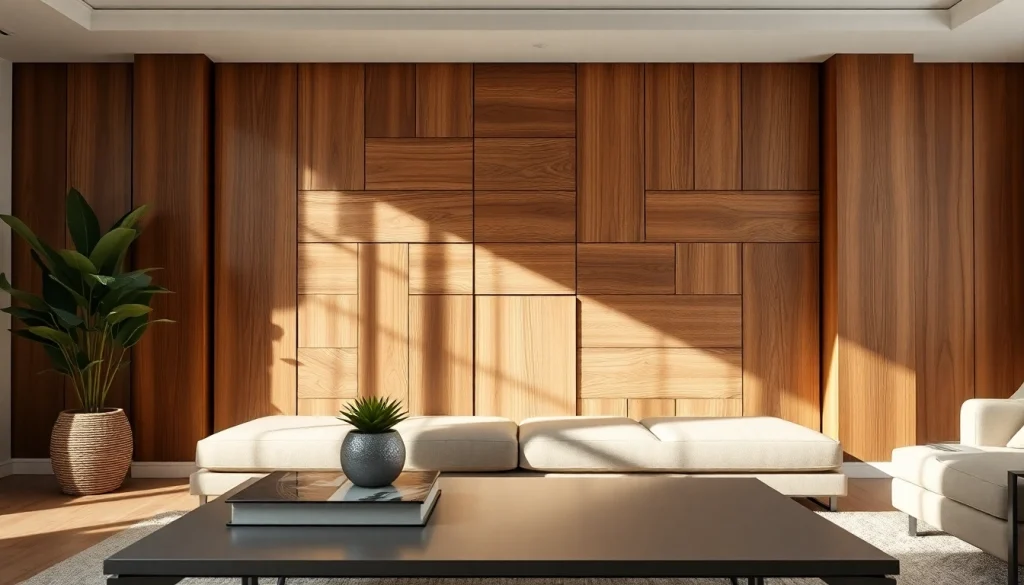
- Accent Walls: Create a stunning focal point behind a sofa or fireplace.
- Paneling Along Ceilings: A stunning way to add height and warmth to a room.
- Bookshelves and Storage: Incorporating wood panels into shelving units adds texture and cohesiveness.
Using Decorative Wood Panels in Office Spaces
Incorporating decorative wood panels into your office can create a more inviting workspace. Here are suggestions:
- Feature Walls: Use wood panels to inspire creativity in brainstorming areas.
- Soundproofing: Install panels to help absorb sound in busy open office layouts.
- Reception Areas: Create a warm welcome with an eye-catching wood panel design in reception areas.
Outdoor Applications: Decorate Your Patio with Wood Panels
Wood panels also lend themselves to outdoor transformations. Consider these applications:
- Privacy Screens: Use decorative panels to create secluded outdoor spaces.
- Garden Walls: Enhance landscapes by incorporating wood panels into garden designs.
- Outdoor Furniture: Use treated wood panels to fashion durable furniture, adding functional beauty.
Frequently Asked Questions
How do I choose the right decorative wood panels for my space?
Consider your decor style, color scheme, and usage. Balance your preferences with maintenance requirements and budget to select the best panels.
Can decorative wood panels be installed over existing walls?
Yes, they can be installed over existing walls as long as the surface is clean, stable, and provides good adhesion for optimal results.
What types of wood are best for decorative panels?
Hardwoods like oak and walnut provide durability and beauty, while softer woods such as pine offer affordability and versatility, depending on your design goals.
Are decorative wood panels easy to maintain?
Yes, maintenance involves regular dusting and occasional cleaning with gentle wood cleansers. Applying oil can help maintain their sheen and luster.
Can I paint over decorative wood panels?
Yes, painting is an option. Use appropriate primers and paints for proper adhesion and finish while ensuring you choose colors that complement your decor.