Understanding HEPA Filters: Essential Insights for Air Quality Improvement
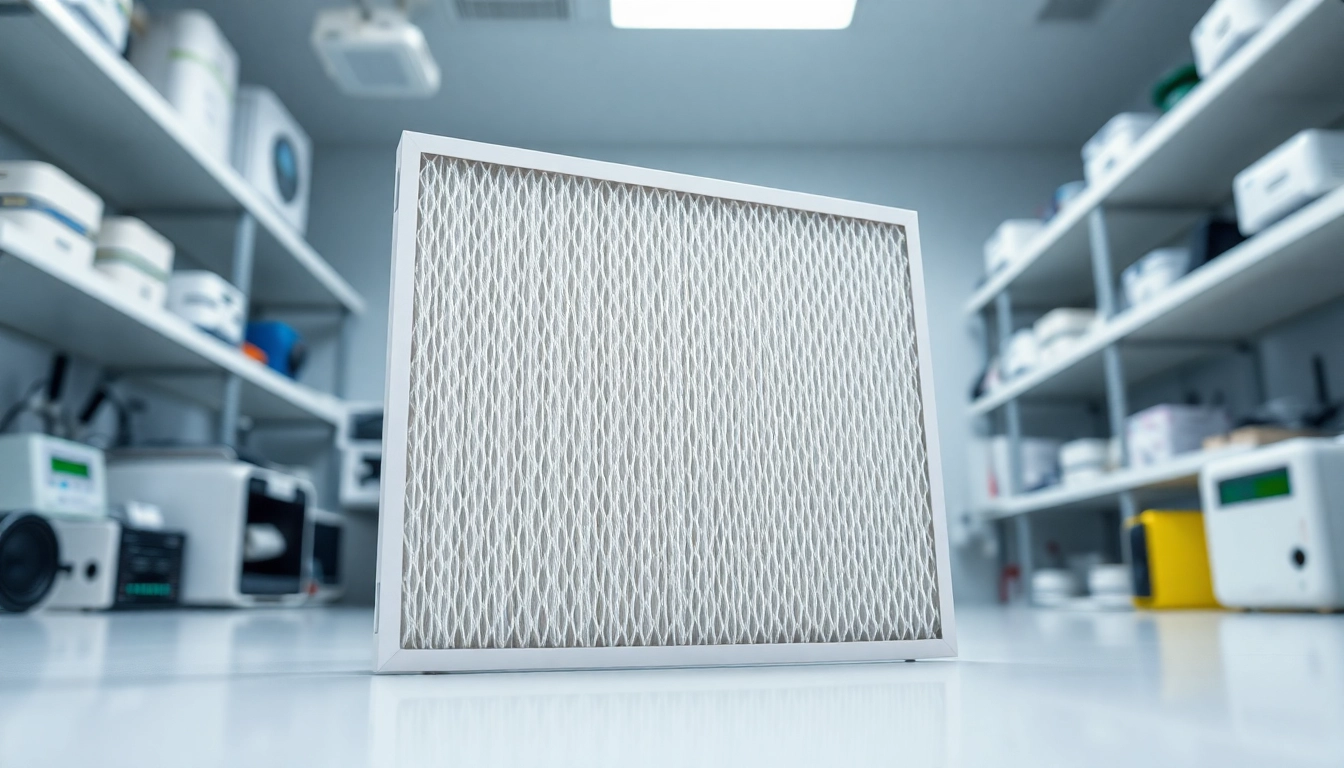
In our increasingly polluted world, ensuring clean air in our homes, offices, and public spaces is more crucial than ever. The importance of air filtration is recognized globally, particularly with the rise in respiratory issues and awareness about air quality. Among the various methods available for filtration, hepa filter technology stands out as a robust solution for trapping and removing pollutants from the air. This article explores the intricacies of HEPA filters, shedding light on their functionality, the science behind their operation, and their essential role in promoting healthier environments.
What are HEPA Filters?
Definition and Functionality
HEPA, which stands for High-Efficiency Particulate Air, refers to a type of air filter that must fulfill specific requirements of efficiency, particularly in trapping particles. To qualify as a HEPA filter, the device must have an efficiency of 99.97% for particles that are 0.3 micrometers in diameter. This particle size is significant as it is often referred to as the most penetrating particle size, meaning it is the hardest to filter. HEPA filters operate by using a dense mat of fibers that capture particles through a combination of mechanical filtration methods, including interception, impaction, and diffusion.
Types of HEPA Filters
There are several types of HEPA filters, constructed for diverse applications ranging from home air purifiers to hospital ventilation systems. The most common types include:
- True HEPA Filters: These filters remove at least 99.97% of microscopic particles, as defined earlier. They are widely utilized in residential air purifiers.
- HEPA-Type Filters: Often found in less expensive air purifiers, these filters may not meet the stringent standards of True HEPA filters.
- Medical HEPA Filters: Designed for use in healthcare settings, these filters ensure that the air is virtually free of pathogens and contaminants.
- Ultra Low Penetration Air (ULPA) Filters: These filters capture 99.999% of particles, making them suitable for cleanrooms and laboratories.
Applications of HEPA Filters
From residential settings to specialized industries, HEPA filters find applications in numerous fields, including:
- Home Air Purifiers: Residential air purifiers frequently employ HEPA filters to remove allergens and improve indoor air quality.
- Hospitals: In healthcare, HEPA filters are crucial for preventing airborne infections.
- Laboratories: Cleanrooms benefit from HEPA filtration to maintain sterile conditions for experiments and production.
- Industrial Processes: Industries with sensitive processes often use HEPA filters to safeguard equipment and enhance worker safety.
The Science Behind HEPA Filters
How HEPA Technology Works
HEPA technology works on the principle of trapping particles through a sophisticated mesh of fibers made from materials such as glass fiber. These fibers are deeply woven and positioned in a way that creates one of two airflows: inertial impaction, where larger particles collide with fibers and are captured, and diffusion, where smaller particles are slowed down due to their random movement, allowing them to be caught by the fibers. The combination of these mechanisms ensures that varying sizes of particles are effectively filtered out from the air.
Importance of Filtration Efficiency
Filtration efficiency is paramount when discussing air quality. A filter’s ability to remove particulates directly affects the health and well-being of individuals. HEPA filters, due to their high efficiency, significantly reduce the concentration of allergens like pollen, dust mites, and pet dander. In environments such as hospitals, the efficiency of HEPA filters is not just a luxury but a necessity for infection control, essentially lowering the risk of airborne disease transmission.
Common Misconceptions
Despite their widespread use, several misconceptions regarding HEPA filters persist:
- HEPA Filters Eliminate All Contaminants: While HEPA filters are excellent at capturing particulates, they do not capture gases and odors. Additional filters, such as activated carbon, are often needed to deal with these contaminants.
- All HEPA Filters Are the Same: Not all HEPA filters possess the same filtration efficiency. True HEPA filters differ from HEPA-type filters in terms of their effectiveness.
- HEPA Filters Require Replacement Only When They Are Dirty: Regular maintenance is necessary, as a clogged filter can lead to reduced airflow and decreased efficiency.
Choosing the Right HEPA Filter
Considerations for Selection
Selecting the right HEPA filter involves understanding the specific needs of the environment it will serve. Vital considerations include:
- Room Size: The size of the space being filtered determines the capacity and type of HEPA filter required.
- Particle Types: Understanding the types of pollutants present can guide the selection process—whether allergens, smoke, or biological contaminants.
- Filter Status Indicator: Some filters come with built-in indicators to show when replacements are needed, enhancing convenience and efficiency.
Comparative Analysis of Brands
The market offers various brands of air purifiers featuring HEPA filters, each with unique strengths and weaknesses. Brands such as Dyson, Honeywell, and Coway are known for their reliability and performance. Aspects to compare include:
- Filtration Technology: Brands may employ different HEPA technologies; consider those that do not just incorporate a HEPA filter but also complement it with other filtration methods.
- Cost of Replacement Filters: Ongoing costs can add up. Look for brands that offer affordable and easily replaceable filters.
- User Feedback: Customer reviews can highlight real-life performance and satisfaction with the product.
Cost vs. Efficiency
When evaluating HEPA filters, a balance between cost and efficiency must be struck. While higher-efficiency HEPA filters may come at a premium, the long-term health benefits can offset initial investment costs. Consideration should also be given to the operational efficiency of the entire system, including energy use and replacement frequency.
Installing and Maintaining HEPA Filters
Installation Best Practices
Proper installation of HEPA filters is crucial to optimizing performance. Best practices include:
- Location: Place air purifiers in locations where they can circulate air effectively, avoid corner placements that can restrict airflow.
- Sealing: Ensure that the filter is installed correctly and sealed to prevent bypass air from flowing through unfiltered.
- Airflow Direction: Familiarize yourself with the airflow design of your air purifier and ensure the filter is installed in the correct orientation.
Regular Maintenance Tips
To ensure HEPA filters remain effective, regular maintenance is essential. Key tasks include:
- Regularly Checking Filters: Inspect filters every month to ascertain their condition.
- Cleaning Surrounding Areas: Dust and allergens accumulate around units, so keep areas clean to reduce contamination.
- Following Manufacturer Guidelines: Adhere to the specified replacement schedule to ensure optimal performance.
Signs of Replacement Needed
Understanding when to replace HEPA filters can significantly impact an air purifier’s effectiveness. Key indicators include:
- Increased Energy Use: A spike in energy bills might suggest that the filter is hindering airflow.
- Odor or Dust Accumulation: A musty smell or visible dust settling around the unit may indicate that the filter is no longer functioning effectively.
- Valid Replacement Notifications: If your device includes a filter status light or alert, ensure you heed these notifications.
The Future of Air Filtration Technologies
Trends in HEPA Filter Development
The field of air filtration is evolving rapidly, with trends indicating a future focused on enhanced performance, sustainability, and integration with technology. Emerging trends include:
- Advanced Materials: Research into new filtering materials promises improved efficiency and reduced costs.
- Integration of UV-C Light: Some air purification systems now include UV-C light for added microbial control.
- Sensors and Automation: Developing smart HEPA filters that automatically adjust their filtration levels based on detected air quality metrics is becoming commonplace.
Integration with Smart Home Devices
As homes become increasingly smart, integration of HEPA filters with smart home technology is on the rise. Modern air purifiers can now connect to home networks, providing real-time feedback on air quality and filter status, allowing for enhanced user control and efficiency.
Environmental Impact and Sustainability
Environmental sustainability is gaining attention in filter design and usage. Manufacturers are exploring recyclable materials for filter construction, along with environmentally friendly disposal methods to mitigate the impact of used filters on landfills. As consumers become more environmentally conscious, the demand for sustainable products will likely shape the future of HEPA filter technology.