
Maximizing Efficiency in Land Irrigation: Techniques and Best Practices
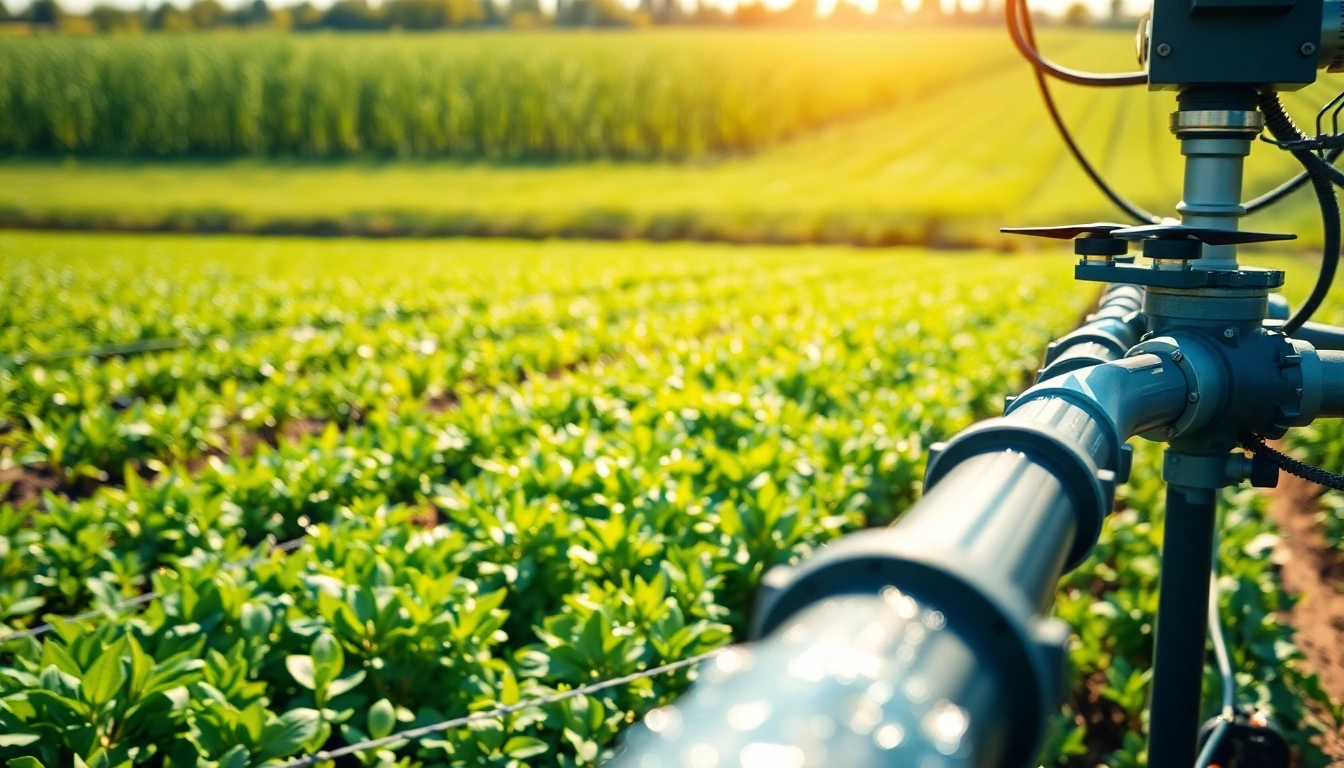
Understanding Land Irrigation Fundamentals
What is Land Irrigation?
Land irrigation is the method of supplying water to crops, plants, and soil to enhance agricultural productivity. By regulating the amount of water delivered, farmers can optimize growth conditions, manage soil nutrients, and ensure efficient use of resources. This practice plays a crucial role in meeting the increasing food demand driven by a growing global population. Effective land irrigation strategies are vital for sustainable agriculture and creating resilience against environmental challenges.
Importance of Efficient Land Irrigation
Efficient land irrigation is crucial for several reasons:
- Maximizing Crop Yield: Proper irrigation ensures crops receive the right amount of water, which leads to increased yield and quality.
- Resource Conservation: An efficient system conserves water and minimizes waste, which is vital in areas facing water scarcity.
- Soil Health Preservation: Controlled irrigation helps maintain soil structure and fertility, reducing the risks of erosion and nutrient leaching.
- Climate Resilience: Efficient practices can help mitigate the effects of variable weather patterns, supporting crop survival during droughts or heavy rains.
Types of Land Irrigation Systems
Various land irrigation systems cater to different agricultural needs, including:
- Drip Irrigation: A highly efficient method where water drips directly to the plant’s root zone, minimizing evaporation and runoff.
- Sprinkler Irrigation: Water is sprayed over crops in a manner similar to natural rainfall, suitable for various crops and terrains.
- Surface Irrigation: Gravity-driven water flows over the soil surface and infiltrates, best suited for flat terrains and certain crop types.
- Subsurface Irrigation: Water is delivered below the surface, enhancing water efficiency and reducing evaporation losses.
Challenges Faced in Land Irrigation
Water Scarcity and Management
Water scarcity is one of the most significant challenges in irrigation. Regions with limited water supply face difficulties maintaining consistent irrigation practices. Effective water management strategies, such as rainwater harvesting and the capture of surface runoff, are crucial to mitigate this challenge. Farmers can implement scheduling based on weather forecasts to optimize water usage.
Soil Erosion and Its Impact
Soil erosion can dramatically decrease land productivity and fertility. Irrigation practices can sometimes exacerbate these issues if not managed properly. Techniques such as contour farming, planting cover crops, and installing terraces can help protect the soil and reduce erosion.
Climatic Variability Effects
Climatic variability, including extreme weather events, poses a challenge in irrigation. Farmers must adapt their irrigation strategies to respond to changing precipitation patterns and temperatures. Incorporating technology that monitors weather conditions can guide adaptive management strategies.
Best Practices for Effective Land Irrigation
Choosing the Right Irrigation System
Selecting the appropriate irrigation system involves assessing factors like soil type, crop characteristics, and local climate. Conducting soil tests and observing local water availability are integral in making informed decisions that lead to successful irrigation practices.
Water Conservation Techniques
Implementing water conservation techniques, such as mulching, can significantly reduce evaporation loss and improve soil moisture retention. Encouraging the use of drought-resistant crop varieties also supports water conservation efforts and minimizes reliance on irrigation.
Seasonal Adjustments for Optimal Performance
Seasonal changes significantly impact irrigation needs. Regular assessments of weather forecasts allow for adjustments in irrigation scheduling. During the growing season, prioritizing deep watering can encourage strong root development, making crops more resilient to drought.
Innovative Technologies in Land Irrigation
Automation and Smart Irrigation
Automation in irrigation has transformed practices, allowing for precise water application based on real-time data. Smart systems can adjust irrigation schedules automatically, reducing labor costs and increasing efficiency. These technologies contribute to sustainable farming practices by ensuring water is applied only when necessary.
Drone Technology for Agriculture
Drones are becoming increasingly popular in monitoring irrigation systems and assessing crop health. By providing aerial imagery and data analytics, drones enable farmers to identify problem areas quickly. They can also help optimize irrigation resources by pinpointing where water is most needed.
Data Analytics in Irrigation Management
Data analytics plays a vital role in effective irrigation management. Leveraging big data allows farmers to enhance decision-making processes, optimize water usage, and predict crop yields. Combining sensors with data analysis can lead to more precise irrigation techniques and improved crop health.
Future Trends in Land Irrigation
Impact of Climate Change on Irrigation
Climate change is expected to intensify droughts and alter precipitation patterns, making it essential for farmers to adapt their irrigation practices. Incorporating resilience strategies, such as diversifying crops and enhancing water storage capabilities, will be crucial for future farming.
Sustainable Practices for Long-Term Success
Sustainability in irrigation can be achieved through practices like rainwater harvesting, recycling wastewater, and implementing regenerative agriculture principles. These approaches will not only support long-term agricultural productivity but also contribute to ecosystem health.
The Role of Policy in Irrigation Development
Government policies play a crucial role in supporting irrigation development. Implementing regulations that promote efficient water usage, provide funding for advanced irrigation technologies, and ensure equitable water distribution can strengthen agricultural resilience against climate change impacts.
Frequently Asked Questions
What is the most efficient type of land irrigation?
Drip irrigation is often considered the most efficient, delivering water directly to the plant roots while minimizing evaporation and runoff.
How can farmers conserve water during irrigation?
Farmers can conserve water by using mulches, selecting drought-resistant crops, and implementing smart irrigation technologies that optimize water use.
What impacts soil erosion during irrigation?
Poorly managed irrigation can lead to soil erosion. Implementing practices like contour farming and cover crops can help mitigate these effects.
How does climate change affect irrigation?
Climate change may alter precipitation patterns, increasing drought frequency, and necessitating adjustments in irrigation practices to maintain crop health.
Why is data analytics important in irrigation?
Data analytics allows farmers to optimize irrigation by analyzing soil moisture, weather patterns, and crop needs, leading to better resource management.