
Effective Red Light Therapy Belt: 3 Proven Benefits for 2026
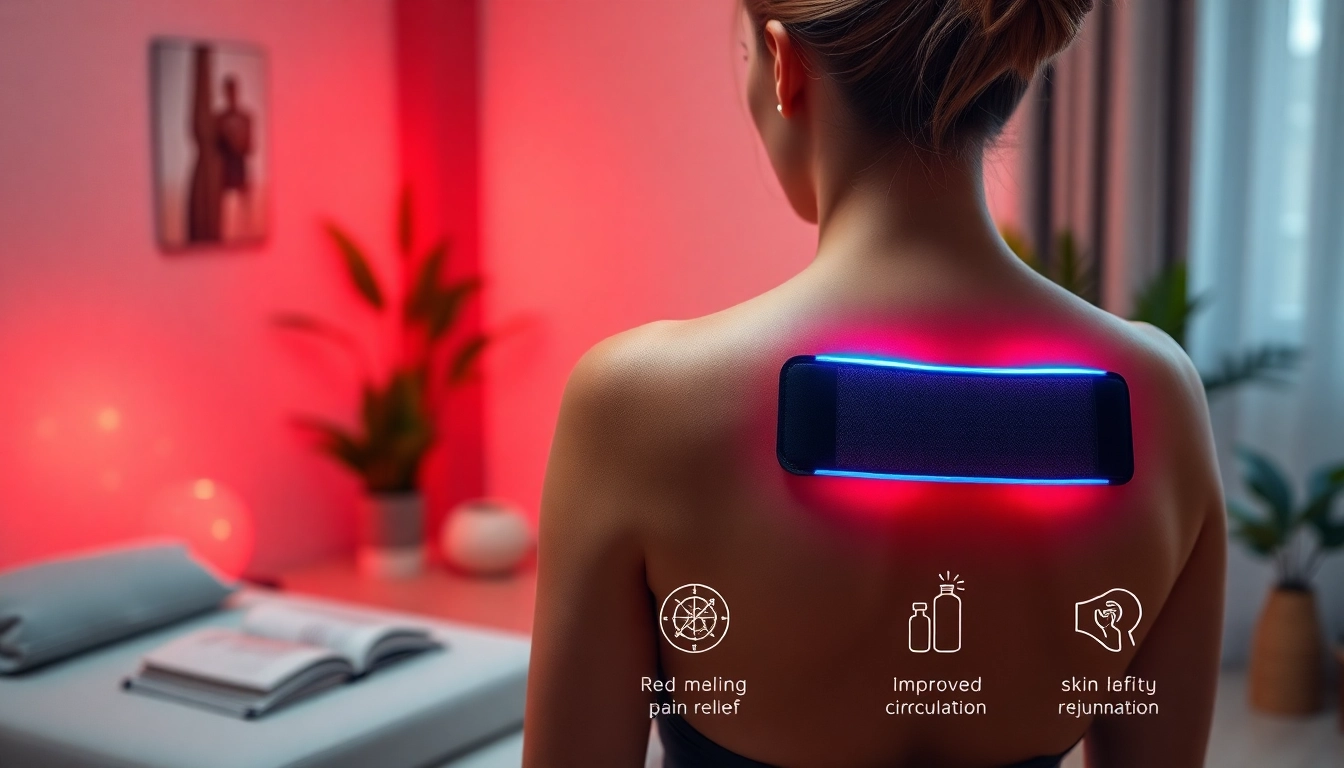
What is a Red Light Therapy Belt?
Red light therapy has gained significant attention in recent years for its potential health benefits, and one of the most convenient ways to experience this therapy is through the use of a red light therapy belt. Unlike traditional red light therapy methods that might require cumbersome setups or professional treatments, these belts are designed to be easy to wear, enabling individuals to receive treatment while engaging in daily activities. This innovative device emits low-level laser therapy (LLLT) or LED therapy in the form of red and near-infrared light, which penetrates the skin to target specific areas of the body.
Understanding Red Light Therapy
Red light therapy operates on the principle of photobiomodulation, where specific wavelengths of light—typically ranging from 600 to 900 nanometers—are absorbed by cells. This light stimulates cellular processes, potentially leading to a variety of therapeutic effects. The interaction with light promotes the production of ATP (adenosine triphosphate), the energy currency in our cells, which can enhance cell function and repair.
How Red Light Therapy Belts Work
Red light therapy belts work by delivering targeted wavelengths of light to the tissues through LED or laser diodes integrated into the belt. When the light reaches the skin and underlying tissues, it can trigger a healing response. The benefits can include reduced inflammation, enhanced blood circulation, and improved skin health. The adjustable nature of these belts allows users to customize their experience based on the area being treated and the intensity of the therapy.
Different Types of Red Light Therapy Devices
While red light therapy belts are a popular choice due to their convenience, other devices are also available in the market. These include handheld devices, light panels, and full-body beds. Each type of device has its advantages; for example, while handheld devices are great for targeted treatment, belts are specifically designed for ease of use and mobility.
Top 3 Benefits of Using a Red Light Therapy Belt
Chronic Pain Management and Inflammation Reduction
One of the most significant advantages of using a red light therapy belt is its potential for chronic pain management. The penetrating light can help alleviate discomfort from conditions like arthritis, lower back pain, and muscle stiffness. Research has shown that red light therapy can reduce inflammation by promoting the release of anti-inflammatory cytokines, leading to pain relief and improved mobility.
Enhancing Blood Circulation and Muscle Recovery
Improved circulation is another critical benefit associated with red light therapy belts. The therapy stimulates blood flow, which can enhance the delivery of oxygen and nutrients to tissues. This increase in circulation is beneficial for athletes and physically active individuals, helping to accelerate muscle recovery after workouts and reduce soreness.
Skin Rejuvenation and Cellular Regeneration
Beyond pain relief and circulation improvements, red light therapy is known for its skin rejuvenating properties. The light stimulates collagen production, which is essential for maintaining skin elasticity and reducing signs of aging. Regular use of a red light therapy belt can improve skin tone, reduce wrinkles, and promote healing of acne scars and other blemishes.
How to Choose the Best Red Light Therapy Belt
Understanding Your Goals Before Purchase
Before investing in a red light therapy belt, it’s crucial to define your specific goals. Are you seeking relief from chronic pain, looking to improve your skin health, or perhaps trying to enhance recovery post-exercise? Knowing your primary objectives can significantly narrow down your options and help you select a device tailored to your needs.
Evaluating Wavelength and Power Output
The effectiveness of a red light therapy belt is largely determined by its wavelength and power output. Look for belts that offer wavelengths between 600 to 900 nanometers, as these are optimal for penetration and therapeutic benefits. Additionally, consider the power output, expressed in milliwatts per square centimeter (mW/cm²), since a higher output may yield quicker results.
Considering Belt Size and Treatment Area
When selecting a red light therapy belt, ensure that the size is appropriate for the treatment area. A larger belt may be beneficial for back pain, while a smaller, more focused belt may be ideal for targeted therapy in smaller areas such as the neck or shoulders. Customizing the belt size to your needs will enhance the treatment’s effectiveness.
How to Use a Red Light Therapy Belt Effectively
Recommended Usage Guidelines
To reap the full benefits of a red light therapy belt, follow the manufacturer’s guidelines regarding usage duration and frequency. Generally, sessions lasting 20-30 minutes, 3–5 times a week are recommended for optimal results. Consistency is vital for achieving the desired therapeutic effects.
Integrating Therapy into Your Routine
Incorporating red light therapy into your daily routine can enhance your overall wellness. Consider using the belt while reading, watching TV, or even during your workday. This multitasking aspect makes it easier to adhere to a regular treatment schedule.
Monitoring and Adjusting Treatment Frequency
As you start using the therapy belt, monitor your body’s response to the treatments. You may begin with fewer sessions per week and increase the frequency as needed. It’s essential to listen to your body and make adjustments based on how you feel.
Is the Red Light Therapy Belt Safe for Everyone?
Pregnancy and Red Light Therapy
When it comes to the safety of using a red light therapy belt during pregnancy, current research indicates that the therapy is safe for both the mother and the unborn child. However, it is always advisable to consult a healthcare provider before beginning any new treatment, especially during pregnancy, to ensure personal health considerations are taken into account.
Consulting with Healthcare Professionals
Before starting any new treatment regimen, including using a red light therapy belt, consulting with a healthcare professional is crucial. They can help determine whether this type of therapy is appropriate for your specific health conditions and offer tailored advice.
Addressing Common Safety Concerns
While red light therapy is generally regarded as safe, some individuals may experience mild side effects like temporary redness or irritation of the skin. It’s important to follow usage guidelines and discontinue use if any discomfort persists. Additionally, by selecting belts from reputable manufacturers, you ensure that you’re using a device that meets safety standards.