
Choosing the Right Fly Fishing Boots for Comfort and Performance
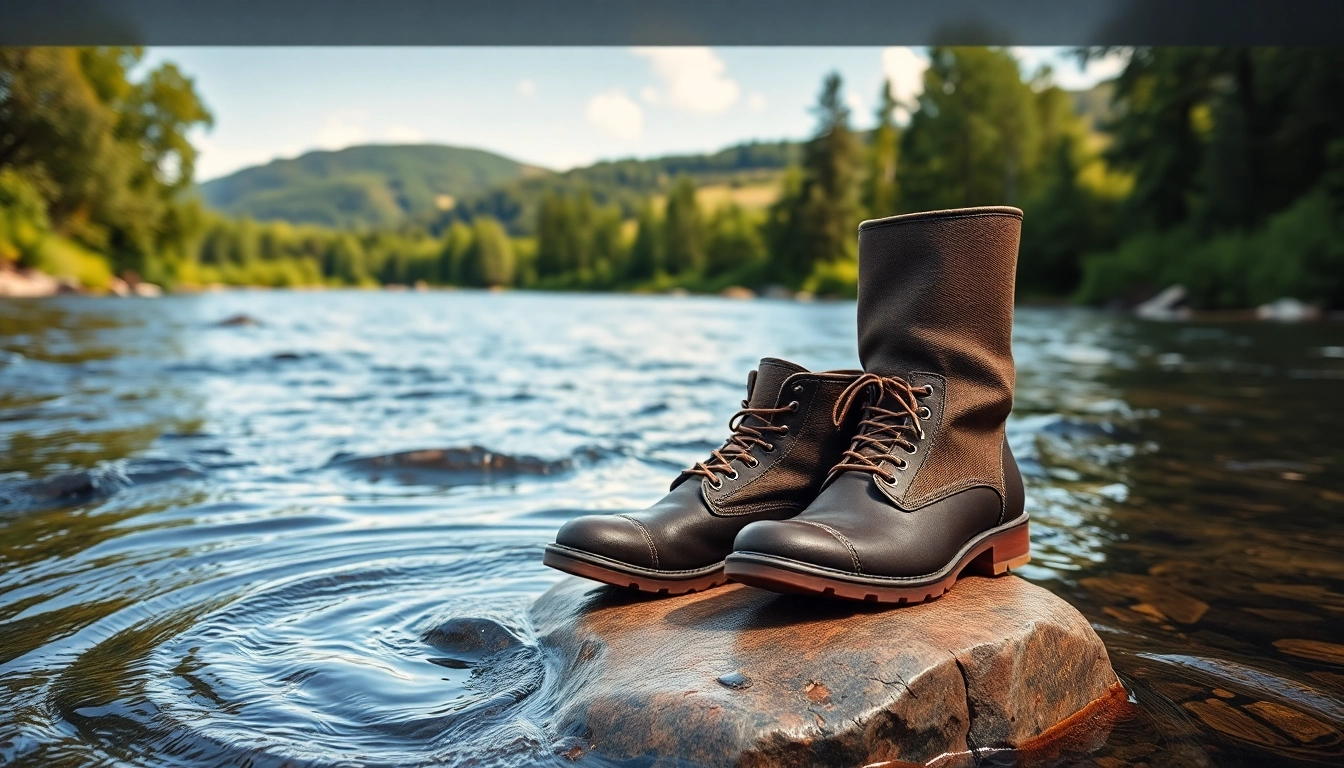
Understanding Fly Fishing Boots
When it comes to fly fishing, having the right gear is essential for a successful and enjoyable experience. One of the most critical components of this gear is the fly fishing boots. These specialized boots not only protect your feet from water and rough terrain but also provide the needed support and traction for navigating slippery surfaces. In this comprehensive guide, we delve into the various aspects of fly fishing boots, exploring their types, materials, and key features.
Types of Fly Fishing Boots Available
Fly fishing boots come in several types, primarily classified by their sole material and intended use. Understanding these variations can help anglers select the best option to suit their fishing adventures:
- Wading Boots: Designed for use in rivers and streams, these boots typically extend above the ankle for extra support and protection.
- Hip Boots: These lightweight alternatives provide coverage up to the hip for shallow waters, offering ease of movement during fishing.
- Thigh Boots: Ideal for deeper waters, thigh boots provide full protection and are often used in larger rivers and lakes.
- Sandals: For warmer conditions, sandals with a secure fit can be beneficial for fishing in shallow flats or warmer water.
Materials Used in Fly Fishing Boots
The materials used in the construction of fly fishing boots significantly affect their performance, durability, and comfort. Common materials include:
- Neoprene: Offers excellent insulation and waterproofing, commonly found in hip and thigh boots.
- Rubber: Durable and puncture-resistant, rubber is typically used for soles and can effectively repel water.
- Synthetic Mesh: Lightweight and breathable, this material is often used in wading boots to enhance comfort and drainage.
- Leather: While heavier, leather provides robust protection and durability, making it a favored choice for dedicated anglers.
Key Features to Look for in Fly Fishing Boots
When choosing the right pair of fly fishing boots, certain features enhance performance and comfort. Look for:
- Ankle Support: Essential for stability, especially in rocky or uneven terrain, properly designed boots offer excellent ankle protection.
- Drainage Systems: Good boots should allow excess water to escape, preventing waterlogging and enhancing drying time.
- Traction: Non-slip soles are vital for safety, with many boots featuring lug patterns or studs for enhanced grip.
- Weight: Lightweight designs can reduce fatigue, especially during long fishing sessions, while still providing solid protection.
- Adjustability: Boots with adjustable fit systems can accommodate various foot shapes and sizes to provide better comfort.
Choosing the Right Sole Type for Your Needs
The sole of fly fishing boots is perhaps the most crucial factor in ensuring a safe fishing experience. There are two primary types of soles available:
Felt vs. Rubber Soles: Which is Better?
Fly fishing boots typically come with felt or rubber soles, each offering unique benefits:
- Felt Soles: Known for their superior grip on slippery, wet rocks, these soles are ideal for freshwater environments. However, they require more maintenance and may not be allowed in certain regions due to environmental concerns.
- Rubber Soles: These soles provide versatility and durability across various terrains, making them suitable for both freshwater and saltwater fishing. They also dry faster and are less prone to harboring invasive species.
Importance of Traction and Grip
Regardless of the sole type, traction is vital for ensuring stability while wading. A well-designed sole will not only provide grip on wet surfaces but will also enhance overall safety by reducing the risk of slipping and falling into the water. Many modern boots now come with customizable features such as studded soles for additional grip, particularly in challenging conditions.
Customization Options in Sole Designs
Some advanced models allow customization of the sole to suit various environments. These interchangeable systems enable anglers to switch between rubber and felt or adjust the studs based on their specific fishing location, providing enhanced adaptability.
Ensuring Comfort and Fit
Ensuring a good fit is essential for comfort and performance, particularly when spending long hours fishing.
The Importance of Ankle Support
A good pair of fly fishing boots should provide adequate ankle support to prevent injuries and fatigue. High-cut styles extend above the ankle, offering extra stability when navigating challenging terrains.
Choosing the Right Size for Fly Fishing Boots
When purchasing fly fishing boots, it’s crucial to choose the right size. A snug fit should not be excessively tight, allowing for some wiggle room while providing adequate support. It’s advisable to try them on with the socks you plan to wear while fishing to ensure the best fit.
Adjustability Features for Enhanced Fit
Look for boots with adjustable features, such as laces or straps, that can provide a more customized fit. This adaptability is essential for accommodating different foot shapes and personal comfort preferences.
Care and Maintenance of Fly Fishing Boots
Proper care and maintenance of fly fishing boots can significantly extend their lifespan. Consider the following practices:
Cleaning Techniques to Prolong Lifespan
After each fishing trip, rinse your boots thoroughly to remove dirt, sand, and algae. Use a soft brush for stubborn spots and allow them to air dry away from direct sunlight to prevent materials from degrading. Regular cleaning also helps prevent the build-up of harmful organisms.
Drying and Storage Practices
Always allow your boots to dry thoroughly after use to prevent mold and mildew from forming. Store them in a cool, dry place with good ventilation to maintain their shape and integrity.
Repairing Minor Damage on Fly Fishing Boots
Inspect your boots regularly for signs of wear or damage. Address minor tears or issues by using appropriate adhesives or sealants specifically designed for footwear. Timely repairs can prevent more significant problems and prolong the life of your boots.
FAQs about Fly Fishing Boots
What are the best materials for fly fishing boots?
The best materials typically include neoprene for insulation, rubber for durability, and synthetic mesh for breathability. The choice depends on your specific fishing environment and needs.
How do I choose the right size for my fly fishing boots?
Try on boots with the same socks you plan to wear while fishing. They should fit snugly without pinching, and you should be able to wiggle your toes comfortably.
Can I use fly fishing boots in saltwater?
Yes, but ensure your boots have rubber soles and are designed for saltwater use. Rinse them thoroughly after exposure to prevent corrosion and damage.
How often should I replace my fly fishing boots?
It depends on usage and wear levels, but typically boots may need replacement every couple of years. Check for significant wear, loss of support, or compromised waterproofing.
Do fly fishing boots need special care?
Yes. Regular cleaning, proper drying, and protective storage are essential for maintaining performance and prolonging lifespan.