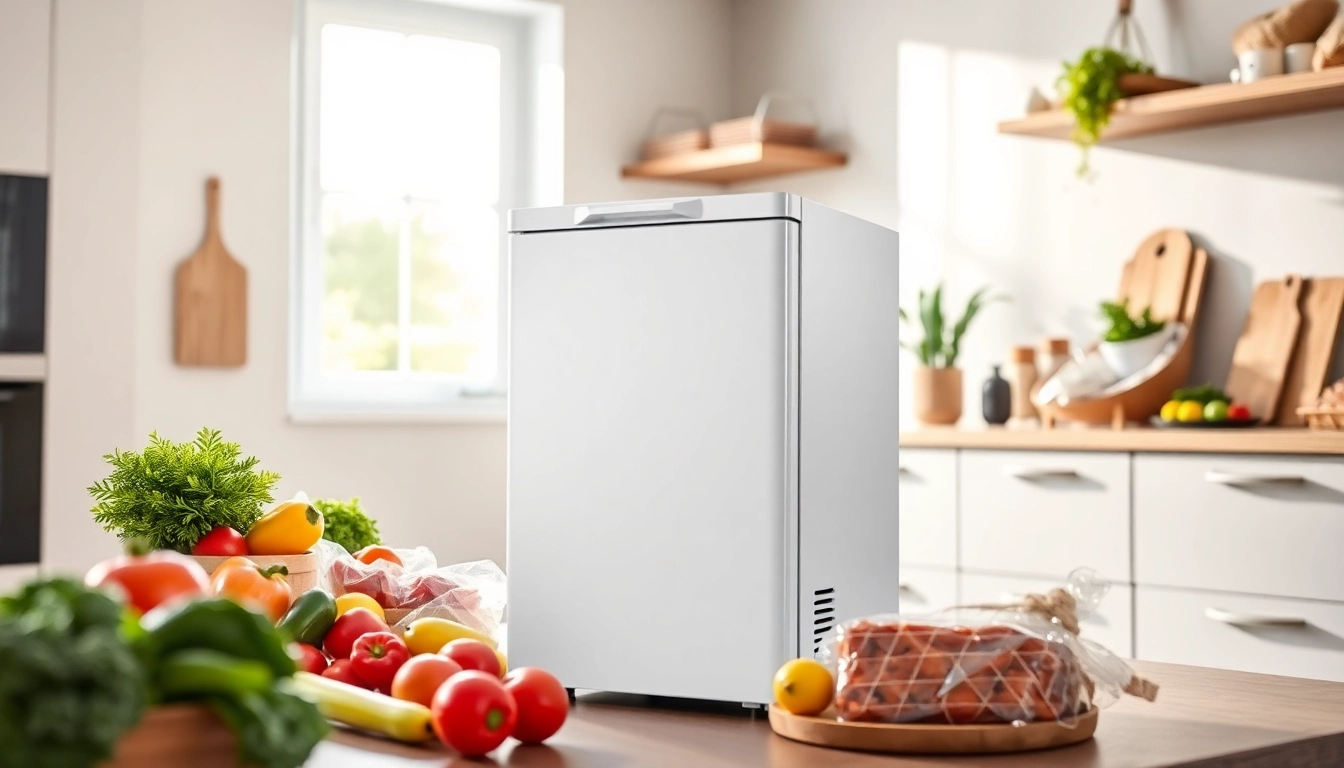
Understanding the Mini Freezer: Key Features
When considering a mini freezer, it's essential to familiarize yourself with the features that set them apart from traditional freezers. By doing so, you can make an informed decision that aligns with your storage needs and lifestyle. Below, we will explore key features that contribute to the overall functionality of mini freezers.
Energy Efficiency and Ratings
Energy efficiency is a critical aspect when choosing a mini freezer. Look for models that have the ENERGY STAR label, indicating they meet strict energy efficiency criteria. These models typically consume less power, saving you money on your utility bills over time. On average, a mini freezer can consume anywhere from 100 to 250 kWh per year depending on its size and usage. For instance, a high-efficiency model could save you as much as $50 annually compared to an older, less efficient unit.
Size Variations for Different Spaces
Mini freezers come in various sizes, typically ranging from 1.1 to 5.0 cubic feet. Assess your storage needs based on available space and how much you plan to stash away. Consider where you'll place your freezer, such as in a kitchen, dorm room, or garage. For tight spots, narrow upright models are ideal, while chest models provide more capacity but may require more floor space. Evaluating both width and height will ensure you choose a model that fits seamlessly into your desired location.
Temperature Controls and Settings
Temperature control is another essential feature. Most mini freezers allow settings between -10°F to 0°F, ensuring your food remains in peak condition. Look for freezers with adjustable thermostats, as they provide flexibility for storing different types of foods. Some advanced models also come with digital displays for precise temperature monitoring, which can enhance food preservation and reduce energy consumption.
Benefits of Owning a Mini Freezer
Owning a mini freezer provides numerous advantages tailored to the needs of smaller households or those requiring extra storage. Below are some fundamental benefits of having this appliance in your home.
Space-Saving Solution for Small Areas
Mini freezers are specifically designed to maximize storage while minimizing space. They are perfect for apartments, small kitchens, and dorms where room is at a premium. By carefully selecting a compact model, you can achieve an efficient storage solution without compromising your living space. When arranged thoughtfully, a mini freezer can often fit beneath cabinets or in closets, allowing you to utilize every square inch of your home.
Preserving Perishables and Frozen Foods
A mini freezer allows you to stockpile items on sale or keep leftovers without the concern of spoilage. This type of freezer is particularly valuable for someone who buys in bulk, as it helps in maintaining the freshness of meats, fruits, and vegetables. Organizing your freezer effectively can lead to a significant reduction in food waste and can help in meal planning, saving both time and money.
Ideal for Dorm Rooms and Offices
For students in dorms or professionals working from home, a mini freezer is an invaluable asset. It provides easy access to snacks, frozen meals, or drinks without needing to visit a shared kitchen. This convenience not only enhances comfort but also boosts productivity by reducing time spent on meal preparation and snack hunting.
How to Choose the Right Mini Freezer
Selecting the right mini freezer requires thoughtful consideration of your needs and preferences. Here’s a breakdown to guide you in your decision.
Assessing Your Storage Needs
Start by evaluating how much food you typically need to store. If you primarily buy snacks and quick meals, a smaller unit may suffice. However, if your lifestyle includes bulk purchasing or meal prepping, you might lean towards a larger model. As a rule of thumb, assess your shopping habits and factor in seasonal changes in your food usage.
Understanding Different Freezer Types
Familiarize yourself with the two main types of mini freezers: chest freezers and upright freezers. Chest models generally offer more space and better energy efficiency due to their design, which limits cold air loss when opened. Conversely, upright models are easier to access, helping you find items quickly and often come with shelves and bins for organized storage. Your choice of style should fit your personal convenience and aesthetics.
Budget Considerations
Going into your purchase with a budget in mind is vital. Mini freezers can range in price from $100 to over $400. More advanced features, such as frost-free operation or enhanced cooling technology, come at a premium. Determine how much you're willing to invest and consider which features matter most to you before making a decision. Check for warranties as well, since a good guarantee can safeguard your investment against any potential defects.
Maintenance Tips for Longevity
To keep your mini freezer running efficiently over the years, regular maintenance is imperative. Here are proven strategies to follow.
Cleaning and Organization Strategies
Regular cleaning helps prevent odors and ensures optimal performance. Unplug the unit and defrost it as necessary; the accumulation of frost can impede the unit’s efficiency. Every few months, wipe down the interior with a mild soap solution and allow it to dry completely before restocking. Additionally, keep items organized by prioritizing perishable goods and placing older items at the front for easy access.
Monitoring Temperature and Performance
Keeping an eye on the temperature is key to ensuring your frozen goods remain safe and effective. Regularly check the thermostat settings and use a separate thermometer to ensure the freezer is maintaining optimal temperatures. If you notice fluctuations or the unit is making excessive noise, it could indicate a mechanical issue requiring professional checks.
Troubleshooting Common Issues
Common problems can include noises from the compressor, inadequate cooling, or electrical issues. With noises, check that the freezer stands evenly and is not in contact with other surfaces. If cooling issues arise, verify that vents aren’t blocked and that the unit is not overstuffed. For electrical concerns, ensure that it is plugged in securely and consider consulting a technician if problems persist.
Frequently Asked Questions About Mini Freezers
Do mini freezers work efficiently?
Yes, mini freezers can work efficiently, especially if you choose an ENERGY STAR-rated model. Proper maintenance and efficient use of space help optimize their performance.
What is the ideal size for a mini freezer?
The ideal size varies based on your needs, but ranges from 1.1 to 5.0 cubic feet. Assess your storage requirements and available space carefully before deciding.
Can a mini freezer keep food frozen long-term?
Yes, a well-functioning mini freezer can keep food frozen for extended periods. Regular monitoring of temperatures ensures food remains preserved.
Are mini freezers noisy?
Noise levels vary by model. Some are designed to be quieter than others, so look for reviews mentioning operational noise if this is a concern for you.
What should I store in a mini freezer?
A mini freezer is ideal for storing frozen meals, snacks, meats, fruits, and vegetables. Organizing your items will help you utilize its space effectively and reduce waste.