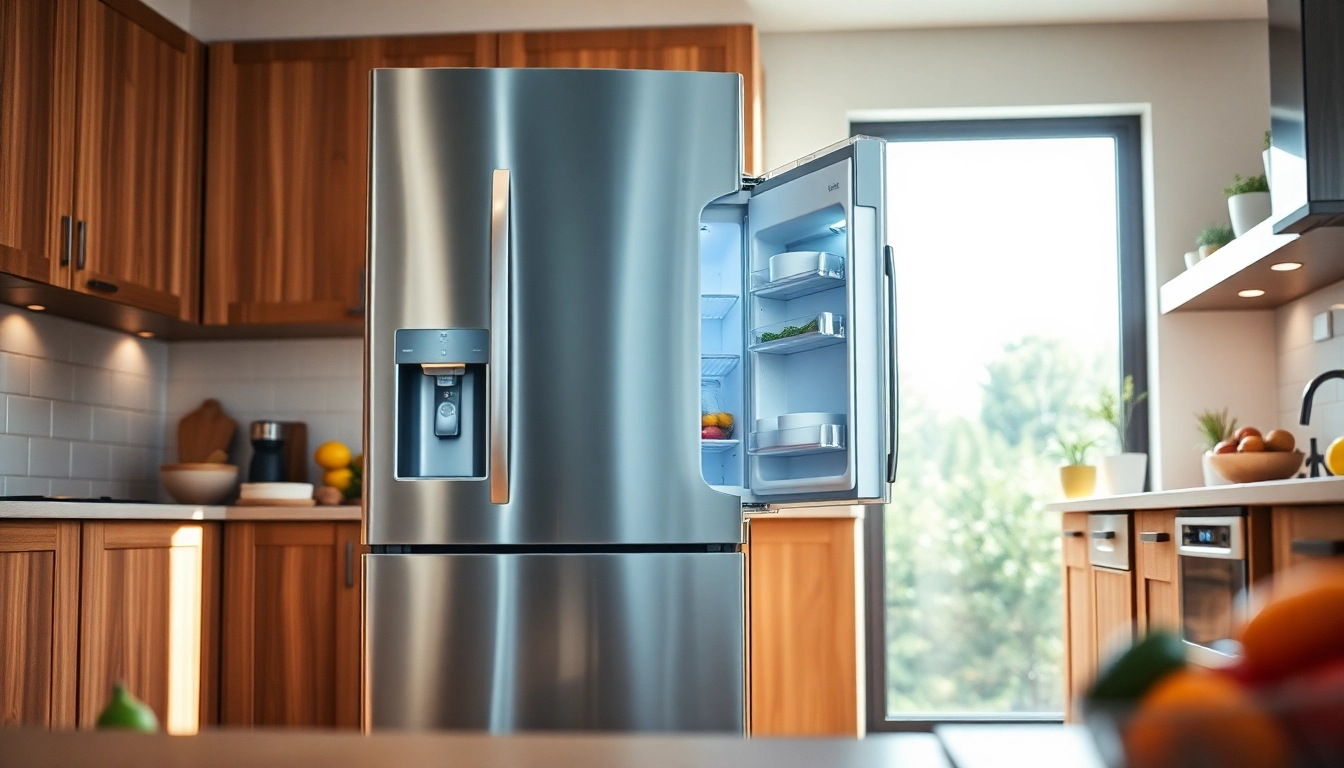
Understanding Refrigerator Types
Choosing the right Refrigerator can profoundly impact your kitchen’s functionality and your cooking experience. Given the plethora of options on the market, it's essential to understand the distinct types of refrigerators available and how they cater to various needs and preferences. This section will delve into the primary refrigerator types, their unique features, and the contexts in which each performs best.
Top Freezer Refrigerators
Top freezer refrigerators are the traditional models that place the freezer compartment on top of the refrigerator section. This classic design allows easy access to commonly used items while ensuring that frozen goods remain fresh. One significant advantage of top freezer models is their energy efficiency, as they tend to consume less power compared to other designs. In addition, these refrigerators often offer a spacious cooling compartment, making them a popular choice for families.
Bottom Freezer Refrigerators
In contrast to their top freezer counterparts, bottom freezer refrigerators position the freezer drawer at the bottom. This design is particularly user-friendly, as it allows for easy access to fresh food stored in the refrigerator section. People with mobility issues often prefer this style, as the items they use most frequently are at eye level. Moreover, bottom freezer models tend to feature larger freezer compartments, accommodating various frozen goods comfortably.
Side-by-Side Refrigerators
Side-by-side refrigerators feature two vertically divided sections—one for refrigeration and another for freezing. This layout allows for quick access to both compartments simultaneously, which is particularly beneficial for larger families or those who keep various food items on hand. Many side-by-side models also come equipped with advanced features, such as built-in water and ice dispensers, making them an attractive option for homeowners.
Energy Efficiency and Its Importance
Energy efficiency has become a significant consideration for both consumers and manufacturers alike, especially given the rising costs of utilities and a growing emphasis on sustainability. Modern refrigerators are designed with energy-saving features that minimize electricity consumption without compromising performance.
How Energy Ratings Affect Costs
Refrigerator energy ratings are assigned by organizations that evaluate their power consumption relative to similar models. Higher ratings often correlate with lower energy costs over time. When shopping for a refrigerator, look for units with better energy ratings; while the initial purchase price may be higher, the long-term savings on energy bills can justify the investment.
Benefits of Energy-Efficient Refrigerators
Investing in an energy-efficient refrigerator can yield numerous benefits. These models typically operate quietly and produce less heat, contributing to a more comfortable kitchen environment. Furthermore, they often boast innovative technology that helps maintain even temperatures, enhancing food preservation. Lastly, the lower environmental impact—especially if paired with renewable energy sources—makes energy-efficient fridges more appealing in today’s eco-conscious world.
Understanding Energy Star Certification
The Energy Star certification is an important label consumers should look for when purchasing a new refrigerator. This designation indicates that the appliance meets strict energy efficiency guidelines set by the U.S. Environmental Protection Agency. Energy Star-rated refrigerators typically consume 9–50% less energy than non-certified models, translating to significant savings on annual utility bills. Adopting Energy Star-rated products is not only a smart financial decision but also a responsible choice for the environment.
Key Features to Look For
Today's refrigerators come equipped with a variety of features designed to enhance functionality, convenience, and user experience. Understanding these features can help you make an informed purchasing decision.
Smart Technology and Connectivity
Modern refrigerators often integrate smart technology, allowing users to connect to them via smartphone apps. These advanced features enable various functions such as temperature control, alerts for door openings, and diagnostic reports for maintenance. Additionally, smart refrigerators can connect to other smart home devices, making them a central part of a home automation system.
Adjustable Shelving Options
Flexibility in storage is crucial when it comes to organizing your refrigerator. Look for models that feature adjustable shelving, which allows you to customize the layout based on your storage needs. This adaptability can accommodate larger items, such as birthday cakes or big pizza boxes, without sacrificing valuable space. The ability to easily rearrange shelves also makes it easier to maintain organization within the refrigerator.
Temperature Control and Freshness
Proper temperature regulation is key to food safety and freshness. Different items require varying temperatures for optimal preservation—fruits and vegetables, for instance, thrive in slightly different environments. A reliable refrigerator should come with advanced temperature control functions, possibly including multiple cooling zones. This ensures that all types of food remain fresh longer, ultimately reducing food waste.
Maintaining Your Refrigerator for Longevity
Maintaining your refrigerator is essential to ensure its longevity and optimal performance. A well-maintained refrigerator can last upwards of twenty years, saving you money in the long run. Below are practical maintenance tips and troubleshooting advice for common issues.
Regular Cleaning and Maintenance Tips
Cleansing your refrigerator regularly is vital to prevent food contamination and odors. Wipe down shelves with a mild soap solution every few months, and don’t forget to remove expired food products. Additionally, consider cleaning the condenser coils annually to ensure efficient operation. Dust buildup can impede cooling performance, leading to unnecessary energy consumption.
Common Issues and Troubleshooting
Common issues with refrigerators may include inconsistent temperatures, excessive noise, or water pooling on the floor. First, check the temperature settings or ensure that the damper is not blocked. If your refrigerator makes strange noises, consider checking the compressor or fan for operation. Should water accumulate on the floor, inspect the door seals or drain pan. Often, these problems can be addressed without professional assistance.
When to Seek Professional Help
If you encounter persistent issues that do not resolve with basic troubleshooting, it may be time to call in a professional technician. Signs such as constant overheating, significant buildup of frost in the freezer section, or the refrigerator failing to cool any items warrant immediate attention. Seeking professional assistance early can prevent further damage and ensure your refrigerator operates efficiently.
FAQs About Refrigerators
What size refrigerator do I need for my kitchen?
The size of the refrigerator depends on your kitchen space and family size. Generally, a larger family needs a bigger model, while singles or couples can opt for compact versions.
How can I improve my refrigerator's energy efficiency?
Ensure the door seals are tight, clean the condenser coils, and keep the refrigerator stocked to maintain efficiency and temperature stability.
What features should I prioritize when buying a refrigerator?
Look for energy efficiency, smart technology, temperature controls, and adjustable shelves tailored to your specific needs and lifestyle.
How often should I clean my refrigerator?
It's advisable to clean your refrigerator every few months and check for expired items weekly to maintain hygiene and freshness.
What is the average lifespan of a refrigerator?
Typically, refrigerators last about 10 to 20 years, depending on their brand, usage, and how well they are maintained throughout their lives.