Understanding Commercial Flat Roofing
Commercial flat roofing has gained significant traction as a preferred choice for businesses seeking durability and cost-effectiveness. Unlike traditional pitched roofs, flat roofs provide unique advantages, especially in urban environments where space is limited. They offer opportunities for additional functionality, including rooftop gardens and HVAC systems. Understanding what constitutes commercial flat roofing, the types available, and their benefits can help business owners make informed decisions for their properties. When exploring options, commercial flat roofing provides comprehensive insights into various systems and materials.
What is Commercial Flat Roofing?
Commercial flat roofing refers to roofing systems that have a low slope or are entirely flat, primarily designed for commercial buildings. These roofs are typically constructed using materials that can withstand environmental stress while maintaining a waterproof barrier. Flat roofs differ from sloped roofs in that they can have a minimal incline, usually less than 10 degrees, which allows for efficient water drainage and maximization of usable space.
Types of Flat Roofing Systems
There are several types of flat roofing systems available for commercial applications, each with unique properties and advantages:
- Built-Up Roofing (BUR): This traditional roofing system consists of multiple layers of asphalt, ply sheets, and gravel. BUR is highly durable and known for its long lifespan.
- Single-Ply Membrane: This includes various materials like EPDM (Ethylene Propylene Diene Monomer) and TPO (Thermoplastic Olefin). They are lightweight, easy to install, and offer excellent flexibility and resistance to UV rays.
- Modified Bitumen: This is similar to BUR but incorporates modified asphalt for additional flexibility and strength. It’s typically installed using a torch-down method or adhesives.
- Spray Foam Roofing: A seamless system that is applied as a liquid and expands into a solid foam, providing thermal insulation and excellent waterproofing.
Benefits of Commercial Flat Roofing
Commercial flat roofs offer a variety of benefits for business owners:
- Cost-Effective: Installation and maintenance costs are generally lower compared to pitched roofing systems.
- Space Utilization: The flat surface can be utilized for installing HVAC units, solar panels, or even recreational areas.
- Accessibility: Easier to access for maintenance and inspections, reducing the overall risk associated with roof work.
- Energy Efficiency: Depending on the materials used, flat roofs can enhance energy efficiency, particularly if reflective membranes are employed.
Choosing the Right Materials
The materials used in commercial flat roofing can significantly impact durability, insulation, and energy efficiency. Choosing the right materials involves understanding the specific needs of your building and climate considerations.
Common Materials for Flat Roofing
Some of the most common materials used for commercial flat roofs include:
- EPDM: Renowned for its longevity, EPDM is a synthetic rubber that is durable and resistant to weathering.
- TPO: Known for its heat-reflective properties, TPO is a cost-effective option that helps reduce cooling costs.
- Modified Bitumen: This provides a tough, watertight surface, ideal for varied weather conditions.
- Built-Up Roofing: Provides robust protection and has a reputation for longevity, making it suitable for heavy-duty applications.
Environmental Considerations in Material Selection
When selecting flat roofing materials, environmental sustainability should be considered. Many materials are now available in eco-friendly options, with reflective surfaces that enhance energy savings. Furthermore, selecting materials that can be recycled or are made from recycled components can reduce the building's carbon footprint.
Cost Comparisons of Flat Roofing Materials
Understanding the cost implications of different flat roofing materials is crucial for budgeting. On average, the initial installation of a flat roof can range from $5 to $10 per square foot, depending on the materials used:
- EPDM: $4 to $8 per square foot
- TPO: $5 to $7 per square foot
- Modified Bitumen: $6 to $10 per square foot
- Built-Up Roofing: $5 to $12 per square foot
While lower upfront costs are appealing, it's essential to consider the long-term effectiveness and maintenance costs associated with each material.
Installation Best Practices
Proper installation is critical to the performance and durability of commercial flat roofing systems. Following best practices ensures that the roof performs well over time and minimizes the need for repairs.
Hiring Professional Flat Roofing Contractors
Investing in a reputable roofing contractor is essential for quality installation. Look for contractors who are licensed, insured, and experienced in flat roof systems. They should provide references and examples of past work to assure you of their competency. Engaging professionals can prevent installation errors that lead to leaks and other issues down the line.
Essential Equipment for Flat Roofing Installation
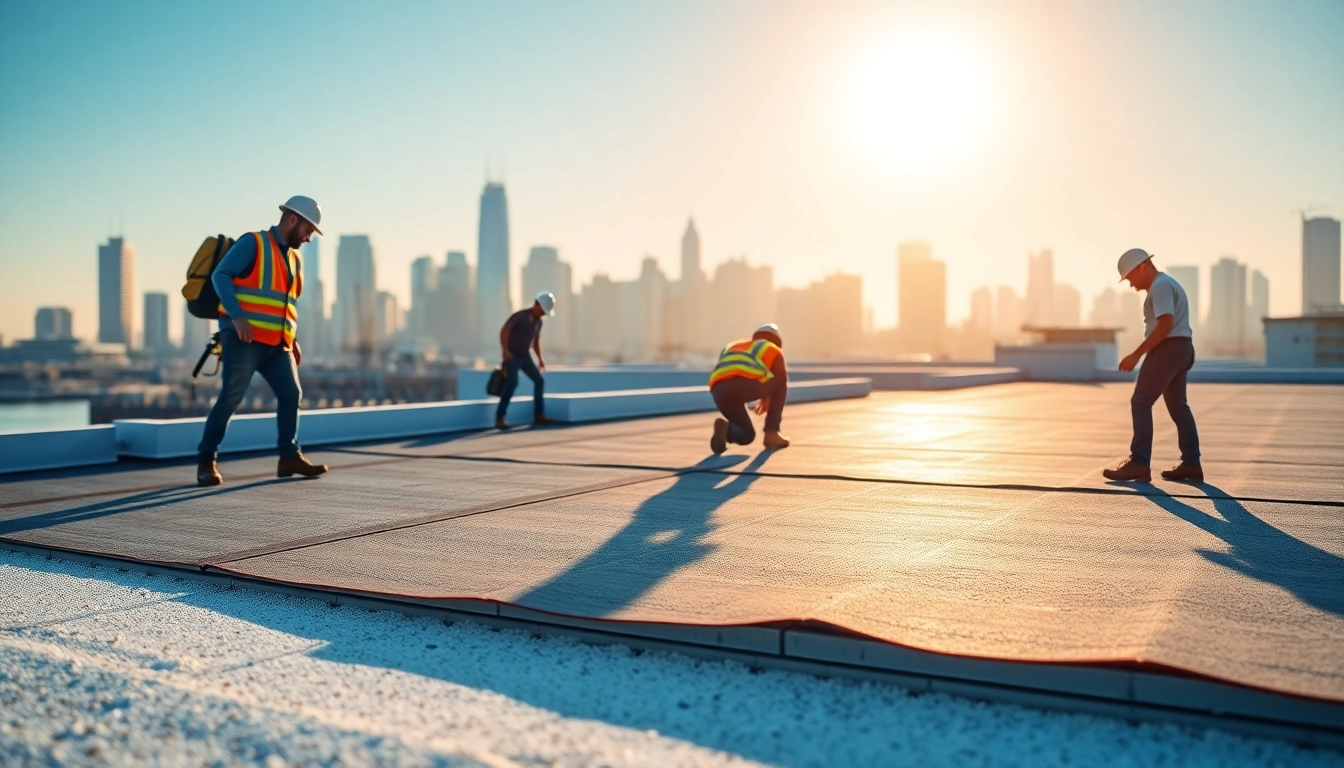
The installation of commercial flat roofing requires specific tools and equipment, including:
- Roofing nailers
- Hot air welders
- Tar kettles for BUR
- Safety harnesses and fall protection gear
Having the right tools ensures that the installation is not only effective but safe for the crew involved.
Step-by-Step Installation Process
The installation process for commercial flat roofing can vary based on the material, but generally includes the following steps:
- Preparation: Remove any old roofing materials and ensure the surface is clean and dry.
- Insulation: Install insulation boards to improve energy efficiency.
- Waterproofing: Apply the chosen roofing material, ensuring all seams are securely connected.
- Ponding Prevention: Ensure the roof has proper drainage to prevent water accumulation.
- Inspection: Conduct a thorough inspection to confirm the installation meets quality standards.
Maintenance and Repair Strategies
Regular maintenance is vital to extend the life of a commercial flat roof. Implementing proactive maintenance measures can save money and prevent costly repairs.
Routine Maintenance for Longevity
Establishing a regular maintenance schedule includes:
- Inspecting for leaks or damage at least twice a year, preferably in spring and fall.
- Clearing debris from the roof surface and drainage systems.
- Applying sealants and coatings as necessary to enhance waterproofing.
Common Issues with Flat Roofing
Flat roofs can face several challenges, including:
- Ponding Water: Water that accumulates on the roof surface can lead to leaks and structural damage if not properly managed.
- Membrane Damage: Punctures or tears in the roofing membrane can compromise the waterproof barrier, leading to leaks.
- Improper Drainage: Inadequate drainage systems can exacerbate issues related to water accumulation.
When to Call for Professional Repairs
Professional intervention is crucial when you notice signs of significant wear, such as large leaks or extensive membrane damage. Additionally, if routine maintenance reveals issues that exceed your capability to repair, enlisting the help of a qualified contractor is advisable.
Future Trends in Flat Roofing
The commercial flat roofing industry is evolving, with new technologies and materials emerging. Staying informed about these trends can aid in making future-proof decisions.
Innovative Technologies in Flat Roofing
Innovations such as self-healing membranes and advanced reflective materials are gaining popularity. Self-healing roofs can repair minor punctures and damage automatically, while reflective materials help buildings maintain cooler temperatures, cutting utility costs.
Predicted Market Changes by 2025
As sustainability becomes increasingly prioritized, the market for flat roofing materials is expected to shift towards eco-friendly and energy-efficient options. Regulatory changes may also drive demand for green materials and roofing systems.
Emerging Materials and Techniques
New materials, such as plant-based membranes and recycled rubber roofing, represent the industry's response to environmental concerns. These materials not only provide effective waterproofing but also contribute to reducing overall landfill waste.