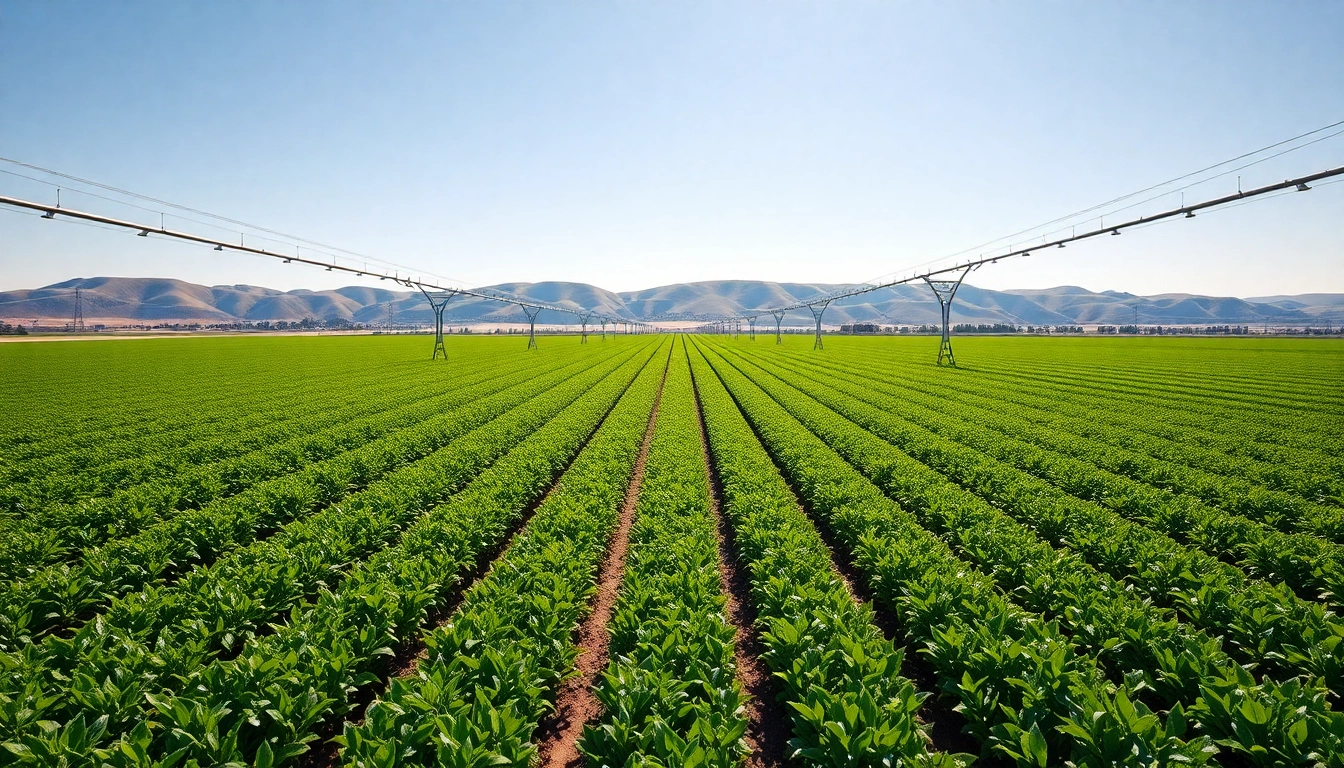
Understanding Land Irrigation Basics
What is Land Irrigation?
Land irrigation is the artificial application of water to soil or land to assist in the growth of agricultural crops. This practice is essential in areas where rainfall is insufficient or irregular, ensuring optimal moisture levels to facilitate plant health and productivity. By implementing systems for land irrigation, farmers can achieve greater control over their water resources, significantly enhancing agricultural efficiency and sustainability. Land irrigation is not only vital for crop production but also plays a crucial role in managing water scarcity challenges in many regions across the globe.
Types of Land Irrigation Systems
Various types of land irrigation systems exist, each serving different agricultural needs and environmental conditions. The main systems can be categorized as follows:
- Surface Irrigation: Water flows over the soil surface and distributes itself through gravity. It's the most commonly used method and includes furrow, basin, and flood irrigation techniques.
- Drip Irrigation: Water is delivered directly to the plant's roots through a network of tubing and emitters, minimizing waste and maximizing efficiency.
- Sprinkler Irrigation: Water is sprayed over the crops using a system of pipes, pumps, and sprinklers, simulating natural rainfall.
- Subsurface Irrigation: Water is applied below the soil surface, reducing evaporation and improving moisture retention.
Choosing the appropriate system involves several factors, including crop type, soil characteristics, and local climate conditions.
Importance of Land Irrigation in Agriculture
Land irrigation is a cornerstone of modern agriculture, significantly impacting food production and security. Its importance can be highlighted in several key areas:
- Increased Crop Yields: Adequate and timely irrigation leads to healthier crops and higher yields, directly contributing to food supply adjustments.
- Improved Plant Health: Consistent moisture levels help reduce stress on plants, making them less susceptible to diseases and pests.
- Diverse Crop Production: Irrigation enables farmers to grow a wider variety of crops beyond what would be possible with rain-fed agriculture.
- Efficiency in Water Use: Advanced systems reduce the overall consumption of water resources, crucial in regions facing water shortages.
Best Practices for Efficient Land Irrigation
Establishing Irrigation Scheduling
Irrigation scheduling is the practice of determining the timing and quantity of water to be applied to crops. Effective scheduling ensures that crops receive adequate moisture without wastage. Farmers can utilize soil moisture sensors, weather forecasts, and crop growth stages to establish a reliable irrigation schedule. By automating irrigation systems based on these schedules, farmers can significantly enhance water efficiency, reduce costs, and improve crop health.
Choosing the Right Irrigation Method
Selecting the appropriate irrigation method is crucial for maximizing efficiency and effectiveness. Factors influencing this choice include:
- Soil Type: Sandy soils drain quickly and may require more frequent irrigation, while clay soils retain moisture better.
- Crop Type: Different crops have distinct water needs, which can influence the choice of irrigation system.
- Topography: Land slope affects water distribution, so the system must be adapted accordingly.
Utilizing tools such as irrigation efficiency calculators can assist in identifying the most suitable irrigation method.
Regular Maintenance of Irrigation Systems
Routine maintenance of irrigation systems is essential to ensure optimal performance and longevity. Key maintenance practices include:
- Checking for Leaks: Regular inspections can identify leaks early, preventing water loss and minimizing expenses.
- Cleaning Filters: Keeping filters free from debris and clogs to maintain water flow and system efficiency.
- Monitoring Pressure: System pressure should be regularly checked to ensure that irrigation methods function as intended.
- Seasonal Preparation: Preparing systems for seasonal changes, such as winterizing equipment, to prevent damage.
Benefits of Modern Land Irrigation Technologies
Smart Irrigation Solutions
The advent of technology has revolutionized land irrigation. Smart irrigation systems incorporate sensors and automation to enhance water management. This technology allows farmers to adjust irrigation schedules based on real-time data from soil moisture levels and weather conditions, resulting in significant water savings and improved crop performance.
Water Conservation through Advanced Techniques
With water scarcity becoming increasingly prevalent, modern irrigation techniques focus on conservation. Methods such as drip irrigation vastly reduce water wastage by delivering water directly to plant roots. Rainwater harvesting systems additionally capture and store rainwater for irrigation purposes, further minimizing reliance on conventional water sources.
Improving Crop Yields with Advanced Technologies
Emerging technologies, including Artificial Intelligence (AI) and machine learning, have enabled precise irrigation practices. For instance, AI can analyze vast amounts of data to optimize water application times and amounts, tailored to specific crop types and environmental conditions. Utilizing these technologies not only leads to enhanced yields but also contributes to sustainable agricultural practices.
Common Challenges in Land Irrigation
Water Scarcity and Resource Management
As global populations grow and climate change intensifies, water scarcity remains a pressing issue. Effective resource management becomes paramount in ensuring sustainable land irrigation practices. Farmers must implement strategies such as crop rotation and cover cropping to maintain soil health and water retention.
Soil Salinity Issues
Excessive irrigation can lead to soil salinity, adversely affecting crop growth and yields. Salinity management practices include utilizing drainage systems to prevent waterlogging and employing salt-resistant crop varieties. Regular soil testing can help monitor salinity levels and guide appropriate adjustments.
Environmental Impacts of Irrigation
Irrigation can have unintended environmental consequences, such as ecosystem disruption and water source depletion. It is crucial for farmers to adopt sustainable practices, including integrating ecological considerations into irrigation planning, to minimize negative impacts. Managed aquifer recharge is one technique that enhances groundwater resources while safeguarding ecosystems.
Future Trends in Land Irrigation
Integrating AI and Automation
The integration of AI into irrigation systems represents a significant technological trend. AI can optimize water usage by predicting the needs of crops based on environmental data, ultimately increasing efficiency and productivity. As these technologies evolve, they will play a vital role in sustainable agricultural practices.
Regenerative Agricultural Practices
Regenerative agriculture focuses on rebuilding soil health and biodiversity. Incorporating land irrigation into regenerative practices involves utilizing techniques that enhance water retention and promote ecosystem resilience. By embracing these methodologies, farmers can achieve greater sustainability while ensuring agricultural productivity for future generations.
Policy Changes for Sustainable Water Use
Future trends will also be influenced by policy changes aimed at promoting sustainable water use in agriculture. Regulations and incentives for efficient irrigation practices can drive innovation and conservation efforts. Engaging policy frameworks that focus on equitable water distribution and environmental protection will support long-term sustainability in land irrigation.
Frequently Asked Questions
What are the benefits of efficient irrigation?
Efficient irrigation increases crop yield, conserves water, minimizes costs, and enhances plant health, contributing to sustainable agriculture.
How can I determine the best irrigation method for my farm?
Consider factors such as soil type, crop needs, topography, and available resources to choose the most effective irrigation method.
What technologies are available for modern irrigation?
Technologies include smart irrigation systems, moisture sensors, and automation tools that optimize water usage and improve efficiency.
How does irrigation impact soil salinity?
Improper irrigation can lead to increased soil salinity, which negatively affects crop growth and requires management strategies to mitigate.
Why is policy important in irrigation water use?
Policies support sustainable water management, incentivize efficient practices, and ensure equitable access to resources, promoting long-term agricultural health.