Understanding Fly Fishing Kits
Fly fishing is not just a pastime; it's a robust experience that immerses anglers in nature while challenging their skills. Core to this experience is the fly fishing kit, a carefully selected assortment of gear that equips enthusiasts, whether beginners or seasoned anglers, to navigate the waters effectively. But what exactly constitutes a fly fishing kit, and why is it essential for your fishing journey? Let's delve deeper.
What is Included in a Fly Fishing Kit
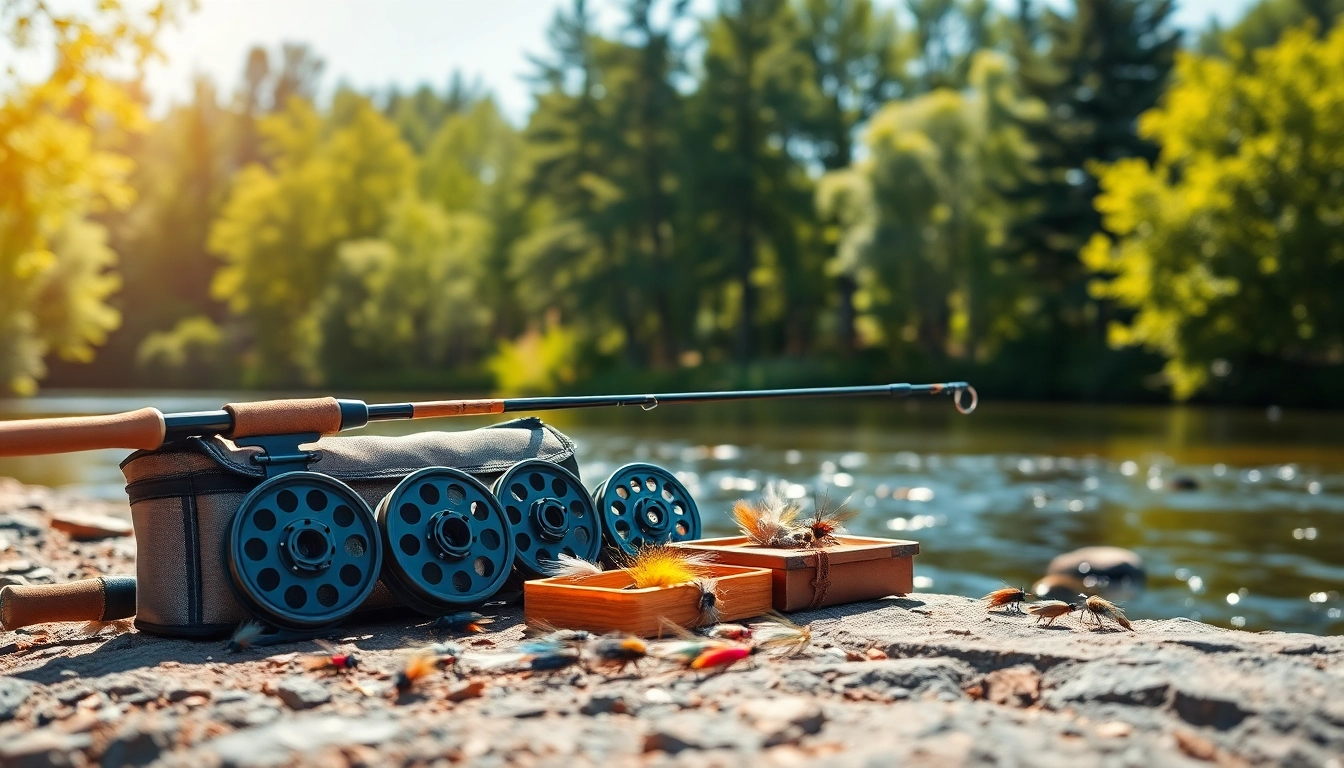
A well-rounded fly fishing kit includes various components designed to work harmoniously together. Here’s a breakdown of the essentials:
- Fly Rod: Typically longer and more flexible than conventional rods, fly rods range in weight and length. The choice depends largely on the type of fish and the fishing environment.
- Fly Reel: The reel stores the line and assists in reeling in the fish. Many modern reels are lightweight and feature sturdy drag systems to handle larger catches.
- Fly Line: Differentiating characteristics include weight and tapering. A properly chosen fly line allows the angler to cast effectively.
- Tippet and Leader Line: The leader line connects the fly line to the tippet, which connects to the fly. Quality leader and tippet materials improve success rates by providing invisibility in water.
- Flies: These synthetic or natural bait mimics the aquatic life. A good kit often includes a selection of flies suited for different fishing conditions.
- Accessory Gear: Items like floatants, indicators, nippers, and forceps are also crucial to enhance your fishing expedition.
Types of Fly Fishing Kits Available
When exploring fly fishing kits, it’s essential to understand the variety available. Different fishing conditions and skill levels demand tailored kits:
- Beginner Fly Fishing Kits: These kits are often pre-packaged and come with everything needed to start, including a fly rod, reel, and various flies, with user-friendly instructions.
- Specialized Kits: For those targeting specific fish, such as bass or trout, specialized kits come pre-packed with flies and gear specific to those species.
- Premium Kits: Targeted towards seasoned anglers, these kits feature high-end gear made from advanced materials, engineered for superior performance.
- Travel Kits: Designed for anglers on the go, travel kits typically include portable rods and reels, lightweight gear, and compact accessories.
Benefits of Using a Complete Fly Fishing Kit
Opting for a complete fly fishing kit over assembling components piecemeal has numerous advantages:
- Cost-Effective: Purchasing a kit can often be cheaper than buying individual pieces.
- Convenience: Kits provide everything needed in one package, saving time in selection and ensuring compatibility.
- Quality Assurance: Reputable manufacturers ensure all components in a kit are optimized to work well together, enhancing your fishing experience.
- Consistency for Beginners: Having a fully stocked kit alleviates the confusion beginners may face in terms of gear compatibility.
Choosing the Right Fly Fishing Kit for Your Needs
As you seek the perfect fly fishing kit, several factors must come into play, ensuring you select gear that meets your specific needs, skill level, and budget.
Key Considerations: Skill Level and Budget
Your skill level plays a crucial role in determining which kit suits you best:
- Beginners: Focus on simplicity and ease of use. A beginner kit should include a moderate action rod that is forgiving and easy to cast.
- Intermediate and Advanced: Anglers at this level may prefer specialized setups and higher-end components that enable advanced techniques and cater to specific fishing conditions.
- Budget: Factor in what you’re willing to spend. Entry-level kits can be affordable, but investing in quality gear can enhance your experience over time.
Matching Gear to Fishing Environment
The environment determines essential choices in fly fishing gear:
- Freshwater vs. Saltwater: Saltwater fishing typically requires heavier, corrosion-resistant reels and rods due to the harsher environment.
- Freshwater Rivers and Streams: Lighter rods are preferred, matched with corresponding flies to mimic local aquatic life.
- Lake Fishing: Here, longer casts with larger flies may be necessary to reach deeper waters.
Top Brands for Quality Fly Fishing Kits
Identifying quality brands is crucial to ensuring your kit meets performance standards:
- Orvis: Known for innovation and crafting high-end gear that’s durable and reliable.
- Echo: Offers an array of beginner to intermediate kits that balance affordability with performance.
- Redington: Delivers quality kits praised for their durability and well-proportioned components, particularly for entry-level anglers.
- Winston: Targets premium markets, specializing in handcrafted rods that yield exceptional casting performance.
How to Properly Utilize Your Fly Fishing Kit
Owning a fly fishing kit is just the beginning; knowing how to use it effectively is essential for success. Proper setup and techniques are vital for both catching fish and enhancing your overall fishing experience.
Setting Up Your Fly Rod and Reel
Setting up your fly rod and reel might seem daunting, but with practice, it can become second nature:
- Attach the Reel: Secure the reel to the rod using the reel seat, ensuring it’s snug but not overly tight.
- Spool the Fly Line: Feed the line through the guides starting from the tip and finish with the line exiting from the reel.
- Add the Leader Line: Tie a loop to connect the leader line to the fly line securely, ensuring it can withstand the pressure from a fish.
- Attach the Tippet: Use a double surgeon's knot or similar to connect your tippet line to the leader.
- Choose Your Fly: Pick an appropriate fly that matches the local hatch or the fish species targeted.
Understanding Casting Techniques
Mastering casting is pivotal and can significantly improve your efficiency on the water:
- Overhead Cast: Commonly used for most fly fishing scenarios, this technique involves lifting the line above your head and then casting it forward.
- Roll Cast: Useful in tight spots where you can't back cast, this quick movement rolls the line with a flick of your wrist.
- Double Haul Cast: Beginners can find it challenging, but mastering this technique increases distance by pulling the line during both the back and forward cast.
Best Practices for Fly Selection
Choosing the right fly is crucial for enticing fish:
- Match the Hatch: Observing local insects can help you determine which artificial flies to use.
- Use Different Sizes: Varying the size of your flies can help attract different species of fish.
- Color Matters: Bright colors often attract attention, but sometimes subtle tones work better based on water conditions.
Caring for Your Fly Fishing Kit
Proper care of your fly fishing kit enhances longevity and performance. Regular maintenance ensures your gear remains in top condition for your future fishing adventures.
Maintenance Tips for Longevity
Simple maintenance goes a long way in maintaining your gear:
- Clean After Use: Rinse the rod and reel after each trip to remove dirt and grime.
- Inspect the Line: Regularly check your fly line for nicks or wear and replace when necessary.
- Lubricate the Reel: Apply appropriate lubricants to your reel to ensure smooth operation.
How to Store Your Equipment
Storing your kit correctly is essential to prevent damage:
- Cool and Dry Place: Avoid extreme temperatures and moisture that could warp the rod or rust the reel.
- Use Protective Cases: Soft or hard cases provide cushioning and prevent accidental damage during transport.
- Spool Line Properly: Never leave your line under tension for long periods, as this can lead to tangling or breakage.
Repairing Worn-Out Gear
Over time, wear and tear is inevitable even with diligent care:
- Replace Broken Guides: If any line guides break, take the rod to a professional for repair to maintain performance.
- Fix Line Snags: Reseal any frayed fly line or leader material using appropriate knots.
- Reel Servicing: If you notice your reel is stiff, consider having it serviced to ensure it operates smoothly.
Enhancing Your Fly Fishing Experience
Beyond just having the gear, enhancing your fly fishing experience comes through community engagement and supporting gear with accessories that boost performance and comfort.
Essential Accessories to Complement Your Kit
Accessories play a vital role in a successful fishing trip:
- Fishing Vest: Having a vest with ample pockets keeps your flies, tippet, and other gear organized and easily accessible.
- Polarized Sunglasses: Protect your eyes and see beneath the water surface, improving your ability to spot fish.
- First Aid Kit: Always be prepared for minor injuries. A compact first aid kit can make a significant difference.
Joining Fly Fishing Communities for Tips
Engaging with local or online fishing communities can greatly enhance learning:
- Online Forums and Social Media: Platforms like Reddit or specialized fishing forums are good for exchanging tips and experiences.
- Local Clubs and Groups: Many areas have fly fishing clubs that organize trips and events, which can improve your skills.
- Workshops and Classes: Some communities offer classes that cover casting, fly tying, and water safety, providing hands-on experience.
Planning Your First Fishing Trip with Your Kit
Preparation for your first trip can significantly impact your success and enjoyment:
- Research Location: Understanding the local fishing regulations, species behavior, and best times to fish can help you plan effectively.
- Check Weather Conditions: Weather impacts fish activity, so plan your trip based on forecasts to maximize success.
- Get the Right Gear: Ensure your kit is fully stocked, including extra tippet, flies, and hydration supplies, for a smooth outing.
Conclusion
Choosing and using a fly fishing kit wisely has the potential to transform your fishing experiences, making them more productive and enjoyable. By understanding the components of a fly fishing kit, selecting the right gear for your needs, properly utilizing your kit, and maintaining your equipment, you set the stage for successful fishing adventures.
As you embark on this journey, remember that fly fishing is as much about the experience as it is about the catch. Building relationships within the community, learning from others, and regularly practicing will enhance your skills and deepen your enjoyment of the sport. Happy fishing!