Understanding EV Charging Installation
What is EV Charging Installation?
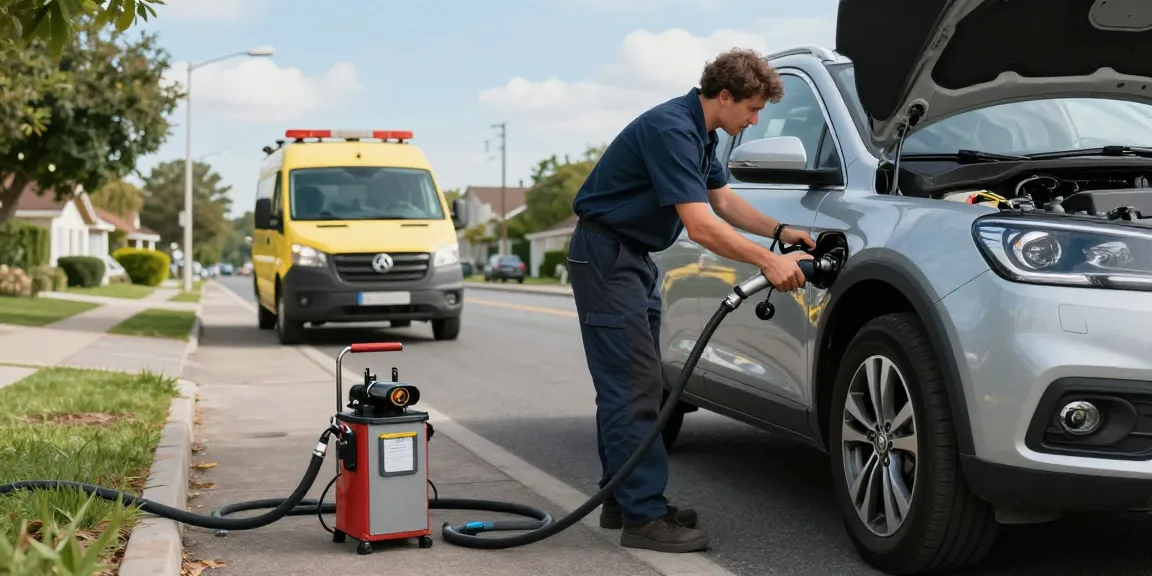
EV Charging Installation refers to the process of setting up an electric vehicle (EV) charging station, which allows EV owners to recharge their vehicles conveniently at home or commercial settings. This process typically involves the installation of a charging unit, electrical connections, and ensuring compliance with necessary safety regulations. It is essential as the adoption of electric cars grows, offering a sustainable and cost-effective charging solution.
Benefits of EV Charging Installation
The advantages of installing an EV charging station are numerous. First and foremost, it increases the convenience of owning an electric vehicle, as owners can charge their cars overnight in the safety of their homes. Additionally, it can lead to significant cost savings compared to using public charging stations, which often charge higher rates. Moreover, having a home charging unit can elevate property value, considering the increasing demand for electric vehicle infrastructure. In addition, these installations support green initiatives by promoting the use of renewable energy sources if coupled with solar panels, enhancing one's commitment to sustainability.
Types of EV Chargers
There are primarily three types of EV chargers:
- Level 1 Chargers: These use a standard 120-volt outlet and are the slowest option, typically providing about 4 to 5 miles of range per hour of charging.
- Level 2 Chargers: Operating at 240 volts, these chargers are more popular for home installations, delivering approximately 25 miles of range per hour, significantly reducing charging time.
- DC Fast Chargers: These are primarily used in commercial settings or public charging stations, allowing rapid charging and can recharge a vehicle to 80% in about 30 minutes.
Preparing for EV Charging Installation
Assessing Your Electrical System
Before installing an EV charging station, it is vital to assess your existing electrical system. This includes checking the electrical panel's capacity to handle the additional load from an EV charger. Typically, homeowners may need to upgrade their system to accommodate a Level 2 charger, which may require a 40 to 60 amp circuit. A certified electrician can perform a comprehensive assessment to ensure that the infrastructure is safe and compliant.
Choosing the Right Charger
Choosing the right charger depends on several factors including your EV model, daily mileage, and available electrical capacity. Ensure that the charger is compatible with your vehicle's charging standards and offers features that meet your needs, such as smart charging capabilities that allow you to schedule charging during off-peak hours for cost savings.
Permits and Regulations
Installation of EV chargers typically requires obtaining local permits and ensuring compliance with electrical codes. Different regions may have various regulations governing the installation of charging stations, so it is essential to check with local authorities to ensure all requirements are met before beginning the installation process.
The Installation Process
Step-by-Step Installation Guide
The installation process generally follows these steps:
- Site Assessment: Evaluate the location for the charger and consider proximity to the electrical panel.
- Electrical Work: A qualified electrician will handle any necessary upgrades to your electrical panel and install the new circuit.
- Charger Installation: Mount the charging station at the chosen location and connect it to the electrical system.
- Testing: Conduct tests to confirm the proper functioning and safety of the installation.
Recommended Practices for Safety
Safety is paramount during installation. Here are some recommended practices:
- Always hire a certified electrician for installation.
- Follow local electrical codes and guidelines during installation.
- Ensure that the charging station is located away from water sources to avoid electrical hazards.
Post-Installation Checks
After installation, it's crucial to perform checks to ensure everything operates smoothly. This includes confirming the charger connects properly with your vehicle, testing the charging speed, and reviewing the user manual for effective usage. Regular maintenance checks should also be scheduled.
Costs Involved in EV Charging Installation
Average Installation Costs
The cost for EV Charging Installation can vary widely based on several factors. On average, homeowners can expect to pay between $800 to $1,500 for the entire installation process, which typically includes materials and labor. However, these costs can increase significantly if electrical upgrades are necessary.
Factors Affecting Price
Key factors influencing the price include:
- Type of charger selected (Level 1 vs. Level 2).
- Extent of electrical upgrades needed.
- Labor charges which can vary by location and electrician experience.
- Permitting costs depending on local regulations.
Financing Options
Many homeowners may want to explore financing options to mitigate upfront costs. Possible approaches include home improvement loans, energy efficiency rebates, or tax credits specific to EV charger installations. It's advisable to research available programs in your area that can reduce out-of-pocket expenses.
Maintenance and Support for EV Charging Installation
Routine Maintenance Tips
Routine maintenance is crucial for ensuring the long-term efficiency of your EV charging station. Regularly inspect the unit for any signs of wear, clean dust or debris from connections, and monitor charging performance. Consulting the manufacturer’s guidelines for maintenance practices can be beneficial.
When to Call a Professional
If you notice any issues, such as the charger not working correctly or unusual electrical smells, it’s crucial to contact a professional immediately. Regular inspections by a licensed electrician can also help in early detection of any potential problems.
Warranty and Support Options
Many chargers come with a manufacturer warranty that covers parts and service for a specific duration. It's important to keep documentation of your installation and any service calls, as this can be essential for warranty claims. Always check the warranty details to understand what is covered.
FAQs about EV Charging Installation
1. How much does it cost to install an EV charger at home?
The cost typically ranges from $800 to $1,500, depending on the type of charger, installation requirements, and local labor costs.
2. Can I install an EV charger myself?
While it's possible to install basic chargers, it's recommended to hire a qualified electrician to ensure compliance with safety regulations and codes.
3. What type of charger is best for my EV?
A Level 2 charger is commonly recommended for homes due to its faster charging speeds, but your choice may depend on your specific vehicle and daily driving habits.
4. Do I need a permit to install an EV charging station?
In most cases, yes. Local regulations often require a permit for electrical installations, including EV chargers, to ensure safety standards are met.
5. How often should my EV charger be serviced?
It's advisable to have regular inspections, typically once a year, to ensure everything is functioning correctly and to catch any issues early.
For further information and expert advice on EV Charging Installation, you can visit EV Charging Installation.