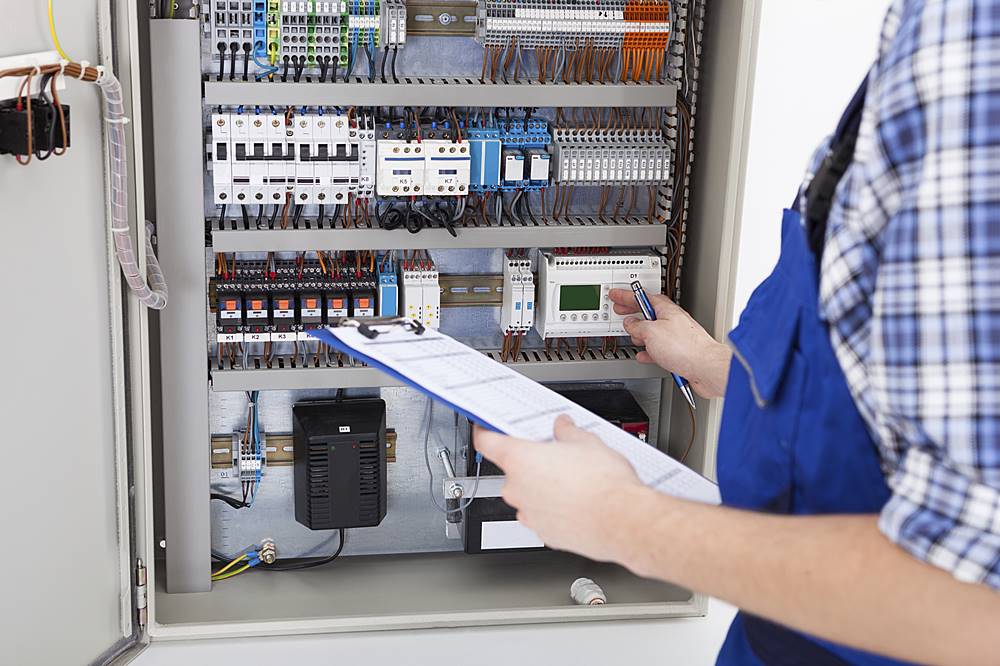
Understanding the Importance of Electrical Service Maintenance
What is Electrical Service Maintenance?
Electrical service maintenance refers to a systematic approach to ensure that your electrical systems operate effectively and safely. This includes a variety of tasks such as inspections, tests, repairs, and upgrades conducted on electrical systems to enhance performance and longevity. By organizing electrical service maintenance schedules, property owners can identify potential problems before they develop into serious issues.
Key Benefits of Regular Maintenance
Implementing a regular maintenance schedule for your electrical systems comes with multiple advantages:
- Enhanced Safety: Regular inspections can detect hazards such as faulty wiring or overloaded circuits, reducing the risk of electrical fires or electrocution.
- Cost Savings: Early detection of issues typically results in lower repair costs compared to dealing with problems after they escalate.
- Improved Efficiency: Well-maintained electrical systems run more efficiently, which can lead to lower energy costs and an extended lifespan of appliances.
- Compliance with Regulations: Keeping up with maintenance can help ensure that your electrical systems meet local safety codes and regulations, thus avoiding legal issues.
Common Electrical Issues Addressed Through Maintenance
Regular maintenance can help identify and address a range of electrical issues, including:
- Worn Wiring: Over time, wires can become frayed or damaged; maintenance can catch these problems early.
- Faulty Outlets and Switches: These components can degrade, leading to defective electrical connections.
- Breaker Panel Problems: Circuit breakers can wear out and may need adjustments or replacement.
- Grounding Issues: A poor grounding system could lead to dangerous situations, including electrical shocks.
Signs Your Electrical System Needs Attention
Warning Signals You Shouldn't Ignore
It is essential to recognize warning signs indicating that your electrical system may need attention, such as:
- Frequent Circuit Breaker Trips: If your circuit breakers often trip, this may indicate an overloaded circuit or faulty wiring.
- Dim or Flickering Lights: This can be a sign of voltage irregularities or insufficient power supply.
- Unusual Sounds: Buzzing or crackling sounds coming from outlets or your electrical panel can indicate underlying problems.
- Sparking or Smoke: Smoke or sparks from any electrical devices or outlets are serious issues and require immediate professional assessment.
When to Schedule Maintenance
Scheduling maintenance is crucial; consider setting up a routine check at least once a year. However, it’s advisable to schedule a comprehensive check whenever you:
- Experience any warning signals mentioned above.
- Remodel or renovate your home.
- Move into an older building or home.
- Add new appliances that require significant power.
Routine Checks and Inspections
Routine checks should encompass various components of your electrical system, including:
- Regular inspection of wiring and outlets.
- Testing ground fault circuit interrupters (GFCIs).
- Verifying that circuit breakers are functioning as intended.
- Checking for proper installation and condition of smoke detectors and carbon monoxide detectors.
Best Practices for Electrical Service Maintenance
Creating an Electrical Maintenance Checklist
To streamline electrical service maintenance, create a comprehensive checklist that includes all essential tasks, such as:
- Monthly visual inspections of outlets and appliances.
- Annual testing of smoke and CO detectors.
- Periodic professional assessments to verify system integrity.
- Documenting any repairs or changes made to the electrical system.
Choosing the Right Tools and Equipment
Having the proper tools for electrical maintenance is essential. Useful tools include:
- Voltage testers and multimeters for checking electrical flow.
- Wire strippers to repair damaged wires.
- Screwdrivers and pliers for basic repairs and installations.
- Insulation resistance testers to check insulation integrity.
Hiring Professionals vs. DIY Maintenance
When considering maintenance, weigh the pros and cons of DIY versus hiring professionals:
- Hiring Professionals: Offers expertise, ensures compliance with codes, and can handle complex tasks safely.
- DIY Maintenance: Can save money and increase understanding of your system but poses risks such as incorrect repairs or a lack of safety measures.
How to Prepare for an Electrical Maintenance Visit
What to Communicate with Your Technician
Before a maintenance visit, communicate any concerns with your electrical systems, such as:
- Previous issues or repairs.
- Locations of any problematic outlets or switches.
- Specific appliances that have been problematic.
Accessing Your Electrical System Safely
Ensure that the areas around your electrical panel and outlets are clear. This facilitates easy access for the technician and minimizes hazards.
Gathering Necessary Documentation
Provide any relevant documentation, including:
- Previous maintenance records.
- Warranties on electrical systems or appliances.
- Any blueprints or modifications made to the electrical system.
Frequently Asked Questions about Electrical Service Maintenance
What is included in electrical service maintenance?
Electrical service maintenance typically includes inspections, testing of systems, checking wiring, and ensuring all components function correctly.
How often should I schedule electrical service maintenance?
It is advisable to schedule electrical service maintenance at least once a year or sooner if issues arise.
Can I perform maintenance tasks myself?
While some basic tasks can be done DIY, it's best to hire professionals for complex issues to ensure safety and compliance.
What are the common costs associated?
Costs can vary widely based on the extent of work needed, typically ranging from basic service fees to more extensive repair costs.
How do I know if my system is up to code?
Consult a licensed electrician to evaluate your system's compliance with local codes and regulations during maintenance visits.