
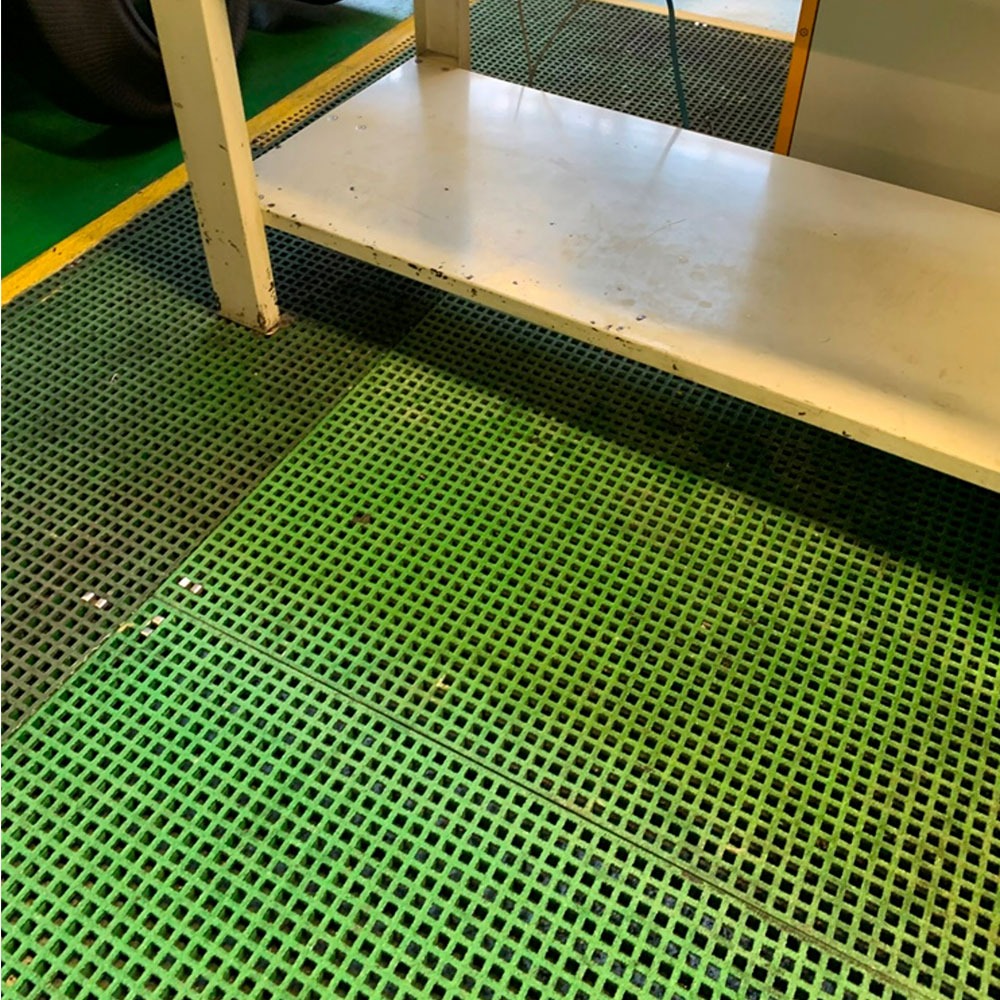
Introduction
Understanding how GRP Grating performs under load is essential when selecting the right material for industrial, commercial, or marine applications. As industries move toward corrosion-resistant, lightweight, and long-lasting solutions, GRP Grating (Glass Reinforced Plastic grating) has become a preferred choice over traditional steel or aluminum options. This article provides a comprehensive and professional breakdown of GRP Grating load ratings, exploring how strength, flexibility, and safety standards guide proper selection and installation. By the end, you will fully understand the engineering principles that determine the mechanical performance of GRP Grating, enabling you to choose the ideal specification for your project.
What Determines GRP Grating Load Ratings?
Composition and Manufacturing Method
The strength of GRP Grating begins with the materials and production methods used. GRP combines high-strength glass fibers with a thermosetting resin, forming a composite that offers exceptional durability. The type of resin—typically polyester, vinyl ester, or phenolic—impacts the grating’s chemical resistance and mechanical properties.
Manufacturers primarily use one of two processes:
- Pultrusion Pultruded GRP Grating has continuous glass fibers aligned in one direction, providing excellent longitudinal strength. This design produces high load capacity and is ideal for long-span applications.
- Molded Construction Molded GRP Grating has fibers distributed in multiple directions, delivering multidirectional strength and consistency. It is best for environments requiring strong impact resistance or frequent exposure to chemicals.
Grating Thickness and Depth
Load ratings directly correlate with panel depth. Thicker GRP Grating panels support greater loads and resist deflection more effectively. Common thicknesses range from 25 mm to 50 mm, with deeper panels used for heavy-duty platforms and industrial walkways.
Mesh Size and Bar Geometry
The spacing between bars affects structural behavior. Smaller mesh patterns increase surface contact, distribute loads evenly, and reduce deflection. Meanwhile, bar geometry—whether I-bar (pultruded) or rectangular (molded)—also influences performance under heavy loads.
Understanding Types of Loads in GRP Grating Applications
Static Loads
Static loads represent constant forces applied over time, such as stationary equipment or storage cases. GRP Grating must maintain structural integrity under long-term pressure without permanent deformation.
Live Loads
Live loads relate to dynamic factors, including foot traffic, vehicles, rolling carts, or temporary weight. For walkways and platforms, GRP Grating is commonly rated for pedestrian loads such as 5 kN/m² or more, depending on industrial standards.
Point Loads
Point loads occur when a heavy object exerts force on a small area. Pultruded GRP Grating often performs better under point loads due to its unidirectional fibers providing added stiffness.
Why GRP Grating Strength Outperforms Traditional Materials
High Strength-to-Weight Ratio
A defining feature of GRP Grating is its superior strength-to-weight ratio. Despite being much lighter than steel, it can withstand comparable or even higher loads in many applications. This reduces installation labor, transportation costs, and structural support requirements.
Corrosion and Chemical Resistance
Where steel corrodes and aluminum reacts to marine environments, GRP Grating remains stable. Its load performance does not degrade even when exposed to:
- saltwater
- wastewater chemicals
- industrial gases
- acids and alkalis
This means load ratings stay reliable for decades.
Flexibility Without Structural Failure
Unlike metals that bend permanently, GRP Grating offers controlled flexibility. This resilience allows the material to absorb impact and vibration without cracking. Its ability to return to its original form ensures continued safety even after heavy use.
How Deflection Affects GRP Grating Load Ratings
What Is Deflection?
Deflection refers to the downward movement when a load is applied. Industry standards determine acceptable deflection limits for walkways, platforms, and work areas. GRP materials typically allow more deflection than steel—but without compromising safety.
Industry-Standard Deflection Limits
The most common deflection criteria for GRP Grating include:
- 1/200 of span for walkways and pedestrian platforms
- 1/100 of span for areas carrying heavier loads
- Specific manufacturer-defined limits for vehicle-bearing applications
Why GRP Grating’s Flexibility Is an Advantage
Because GRP Grating flexes slightly under pressure, it distributes loads more evenly across the panel. This reduces the risk of sudden failure and increases long-term structural stability. Its engineered deflection is crucial for maintaining user safety and material longevity.
Safety Considerations in GRP Grating Load Selection
Slip Resistance
Safety is a primary reason many industries choose GRP Grating. Its surface can be designed with integrated grit, serrated edges, or molded patterns that significantly improve traction—even in wet, oily, or icy environments.
Fire Resistance
Depending on the resin used, GRP Grating can meet stringent fire safety ratings. Fire-retardant variants include additives that reduce flame spread and smoke generation, protecting both personnel and assets.
Electrical and Thermal Insulation
As a non-conductive material, GRP Grating prevents electrical hazards—a major advantage over steel. It also insulates against temperature changes, making it safer for use in extreme climates.
Compliance With Global Standards
High-quality GRP Grating is tested to meet standards such as:
- BS EN ISO
- ASTM
- OSHA
- Intertek and Lloyd’s certifications
These certifications ensure accurate load ratings and safety compliance across industries.
Application-Specific Load Requirements for GRP Grating
Industrial Walkways
Manufacturing plants, power stations, and refineries rely on GRP Grating that can carry consistent pedestrian loads and resist chemicals. Load specifications typically prioritize stability and slip resistance.
Offshore and Marine Platforms
In marine settings, heavy wave impact, environmental corrosion, and maintenance loads demand robust molded GRP Grating. These applications require high load capacities and outstanding durability.
Chemical Processing Zones
Chemical plants require specially formulated GRP Grating capable of withstanding aggressive substances. Load ratings here must account for not only physical pressure but also long-term chemical exposure.
Vehicular Access Areas
For forklifts or maintenance vehicles, pultruded GRP Grating with reinforced ribs and deep profiles is recommended. Load ratings in these scenarios can exceed several tons, depending on the span and panel thickness.
Tips for Selecting the Right GRP Grating Load Rating
1. Identify Load Type and Frequency
Understanding how often and how heavily the grating will be used ensures correct rating selection.
2. Consider Span Dimensions
Longer spans require higher load-rated GRP Grating with deeper profiles or reinforced bars.
3. Evaluate Environmental Conditions
Corrosion, temperature, and chemical exposure affect long-term performance.
4. Choose the Right Resin
Resin choice impacts both strength and resistance:
- Polyester: cost-effective, general use
- Vinyl ester: enhanced corrosion resistance
- Phenolic: excellent fire resistance
5. Consult Manufacturer Load Tables
Manufacturers provide detailed load/deflection charts to ensure proper selection of GRP Grating based on application-specific conditions.
The Long-Term Value of Choosing Correct Load Ratings
Reduced Maintenance Costs
Correctly selected GRP Grating minimizes wear, cracking, and structural fatigue, reducing the need for replacements or repairs.
Enhanced User Safety
Proper load ratings ensure that the grating performs under all expected conditions, preventing excessive deflection, slips, and equipment failure.
Compliance and Insurance Approval
Maintaining correct load standards helps meet regulatory requirements and prevents liability issues.
Improved Operational Efficiency
Workers move more safely and confidently on surfaces designed with appropriate load ratings, improving productivity.
Conclusion
Choosing the right load rating for GRP Grating is essential for ensuring long-term performance, structural safety, and cost efficiency. By understanding how material composition, manufacturing methods, span dimensions, and environmental factors influence mechanical strength, you can make informed decisions for any application. Whether used in industrial walkways, marine platforms, chemical plants, or heavy-duty vehicle zones, GRP Grating offers unmatched durability, flexibility, and safety when properly specified. With accurate load selection and compliance with industry standards, GRP Grating delivers reliable performance and long-term value for any project.