Understanding Pop Art Canvas Design
The Origins and History of Pop Art Canvas
Pop art is an art movement that emerged in the mid-20th century, characterized by its use of popular culture imagery and consumer goods. It aims to blur the boundaries between high art and low culture, creating a unique blend that challenges traditional artistic norms. The origins of pop art can be traced back to the United Kingdom in the 1950s and later gained significant traction in the United States during the 1960s.
Artists like Andy Warhol, Roy Lichtenstein, and Claes Oldenburg were pivotal in defining pop art's aesthetic. They used recognizable elements from advertising, comic books, and mundane life to comment on contemporary society. The concept of mass production also played a significant role, as seen in Warhol's famous Campbell’s Soup Cans, which reflected consumer culture's repetitive and mechanized nature.
Today, the legacy of pop art continues to influence artists and designers, particularly in the realm of home decor. A vibrant and dynamic pop art canvas can transform a simple space into a lively conversation starter, encapsulating the spirit of creativity and cultural commentary.
Key Elements of Pop Art Canvas Style
The iconography of pop art is rich and diverse, characterized by several key elements that define its unique style:
- Bold Colors: Pop art is known for its striking and vibrant color palettes. Artists often employed primary colors, neon hues, and high-contrast combinations to capture attention.
- Commercial Techniques: The use of commercial printing techniques like silkscreen printing, collage, and stencils set pop artists apart and allowed for reproducibility, mirroring the mass-produced culture they critiqued.
- Popular Culture References: The incorporation of imagery from advertising, movies, and comic strips has been a hallmark of pop art. This representation creates a dialogue between consumerism and art.
- Mixed Media: Many pop artists utilize mixed media to add layers of texture and complexity to their work. This can include the use of found objects, photographs, and printed materials.
The Role of Color and Composition in Pop Art Canvas
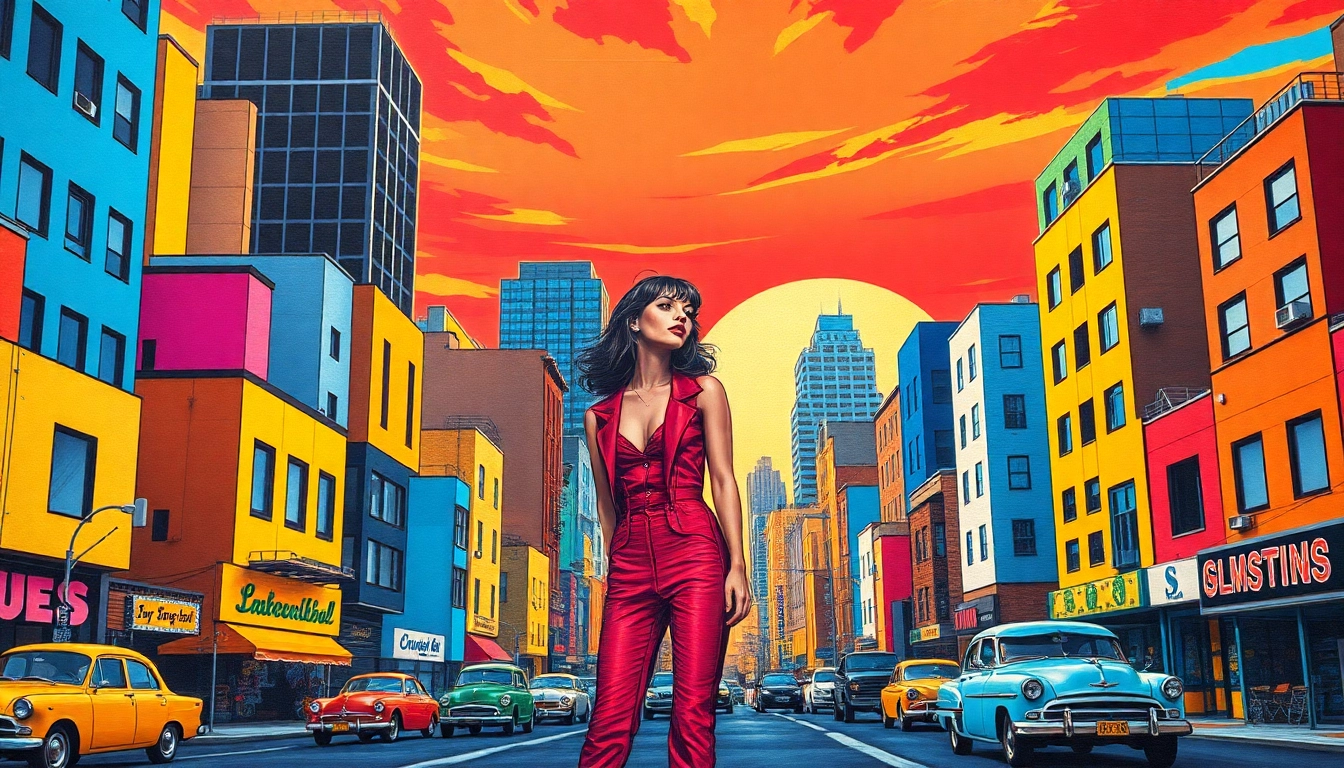
Color in pop art is not just a visual element; it’s a fundamental component that evokes emotions and reactions. The energetic use of color can create a sense of joy, confusion, or urgency based on the composition. For instance, a canvas dominated by warm colors can evoke energy, while cooler tones might foster calmness.
Composition is equally critical in guiding the viewer's eye across the artwork. The arrangement of images, use of space, and interplay of various elements help convey the message or theme of the piece. Pop artists often employ techniques like repetition, juxtaposition, and fragmentation to engage viewers, encouraging them to reconsider their perceptions of everyday objects and media.
Finding Your Ideal Pop Art Canvas
Defining Your Aesthetic and Theme
When contemplating a pop art canvas for your space, the first step is to define your aesthetic and theme. This will serve as a foundation for selecting art that resonates with your personal style and the overall atmosphere of your environment.
Consider the mood you want to establish. Are you aiming for a fun and playful vibe, or something more thought-provoking and ironic? Think about existing colors in your space and how you want the art to complement or contrast those hues. Popular themes within pop art can range from iconic celebrity portraits to playful takes on everyday objects and food items.
Choosing the Right Size and Scale
Size and scale are crucial factors in how art is perceived within a space. A large pop art canvas can become a focal point in a room, while smaller pieces are suited for intimate spaces or gallery walls. When selecting the size, consider the proportions of the wall and the surrounding furniture. As a general rule of thumb, aim for canvases that fill approximately two-thirds of the wall area for the most visually appealing effect.
Additionally, think about the viewing distance. Larger pieces work well in spacious areas where viewers can appreciate the details from afar, while smaller works can be more personal, inviting closer inspection.
Tips for Selecting Quality Materials
The longevity and quality of your pop art canvas are determined not only by the artwork but also by the materials used. When selecting prints or originals, look for canvases made from high-quality cotton or linen, which provide a solid base for vibrant colors.
In addition to the canvas material, consider the type of ink used for printing. Pigment-based inks tend to offer greater longevity and resistance to fading compared to dye-based inks. Finally, ensure that your canvas is mounted on a sturdy frame for support and ease of hanging.
Displaying Your Pop Art Canvas Effectively
Best Practices for Wall Placement
Once you've selected the perfect pop art canvas, the next step is to think about its placement. Wall placement vastly influences how the artwork is perceived in your space. For most standard artworks, aim for a center height of 57 to 60 inches from the floor, allowing it to align with the average eye level.
Additionally, consider the surrounding decor when choosing a location. Ensure that the canvas pairs harmoniously with the other design elements, such as furniture, wall color, and light fixtures. Art should feel integrated into the space rather than an afterthought.
Creating a Gallery Wall with Pop Art Canvas
A gallery wall is a fantastic approach to showcasing multiple pieces of pop art and creating a dynamic visual impact. Start by choosing a central piece around which other artworks will be arranged. Consider a mix of different sizes and formats to create interest and depth.
When laying out your gallery wall, use painter's tape to outline the arrangement on the wall before hanging. This allows you to visualize the final look without making unnecessary holes. Remember to maintain uniform spacing between each piece, generally around 2 to 4 inches, depending on the size of the artworks.
Lighting Techniques to Enhance Your Canvas
Proper lighting can significantly enhance the aesthetic appeal of your pop art canvas, helping to bring out colors and details. Consider using spotlights or track lighting to create focused illumination on the artwork. Additionally, soft ambient lighting can complement and create a warm atmosphere.
Adjusting the angle and intensity of the light will help reduce glare and reflections, allowing for a clearer view. When displaying multiple canvases, consider layered lighting that highlights each piece's unique aspects without overwhelming the overall visual appeal.
Caring for Your Pop Art Canvas
Regular Maintenance Tips
Maintaining the condition of your pop art canvas is essential for preserving its visual appeal and value. Regular dusting with a soft brush or microfiber cloth can prevent dirt accumulation without damaging the surface. Avoid using cleaning products or water directly on the canvas, as these can lead to discoloration and damage.
If the canvas becomes stained or soiled, consult a professional artwork conservator who specializes in canvas care to ensure that it receives the appropriate treatment.
Preserving Colors and Textures
Over time, colors can fade due to exposure to sunlight or harsh environmental conditions. To preserve the vibrancy of your pop art canvas, consider placing it out of direct sunlight or using UV-protective glass if the canvas is framed. Maintaining a stable indoor temperature and humidity level will also contribute to the artwork’s longevity.
For textured elements, be cautious of any handling, as oils and grime from fingers can affect the surface quality. Wash your hands before touching the canvas, and consider wearing gloves if it’s necessary to handle the piece during maintenance.
Dealing with Common Damage Issues
Even with careful handling, common issues can affect pop art canvases, such as scratches, dents, or fading. For minor dents or creases, gently applying heat with a hairdryer (on a low setting) while reshaping the canvas can often rectify the issue. If the surface is scratched, professional restoration may be needed to blend the affected area with the surrounding texture.
In cases of significant damage, involving a conservator with experience in modern art is always the best route. This ensures that the integrity of the original artwork is respected and preserved for the future.
Current Trends in Pop Art Canvas
Innovative Themes in Modern Pop Art Canvas
Modern pop art is continuously evolving, embracing new themes drawn from contemporary culture, technology, and social issues. Artists today are experimenting with themes that reflect political commentary, environmental awareness, and cultural identity.
This evolution provides fresh perspectives on traditional motifs, promoting dialogues about pressing issues while maintaining the playful and vibrant character of pop art. Themes like digital culture, social media influences, and lifestyle changes are common, adapting the pop art aesthetic to resonate with new generations.
Virtual Reality and Pop Art Canvas Interactions
The integration of technology has brought about innovative intersections between pop art and virtual reality (VR). Artists are exploring immersive experiences where audiences can engage with digital installations or interactive canvases. This technological incorporation not only broadens the reach but also alters how art is experienced, inviting audiences into dynamic worlds that merge reality with art.
VR experiences can provide interactive tours through virtual galleries, where users become parts of the narrative, making art accessible in ways previously unimaginable. This blend of pop art with technology resonates, especially with younger audiences who are more inclined toward multimedia experiences.
Sustainable Practices in Pop Art Canvas Production
The growing concern for the environment has influenced how artists and producers create pop art canvases. Sustainable practices are becoming more prevalent, from sourcing eco-friendly materials to using low-impact printing techniques. Artists are increasingly aware of their carbon footprint and are championing sustainability through their work.
Utilizing recycled materials, organic substances, and water-based inks can significantly reduce environmental impact while offering unique textures and aesthetics to the artwork. The integration of sustainability into the pop art canvas production process not only reflects a commitment to art but also to the planet, resonating with eco-conscious consumers.