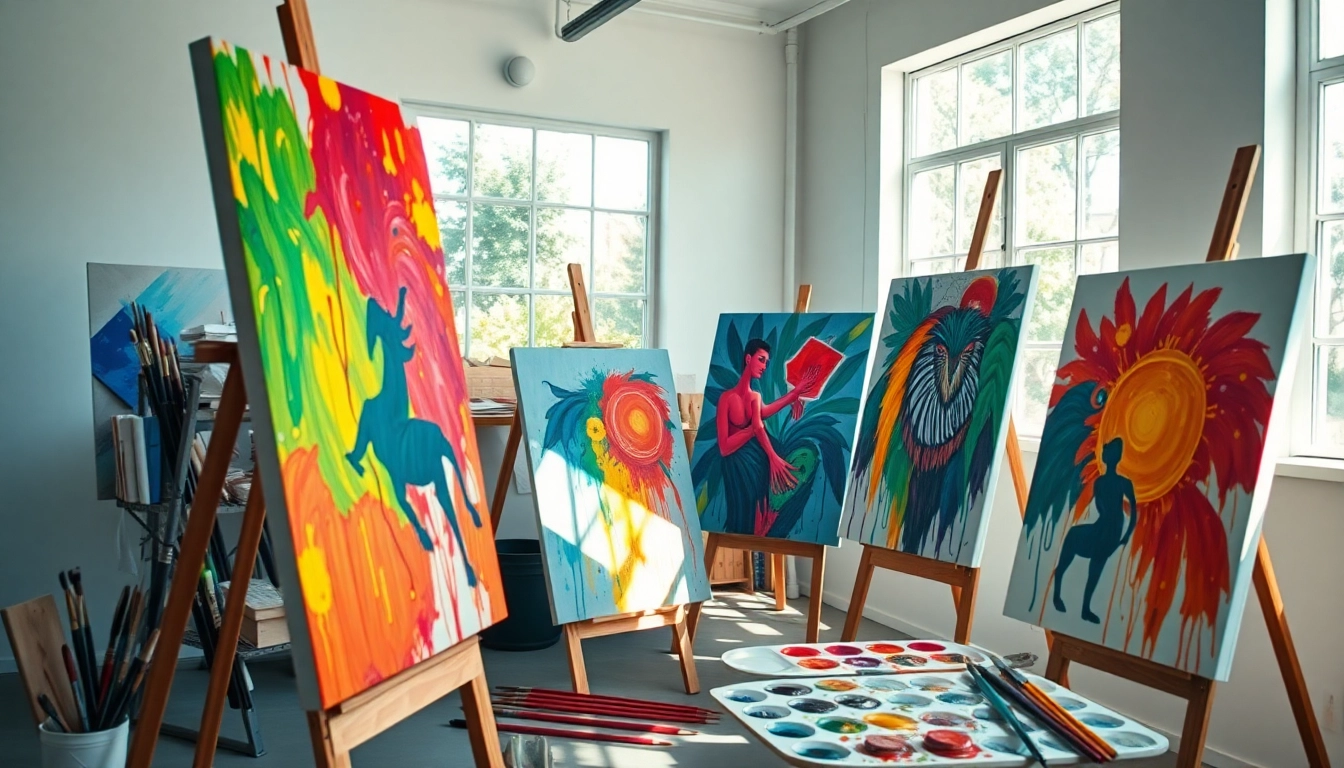
Acrylic painting has experienced a surge in popularity among artists, both novice and experienced alike. Known for its versatility, vibrant colors, and quick drying time, acrylic paint has established itself as a favored medium in the art community. Whether you are picking up a paintbrush for the first time or looking to hone your skills, understanding the nuances of acrylic paint can elevate your artistry. For comprehensive insights on everything related to acrylic, check out https://acrylicpedia.com.
Understanding Acrylic Paint
Types of Acrylic Paints
Acrylic paints come in various forms, offering different consistencies and effects. Here are the main types:
- Student-Grade Acrylics: These are affordable, offering less pigment concentration than professional-grade paints. Ideal for beginners, they provide a good starting point for experimentation.
- Professional-Grade Acrylics: These feature a higher pigment concentration, resulting in vibrant and long-lasting colors. Artists who seek depth and subtlety often prefer these superior paints.
- Acrylic Gouache: Combining the qualities of gouache and acrylic, this paint dries to a matte finish. It's excellent for designs needing flat colors without gloss.
- Acrylic Inks: These liquid pigments are designed for fine detail work and can be used in airbrushes. They dry quickly and can be diluted with water.
Comparing Acrylic vs. Oil Paint
When comparing acrylics to oils, several critical differences emerge:
- Drying Time: Acrylic paint dries much faster than oil paint, making it easier for artists to layer colors without long waits. This quick drying time, however, can be a double-edged sword, as it can make blending more challenging.
- Water Solubility: Acrylics are water-soluble, meaning you can clean your brushes with soap and water easily. Oil paints require solvents like turpentine for cleaning.
- Finish: Acrylics typically have a glossy or satin finish unless matte mediums are added, while oil paints have a more luminous matte finish that deepens over time.
- Health Considerations: Acrylics are considered safer for use at home due to their non-toxic nature compared to oils, which often contain harmful solvents.
Common Uses of Acrylic
Acrylic paints are highly versatile and can be used across multiple applications:
- Canvas Painting: The most popular use, allowing for various techniques and styles.
- Mixed Media: Acrylics can be combined with other mediums like watercolor and ink, making them ideal for mixed media art.
- Sculpture: Artists often use acrylics for mixed media sculpture due to their adaptability and adherence to various surfaces.
- Craft Projects: Acrylic paint is widely used in DIY crafts due to its wide color range and easy application.
Essential Tools for Acrylic Painting
Brushes and Their Purposes
The right brushes can dramatically improve your painting outcomes. Acrylic painters typically use:
- Flat Brushes: These are ideal for making bold strokes and filling in large areas of color.
- Round Brushes: Perfect for detail work, these brushes can create both thin lines and thicker strokes.
- Filbert Brushes: A combination of round and flat brushes, filbert brushes are beneficial for blending.
- Fan Brushes: Great for texture effects, ideal for painting leaves or hair.
Choosing the Right Palette
The palette you choose can affect your mixing techniques:
- Glass Palettes: Easy to clean and allows for smooth mixing, making them a favorite among professional artists.
- Paper Palettes: Disposable palettes are convenient for quick projects and easy cleanup.
- Plastic Palettes: Durable and often feature wells for mixing paint.
Canvases and Surfaces
Acrylic paint can be used on various surfaces, including:
- Canvas: Either stretched or boards, canvases are the traditional choice for acrylic painting.
- Wood Panels: A rigid surface that can give different textures than canvas.
- Paper: Specially prepared paper can withstand acrylic mediums without buckling.
- Fabric: With the correct preparation, you can even use acrylics on textiles to create unique wearable art.
Techniques for Beginners
Basic Brush Techniques
Getting familiar with brush techniques is crucial for acrylic painting:
- Dry Brush: This technique involves using a dry brush with minimal paint to create a scratchy, textured effect.
- Washing: A diluted layer of color lays a translucent glaze over a surface, enhancing the underlying colors without covering them.
- Stippling: Using a brush with a flicking motion to create dots can add detail and texture.
Layering Techniques Explained
Layering is essential in acrylic painting for creating depth:
- Glazing: Thinning paint with a medium and applying it in layers allows for luminosity.
- Scumbling: A technique where a dry brush is used to apply a thin layer of opaque or semi-opaque paint over a dry layer.
- Blocking In: Starting by applying broad patches of color to establish a base before adding finer details.
Blending Colors Effectively
Blending is paramount for creating smooth transitions in your artwork:
- Wet-on-Wet Blending: This involves blending colors on the canvas while both are wet to achieve gradient effects.
- Wet-on-Dry Blending: Adding wet paint to a dried layer can provide control over the blending process.
- Using Mediums: Certain mediums can modify the texture of the paint, making blending easier or enhancing luminosity.
Common Challenges in Acrylic Painting
Dealing with Streaks and Flaws
Streaks can be frustrating but manageable:
- Use a Blending Medium: Adding a gel or slower drying medium can help minimize streaks.
- Feathering Technique: Use a clean brush to gently blend the edges of the streaked area.
- Layering: Allow each layer to dry fully before applying subsequent layers to avoid unwanted mixing.
How to Avoid Tacky Paint Issues
Tacky paint can ruin the finish of your artwork:
- Control your environmental factors: High humidity or low airflow can lead to tackiness; ensure good ventilation and adequate drying time.
- Choosing Proper Mediums: Use special drying mediums that can help speed up the drying process.
- Thin Layers: Apply multiple thin layers of paint rather than one thick layer to facilitate quicker drying.
Extending Drying Time
Sometimes, you might want to slow down the drying time for blending:
- Using Retarders: These are mediums designed to extend the drying time of acrylic paint without altering its consistency.
- Working in Cooler Temperatures: Lower temperatures can help slow drying time naturally.
- Keeping the Paint Covered: When not in use, cover your palette to retain moisture in the paint longer.
Advancing Your Acrylic Skills
Mixing Unique Colors
Mixing your own colors can lead to distinctive artwork:
- Color Wheel Knowledge: Understanding primary, secondary, and tertiary colors will help you create the exact hue you need.
- Experimentation: Mix different paint brands and types to discover unique shades and textures.
- Keep a Color Journal: Document your mixes and the ratios used for future reference.
Experimenting with Mixed Media
Acrylics work well with various media, leading to exciting results:
- Incorporating Textures: Collage materials or pastes can add dimensions and interest to your paintings.
- Combining with Other Paints: Use acrylics alongside oil pastels or watercolors for depth and layering effects.
- Engaging with Found Objects: Incorporate items like leaves, fabric, or even photographs to enrich the narrative quality of your work.
Participating in Community Challenges
Getting involved in community activities can foster growth:
- Local Art Shows: Submit your work and receive feedback from peers and critics.
- Online Challenges: Social media platforms (like Instagram) often host monthly art challenges that encourage participation.
- Collaborative Projects: Teaming up with other artists on group projects can provide new perspectives and techniques.