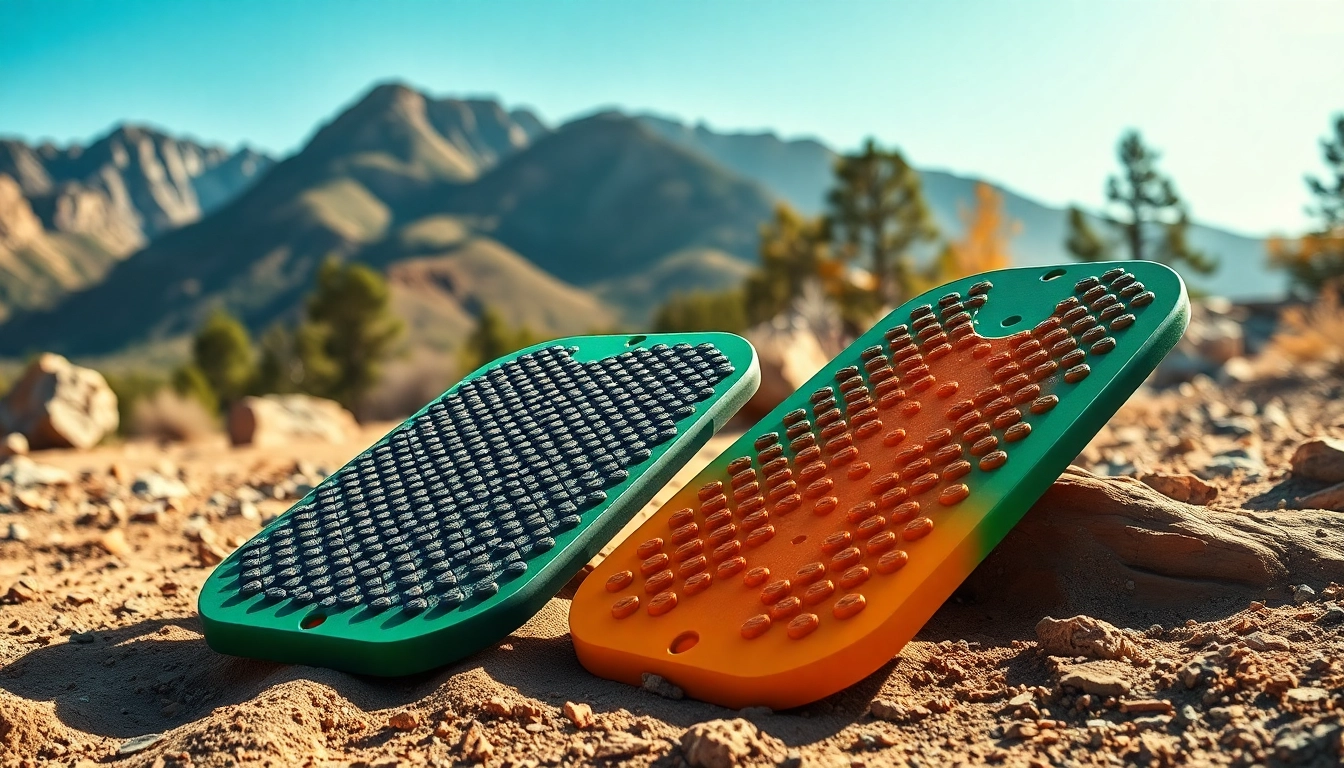
Understanding Recovery Boards
What Are Recovery Boards?
Recovery Boards are essential tools designed to aid vehicles during recovery operations in off-road conditions. Typically constructed from high-strength materials, they provide traction and stability when a vehicle is mired in mud, sand, or snow. The boards create an augmented driving surface that enables wheels to gain traction and helps vehicles escape precarious situations. Their simplicity and effectiveness are what make them indispensable in off-road adventures.
Importance of Recovery Boards in Off-Roading
In the world of off-roading, getting stuck is a common occurrence, and it can often lead to stressful situations. Recovery Boards play a critical role in addressing these issues. By providing additional grip, they allow for swift extrication from tricky situations without the need for winches or tow trucks. The advantages of having Recovery Boards are particularly significant when traversing treacherous terrains, such as desert dunes or glacier fields, where traditional recovery methods may not be feasible.
Types of Recovery Boards Available
Recovery Boards come in several varieties, each designed to meet different terrain needs and vehicle specifications. Common types include:
- Plastic Recovery Boards: Lightweight and portable, ideal for easy handling.
- Metal Recovery Boards: More durable and capable of handling heavier vehicles, though they are heavier.
- Multi-functional Boards: These double as shovels or can be combined with other off-road tools.
Choosing the right type of board can greatly affect the efficiency of your recovery efforts.
How to Choose the Right Recovery Boards
Key Features to Consider
When selecting Recovery Boards, several key features should be taken into account:
- Length: Longer boards provide more surface area for better traction.
- Tread Pattern: The design of the treads can impact grip and performance; deeper treads enhance traction significantly.
- Weight Capacity: Ensure the boards can support your vehicle’s weight, especially if you’re using a heavier, off-road type.
Material Options and Their Benefits
Material quality is paramount in Recovery Boards. Here are the main types of materials used:
- High-Density Polyethylene (HDPE): This is a common choice for Recovery Boards due to its durability, resistance to weather elements, and lightweight nature.
- Aluminum: Offers excellent sturdiness and longevity, making it ideal for recovery in challenging conditions.
- Reinforced Plastic: Blends lightweight advantages with added structural integrity, balancing portability and performance.
Weight and Size Considerations
The weight and dimensions of Recovery Boards play a significant role in usability. For instance, boards that are too heavy can be cumbersome to handle, while overly compact boards may lack sufficient support. The ideal size should be manageable yet substantial enough to provide a solid base for vehicle traction.
Best Practices for Using Recovery Boards
Proper Setup Techniques
Using Recovery Boards effectively is key to their performance. Begin by positioning the boards in front of the drive wheels. Make sure to angle them slightly if you are on a slope—this angle helps catch the wheels better as they try to gain traction. The surface where you place them must also be relatively firm; soft sand may require you to dig the boards slightly into the ground for optimal results.
Common Mistakes to Avoid
Even experienced off-roaders can make mistakes. Here are some common pitfalls to avoid:
- Incorrect Placement: Failing to position the boards properly can hinder recovery efforts.
- Ignoring Tread Depth: Using boards with inadequate tread can lead to slippage.
- Excessive Speed: Rushing through recovery can cause additional vehicle injuries.
How to Maintain Your Recovery Boards
Maintenance of your Recovery Boards ensures longevity and reliability. After each use, inspect the boards for cracks or signs of wear. Clean them with soap and water to remove any mud or debris, which can collect and affect performance during subsequent uses. Additionally, store them in a cool, dry place away from direct sunlight to prevent material degradation.
Real-Life Applications of Recovery Boards
Successful Recovery Scenarios
Recovery Boards have proven invaluable in various recovery scenarios. For instance, off-road enthusiasts venturing into sandy areas often find themselves stuck. A group of friends utilizing Recovery Boards can pull together to perform a synchronized recovery effort, illustrating the teamwork and efficiency that these devices can facilitate.
User Experiences and Testimonials
Users collectively highlight the importance of Recovery Boards in their off-roading experiences. Many attest to occasions where these boards made the difference between a successful recovery and a stranded vehicle, showcasing their practicality and reliability.
Case Studies of Impact in Off-Roading
There are notable case studies where the introduction of Recovery Boards has vastly altered participants' experiences. For example, during an off-road rally, one team utilized Recovery Boards to navigate a particularly muddy stretch, allowing them to complete the course significantly faster than competitors who relied solely on traditional recovery methods.
Frequently Asked Questions
How do Recovery Boards work?
Recovery Boards elevate the vehicle's tires above the soft substrate, providing traction to facilitate movement. They ensure the wheels can grip the ground and help the vehicle to roll out of trouble.
Can I use Recovery Boards on snow?
Yes, Recovery Boards are effective on snow as they help create a solid surface for tire traction, which is essential in slippery conditions.
How to store Recovery Boards properly?
Store Recovery Boards in a cool, dry place away from direct sunlight. Keep them clean and dry to avoid material breakdown and ensure they are ready for use when needed.
What vehicles benefit most from Recovery Boards?
Recovery Boards are particularly beneficial for all-terrain vehicles, SUVs, trucks, and any off-road vehicles that traverse challenging terrains.
How long do Recovery Boards typically last?
With proper care and maintenance, Recovery Boards can last for several years, depending on their usage frequency and the conditions they encounter.