Cultural Richness of Dubai City
Historical Context
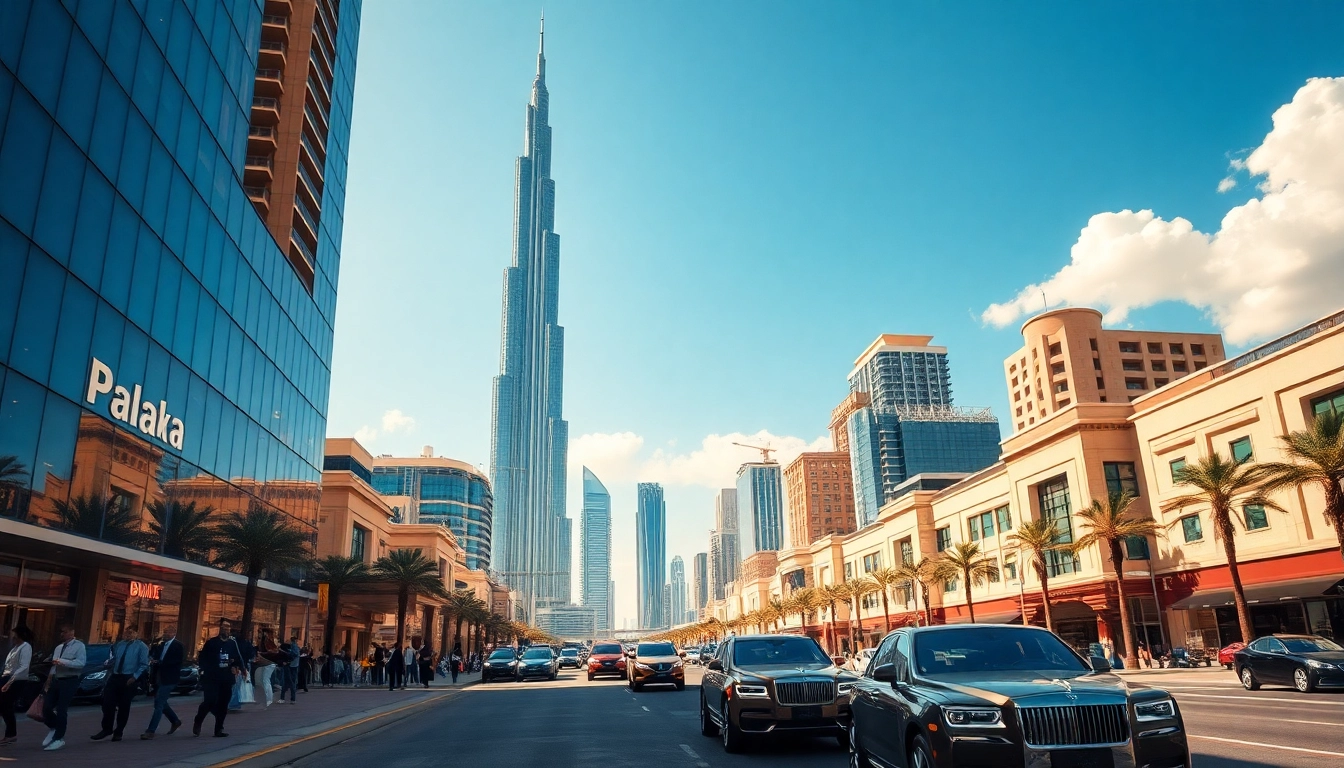
The rich tapestry of Dubai City is woven with threads of history that date back to ancient times. Originally a modest fishing settlement, the area saw its first significant economy emerge from pearling. With the influx of trade in the 19th century, Dubai City transformed dramatically, evolving into a bustling port that attracted traders from near and far. The discovery of oil in the mid-20th century catalyzed its development into the modern metropolis we recognize today. Iconic structures like the Burj Khalifa and the Palm Jumeirah illustrate this dramatic evolution, juxtaposing Dubai City's humble beginnings with its status as a world-class global hub.
Traditional Practices
Despite its rapid modernization, Dubai City has maintained many of its traditional practices that carry immense cultural significance. The historic Al Fahidi neighborhood, for example, showcases a plethora of art galleries, cafés, and cultural sites that echo the city’s heritage. Traditional Emirati attire, such as the kandura for men and the abaya for women, is commonly worn, reflecting both fashion and a sense of identity. Cultural customs like falconry and camel racing are still upheld, and they attract considerable interest during festivals and events, helping solidify the community bonds that define Emirati culture.
Festivals and Celebrations
Dubai City is a melting pot of cultures, and this is brilliantly reflected in its festivals and annual celebrations. Events like the Dubai Shopping Festival and the Dubai Food Festival provide greater connectivity among diverse communities. The Islamic festivals such as Eid Al Fitr and Eid Al Adha are observed with considerable reverence, featuring prayers, communal meals, and charitable giving. Moreover, the New Year celebrations at the Burj Khalifa draw crowds from across the globe and are known for their breathtaking fireworks displays, marking a unique blend of local and international festivities.
Modern Lifestyle in Dubai City
Dining and Nightlife
The culinary scene in Dubai City is nothing short of extraordinary, offering a wide spectrum of dining options that cater to every taste. From luxury dining experiences led by world-renowned chefs in settings like the Burj Al Arab to vibrant street food options in Deira, the city presents an epicurean adventure for food enthusiasts. Furthermore, the nightlife is equally enticing, with upscale bars and clubs located in various hotels and along the bustling beachfront, enhancing the vibrant after-dark atmosphere that captives both locals and tourists alike.
Fashion and Shopping Trends
Shopping in Dubai City is perceived as an elite experience, where traditional souks exist alongside modern shopping malls. The iconic Dubai Mall is a shopper's paradise, hosting over 1,200 retail stores, ranging from high-end luxury brands to popular high-street labels. During the Dubai Shopping Festival, incredible discounts and unique experiences amplify the shopping culture. Moreover, the rise of local designers in recent years reflects a growing appreciation for Emirati fashion, showcasing traditional dress with modern aesthetics, which resonates with both locals and expatriates.
Health and Fitness Culture
Dubai's health and fitness culture is rapidly expanding, as residents increasingly prioritize wellness. Extensive investment in outdoor spaces has led to the establishment of numerous parks and walking trails, encouraging an active lifestyle. Additionally, state-of-the-art fitness centers and wellness studios pepper the city landscape, offering everything from yoga classes to personal training sessions. Community events like fun runs and fitness challenges foster camaraderie and inspire a strong sense of community among participants.
Educational Opportunities in Dubai City
Schools and Universities
Education in Dubai City is a priority, evident by the diverse range of international schools established throughout the area. Institutions such as the Dubai American Academy and the Jumeirah English Speaking School serve expatriate families with curricula that mirror their home systems. Additionally, higher education institutions, like the University of Dubai and American University in Dubai, offer robust programs that attract both local and international students, ensuring the educational landscape remains dynamic and competitive.
Vocational Training Options
Recognizing the importance of vocational training, Dubai City offers various options aimed at equipping its workforce with practical skills. Numerous institutions provide courses ranging from hospitality management to technology and construction. Programs developed in collaboration with local industries help ensure that training aligns with market demands, ultimately enhancing employment prospects and productivity within the Emirati economy.
International Programs
Dubai's educational landscape is enriched by its international programs, attracting global students who seek a multicultural learning environment. Programs such as the British, American, and International Baccalaureate offer diverse educational paths. Furthermore, universities often facilitate exchange programs and partnerships with foreign institutions, further broadening students' horizons and fostering international collaboration and understanding.
Economic Landscape of Dubai City
Business Environment
The business environment in Dubai City is characterized by a strong focus on innovation and entrepreneurship. Free zones that offer tax incentives and 100% foreign ownership have made Dubai a premier choice for global businesses. The government fosters a supportive ecosystem by providing resources, infrastructure, and initiatives aimed at attracting investment, solidifying its position as a crucial economic gateway between the East and West.
Investment Opportunities
Catering to investors of all kinds, Dubai City boasts a myriad of opportunities in sectors such as real estate, tourism, and technology. Notable initiatives such as the Dubai 2040 Urban Master Plan aim to enhance livability and sustainability, creating a favorable environment for investments. Additionally, the real estate sector continues to attract both domestic and expatriate buyers, with developments ranging from luxury apartments to commercial spaces.
Career Trends
As a rapidly growing economy, Dubai City offers diverse job opportunities across various fields including finance, technology, tourism, and healthcare. The labor market reflects an increasing demand for skilled professionals, especially in sectors such as IT and renewable energy. Moreover, regular job fairs and networking events create a vibrant platform for job seekers and employers to come together, promoting cross-pollination of ideas and talent.
Tourism and Attractions in Dubai City
Must-See Landmarks
Dubai City features some of the world's most recognizable landmarks, making it a must-visit destination for travelers. The Burj Khalifa, standing as a testament to modern architecture, offers breathtaking views from its observation decks. The Dubai Marina, with its towering skyscrapers and vibrant waterfront promenade, combines luxury living and leisure in perfect harmony. Equally compelling is the historic Dubai Creek, where visitors can experience the city’s rich cultural history through traditional boat rides.
Outdoor and Adventure Activities
Adventure enthusiasts will find much to love in Dubai City, from dune bashing in the Arabian desert to skydiving over Palm Jumeirah. Outdoor parks, such as Kite Beach and Al Quoz, offer a range of sports and recreational activities, making them popular spots for families. The city promotes a 'work hard, play hard' ethos, with outdoor golf courses and attractive hiking trails nestled within beautiful natural landscapes, providing the perfect balance between thrill and relaxation.
Cultural Institutions
Dubai City houses a rich array of cultural institutions that reflect its diverse heritage. The Dubai Museum, located in the Al Fahidi Fort, provides insights into the city's transformation from a pearl diving village to a thriving urban center. Equally significant is the Dubai Opera, which hosts a variety of music, dance performances, and theater productions, catering to the city's cosmopolitan audience. Moreover, numerous art galleries and cultural festivals echo the local commitment to fostering arts and creativity.
FAQs about Dubai City
What is the best time to visit Dubai City?
The best time to visit Dubai City is during the winter months, from November to March, when temperatures are milder and outdoor activities are more enjoyable.
Is it safe to travel to Dubai City?
Yes, Dubai City is considered very safe for travelers, with low crime rates and a strong police presence, making it a friendly destination for tourists.
What currency is used in Dubai City?
The currency used in Dubai City is the United Arab Emirates Dirham (AED), which is the standard currency for all transactions.
Are there public transportation options in Dubai City?
Yes, Dubai City has an extensive public transportation system, including the Dubai Metro, buses, and taxis, making it easy to navigate the city.
What languages are spoken in Dubai City?
The official language in Dubai City is Arabic, but English is widely spoken due to the city's expatriate population and is commonly used in business and tourism.