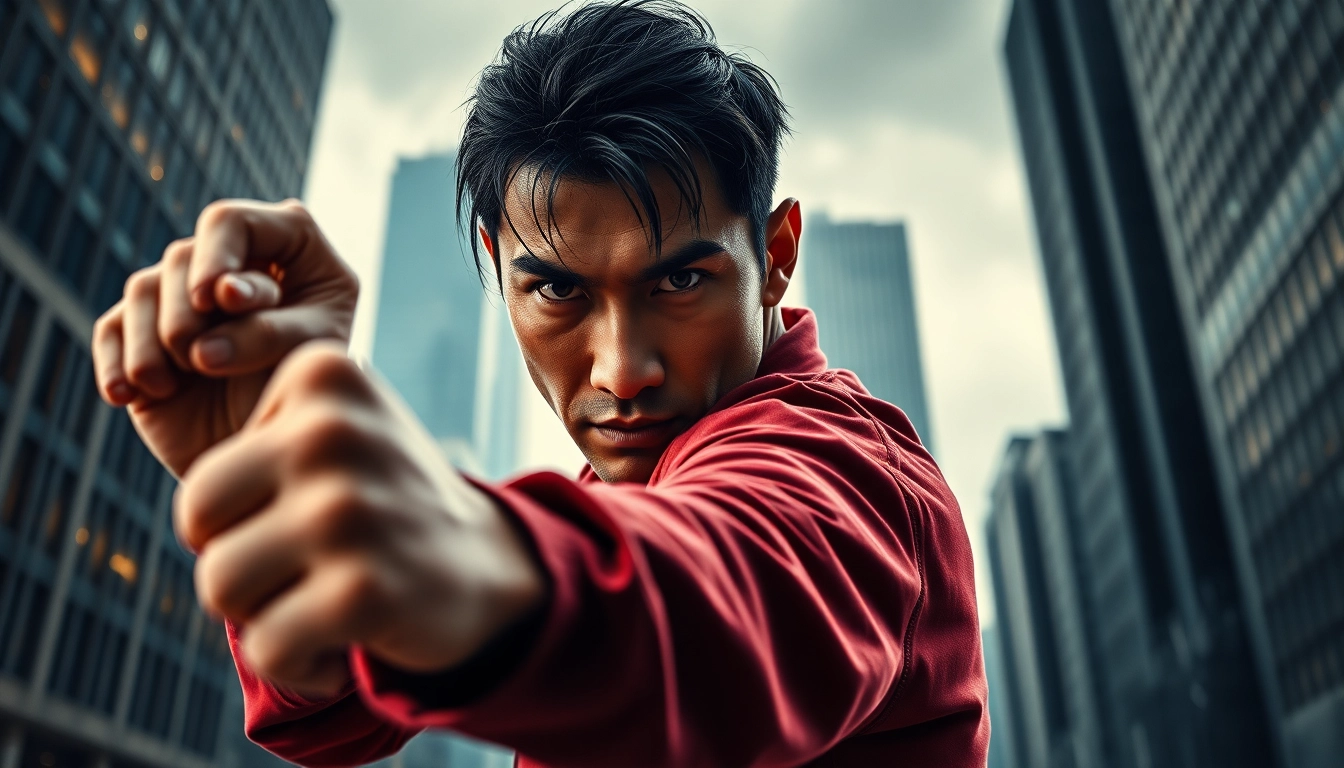
Understanding the Martial Arts Thriller Genre
The world of cinema is teeming with genres that captivate audiences, but few can match the adrenaline-pumping excitement of the Martial Arts Thriller. This hybrid genre uniquely combines the pulse-racing elements of thrillers with the choreographed action of martial arts, resulting in films that offer not just fight scenes but intricate plots laced with tension. In this article, we will dive deep into the essence of martial arts thrillers, reviewing their characteristics, historical context, and leading themes that continue to resonate with fans globally.
Defining Characteristics of Martial Arts Thriller
At the heart of any genre lies its defining characteristics. Martial arts thrillers fuse action-packed sequences with suspenseful storytelling, often featuring a lone hero who faces seemingly insurmountable challenges. These films typically showcase:
- Complex Fight Choreography: Unlike standard action films, the martial arts thriller places a significant emphasis on the artistry of fighting. Each encounter is crafted to not only showcase physical prowess but also to narrate a larger story.
- Character Development: Heroes and villains are often multifaceted, grappling with internal and external conflicts that add depth to the film. The protagonists are usually on a quest for redemption or revenge, making their stories relatable and engaging.
- Suspense and Tension: The thrill lies not just in the fighting but in the unfolding of a tense narrative filled with unexpected twists, making each battle all the more crucial to the outcome of the story.
- Stunning Locations and Cinematography: The settings often play a vital role in enhancing the narrative, with locations ranging from urban cityscapes to tranquil martial arts training grounds, all expertly captured through dynamic cinematography.
Historical Evolution and Influence
The roots of martial arts thrillers can be traced back to the mid-20th century, particularly focusing on the influence of Asian cinema. The advent of Hong Kong martial arts films, led by cinema legends like Bruce Lee, laid the groundwork for what would evolve into a complex genre. His film “Enter the Dragon” not only showcased martial arts but also merged it with the spy thriller format, establishing a new benchmark for action cinema.
This genre gained further traction in the late 1990s and early 2000s with the rise of influential films such as “The Matrix” and “Kill Bill.” These films seamlessly blended martial arts choreography with modern technology, exemplifying how the genre had grown and adapted to changing cinematic landscapes. The global influence of these films inspired a resurgence of interest in martial arts, propelling both Western and Eastern productions into the limelight.
Key Themes and Motifs
As with any film genre, martial arts thrillers engage with specific themes that resonate with viewers. Common motifs include:
- Redemption: Many protagonists seek redemption for past mistakes, turning to martial arts as a pathway to self-discovery and justice.
- Revenge: The quest for vengeance is frequently the driving force behind character motivations, fueling the narrative with passion and urgency.
- Honor and Loyalty: These themes often play a central role, showcasing the importance of allegiance and moral codes within martial arts traditions.
Must-Watch Martial Arts Thrillers
Classic Films That Defined the Genre
When examining the landscape of martial arts thrillers, it is essential to acknowledge the classic titles that formed the bedrock of this genre. These films not only showcased stellar fight choreography but also engaged audiences with compelling narratives:
- Enter the Dragon (1973): Directed by Robert Clouse, Bruce Lee’s iconic film blended martial arts with espionage, setting a standard for future thrillers.
- The Last Dragon (1985): This cult classic features a charming blend of martial arts and music, following a young fighter’s quest for self-discovery in urban America.
- Police Story (1985): Jackie Chan's groundbreaking work that masterfully incorporated stunts and humor into a thrilling narrative, solidifying his status as a martial arts legend.
Modern Hits and Global Contributions
The genre has seen a remarkable evolution, with recent films contributing both culturally and financially to the cinematic landscape:
- The Raid: Redemption (2011): Hailed for its innovative fight choreography and pacing, this Indonesian film has influenced many modern action filmmakers worldwide.
- John Wick (2014): Incorporating martial arts within a neo-noir aesthetic, this franchise reinvigorated the action genre, blending shootouts with expertly choreographed hand-to-hand combat.
- Headshot (2016): Another Indonesian film that merges gripping storytelling with incredible martial arts choreography, showcasing the country's growing cinematic prowess.
Emerging Talents in Martial Arts Cinema
As the martial arts thriller genre continues to expand, new talents are emerging on the scene, often bringing fresh perspectives and styles:
- Iko Uwais: Known for “The Raid” series, Uwais showcases unique fighting styles and storytelling through his films.
- Jesse V. Johnson: His work emphasizes character-driven storytelling with riveting martial arts action, crafting new narratives for audiences.
- Michelle Yeoh: A driving force in martial arts cinema, her roles often intertwine themes of empowerment and resilience, inspiring a new generation of female martial artists.
The Art of Choreography in Martial Arts Thrillers
Elements of Effective Fight Scenes
Fight scenes in martial arts thrillers are not mere spectacles; they are vital narrative elements that propel the story forward. The effectiveness of these sequences can be attributed to several components, including:
- Believability: The fight choreography must reflect the characters' abilities and the story context, ensuring that scenes remain rooted in reality.
- Storytelling: Each fight should advance the plot or deepen character relationships, rather than existing solely as a standalone event.
- Visual Style: Different styles, such as wire work or practical effects, can greatly enhance the visual appeal, engaging the audience more deeply.
Choreographers Who Shaped the Genre
Behind every great fight scene is a talented choreographer who meticulously crafts each movement. Influential choreographers in the martial arts thriller genre include:
- Yuen Woo-ping: Renowned for his work in films like “The Matrix” and “Crouching Tiger, Hidden Dragon,” Woo-ping has set a high bar for martial arts choreography.
- Donnie Yen: A prolific actor and choreographer, his unique style has revolutionized how fights are designed and presented on screen.
- Chad Stahelski: Former stunt double known for choreographing the fight scenes in the “John Wick” franchise, creating a visual language that is both thrilling and cohesive.
Technological Advances in Action Sequences
In recent years, technology has significantly influenced the production of martial arts thrillers, enhancing the sophistication and execution of fight scenes. Techniques such as:
- Motion Capture: This technology allows for the creation of realistic and fluid choreography that can be enhanced digitally, bringing a new dimension to traditional martial arts.
- 3D Rendering: Helps visualize choreography before actual filming, allowing filmmakers to plan complex action sequences with precision.
- Virtual Reality: Encourages immersive experiences and in-depth training for actors before filming, ensuring they can handle the choreography more skillfully.
Performance Analysis of Iconic Martial Arts Actors
Profiles of Legendary Martial Artists
Certain iconic actors have defined the martial arts thriller genre, each bringing their unique flair and skills:
- Bruce Lee: Considered the father of modern martial arts on screen, Lee's philosophical approach and unmatched skill forever changed the portrayal of martial arts in cinema.
- Jackie Chan: Known for his comedic timing and unparalleled stunts, Chan has created a signature style that combines humor with martial arts thrills.
- Donnie Yen: A versatile actor and martial artist, Yen has showcased various styles, reinforcing his presence as a contemporary martial arts icon.
Acting Techniques and Physicality
The ability to blend performance with physicality defines great martial arts actors. The techniques they employ to convey emotions, even during intense action, include:
- Body Language: Actors utilize their physical presence to communicate emotions, making their fight scenes more impactful.
- Facial Expressions: An often overlooked aspect of fight choreography, expressions help convey emotional stakes during confrontations.
- Improvisation: Skilled martial artists may improvise during sequences, adapting to the flow of action to create more authentic interactions.
Impact on Martial Arts Thriller Narratives
The performances of martial artists not only elevate individual films but also contribute to the broader narrative structures within martial arts thrillers. Their physicality often informs the development of characters, revealing their motivations, strengths, and vulnerabilities. Such storytelling creates a rich tapestry that captivates audiences, bridging the gap between action and emotional storytelling.
Exploring Cultural Contexts in Martial Arts Thrillers
Global Perspectives and Adaptations
As the martial arts thriller genre has grown, it has adopted influences from various cultures, leading to unique adaptations. Films from countries such as China, Japan, South Korea, and even Western countries reinterpret traditional motifs, creating a richer global tapestry of storytelling. For example:
- Chinese Cinema: Often emphasizes themes of honor and loyalty, drawing from cultural values laid out by Confucian philosophy.
- Hollywood’s Adaptation: Merges the thriller aspects with high-tech elements and action-packed sequences, often favoring broader appeal for global audiences.
- Korean Cinema: Forces audiences to confront moral dilemmas, often incorporating societal issues alongside thrilling narratives such as in “Oldboy.”
Kung Fu as a Cultural Symbol
Within the martial arts thriller genre, Kung Fu transcends being a mere fighting style; it serves as a cultural symbol, representing resilience, endurance, and the pursuit of self-improvement. This symbolism not only enriches the narratives but also connects viewers globally to the deeper philosophies behind the art form. Kung Fu films have embedded these principles through iconic characters who must overcome personal challenges, illustrating the universal quest for mastery and inner peace.
Representation and Diversity in Storytelling
The representation of diverse stories and characters in martial arts thrillers is crucial in today’s cinematic climate. As globalization continues to blur cultural boundaries, filmmakers are increasingly exploring narratives that reflect a wider array of experiences and backgrounds, providing greater inclusivity in storytelling. Films are now depicting various ethnic backgrounds, gender identities, and cultural perspectives, contributing to a richer narrative fabric that resonates with a broader audience.
In conclusion, the martial arts thriller genre remains a dynamic and evolving landscape, drawing from rich historical roots and a tapestry of cultural influences. With thrilling choreography, compelling narratives, and groundbreaking actors, this genre continues to captivate audiences worldwide, promising an exciting future filled with fresh stories and innovative cinematic experiences.