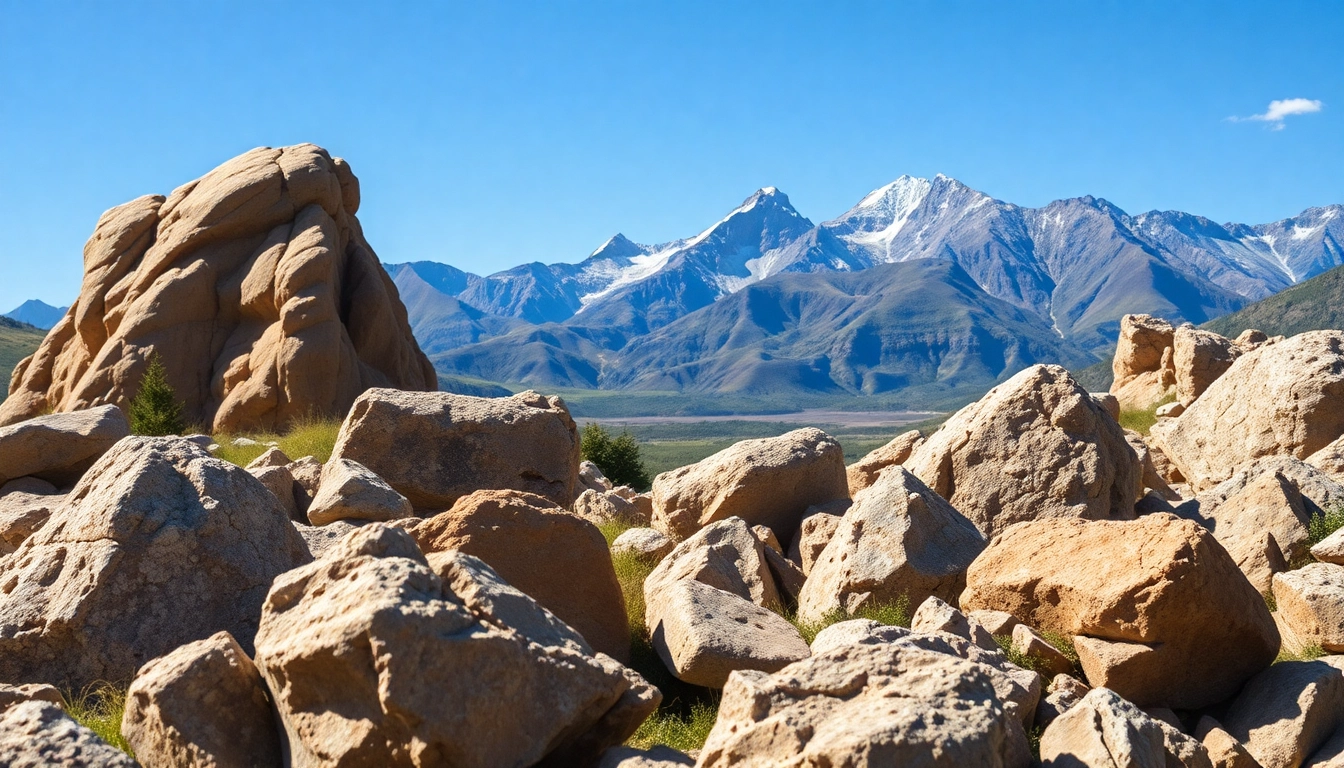
Introduction to Geology
Geology is an intricate and essential science that explores the Earth's physical structure, its composition, and the dynamic processes that have shaped it over millennia. By understanding the principles of geology, we can uncover valuable insights into our planet’s history, safeguard our environment, and inform sustainable practices for resource management. This article delves into the multifaceted world of geology, exploring its importance in our lives and the various branches that compose this vast field. We aim to offer a comprehensive view into geology, serving as a key resource for both budding enthusiasts and seasoned professionals.
Definition and Importance of Geology
At its core, geology is defined as the scientific study of the Earth. This discipline encompasses the examination of the materials that compose the Earth, the processes that act upon it, and the history that it has endured. The importance of geology cannot be overstated; it plays a crucial role in various sectors such as environmental protection, natural resource management, and understanding natural hazards. Additionally, knowledge of geological processes is instrumental in addressing challenges like climate change, land-use planning, and construction.
Historical Perspective on Geology
The history of geology dates back to ancient civilizations, where early scholars sought to explain the natural world around them. From Aristotle's rudimentary observations to the systematic studies of the earth carried out in the 18th and 19th centuries, the field has evolved significantly. The advent of plate tectonics in the mid-20th century catalyzed a revolution in geological thinking, integrating numerous findings into a coherent framework that enhances our understanding of earth's dynamics today.
Key Disciplines within Geology
Geology is a broad discipline that consists of several key branches, each focusing on different aspects of the Earth. Major disciplines include:
- Physical Geology: Understanding the materials and processes that shape the Earth's surface and interior.
- Historical Geology: Examining past geological events and their impact on current landscapes.
- Environmental Geology: Investigating the interactions between humans and the geological environment to promote sustainable practices.
- Engineering Geology: Applying geological knowledge to inform engineering projects and ensure stability.
Branches of Geology
Physical Geology and Earth’s Processes
Physical geology is central to understanding how the Earth behaves. It covers various processes such as volcanism, erosion, sedimentation, and tectonics. By examining these processes, geologists can predict potential hazards such as earthquakes and volcanic eruptions, contributing vital knowledge for disaster preparedness.
Historical Geology: Understanding Earth’s Past
Historical geology focuses on deciphering the chronology of Earth's development. This branch employs various methods, such as stratigraphy and radiometric dating, to build timelines of geological events. By understanding the past, we can better grasp the present habits of our planet and anticipate potential future changes.
Applied Geology: Engaging with Earth Sciences
Applied geology involves utilizing geological knowledge in practical scenarios, such as resource management, pollution monitoring, and land-use planning. By applying principles of geology, professionals can mitigate environmental impacts while making informed decisions about resource extraction, waste disposal, and urban development.
Geological Structures and Features
Understanding Rock Types and Their Formation
The Earth is composed of various types of rocks—igneous, sedimentary, and metamorphic. Each rock type has a unique formation process:
- Igneous rocks: Formed from the cooling and solidification of magma or lava.
- Sedimentary rocks: Created from the accumulation and lithification of sediment.
- Metamorphic rocks: Result from the alteration of existing rocks due to heat and pressure.
Understanding these formations allows geologists to interpret past environmental conditions, mineral resources, and landscape evolution.
Faults and Folds: Earth's Crust Dynamics
Earth’s crust is not static. It is laced with faults and folds that reflect tectonic forces at work. Faults result from fractures in rock where movement has occurred, while folds are bends in rock layers caused by stress. Both phenomena are essential in understanding seismic hazards, as they can lead to earthquakes.
Mineral Composition and Its Relevance
Minerals are the building blocks of rocks and are defined by their specific chemical composition and crystalline structure. The study of mineral composition is key to many geological investigations as it can inform us about the geological history of a region, the resources available within it, and the processes that formed them.
The Role of Geology in Society
Natural Resources and Environmental Geology
Geologists play a pivotal role in identifying and managing natural resources, including water, minerals, and fossil fuels. Understanding geological formations is essential for responsible extraction practices and environmental protection. Environmental geology also helps mitigate pollution and promotes the rehabilitation of contaminated sites.
Geology and Climate Change Impacts
Geology is critical in studying climate change impacts. Geologists analyze past climate conditions through sediment records and ice cores, providing vital insights into future trends. This knowledge can inform strategies for climate adaptation and mitigation, contributing to the resilience of communities and ecosystems.
Geology's Influence on Infrastructure
From skyscrapers to highways, geology significantly influences infrastructure development. Engineering geology uses geological assessments to ensure stable construction practices, while geological hazards—like landslides and earthquakes—inform the design and location of structures, ensuring safety and sustainability.
Future Directions in Geology
Technological Innovations in Geological Studies
The future of geology is promising, driven by advancements in technology. Innovations like remote sensing, GIS, and 3D modeling facilitate the exploration and analysis of geological phenomena, improving accuracy and reducing resource consumption in geological surveys.
Interdisciplinary Approaches and Collaborations
As global challenges become more complex, the need for interdisciplinary approaches in geology is critical. Collaborations with fields such as environmental science, urban planning, and public health foster comprehensive solutions, addressing issues like resource shortages and sustainability in urban areas.
Educational Trends and Career Opportunities
Education in geology is evolving, incorporating interdisciplinary methods and hands-on experiences to prepare future geoscientists. Career opportunities are expanding as demand for geologists grows in various sectors, including renewable energy, environmental consulting, and government agencies.
Frequently Asked Questions
1. What is Geology?
Geology is the scientific study of the Earth's solid structure, composition, and processes, which include the study of rocks and minerals, tectonics, and historical geological events.
2. What are the main types of rocks?
There are three main types of rocks: igneous, formed from cooled magma; sedimentary, formed from accumulated sediments; and metamorphic, formed from existing rocks altered by heat and pressure.
3. Why is geology important?
Geology is vital for understanding Earth’s processes, managing natural resources, predicting natural hazards, and addressing environmental issues related to human activity.
4. What are some careers in geology?
Careers in geology include geologist, hydrogeologist, environmental consultant, engineering geologist, and geophysicist, among others, with opportunities in various industries.
5. How can geology help with climate change?
Geology helps by understanding past climate patterns, assessing geological resources, and providing insights into adaptation and mitigation strategies against climate change challenges.