
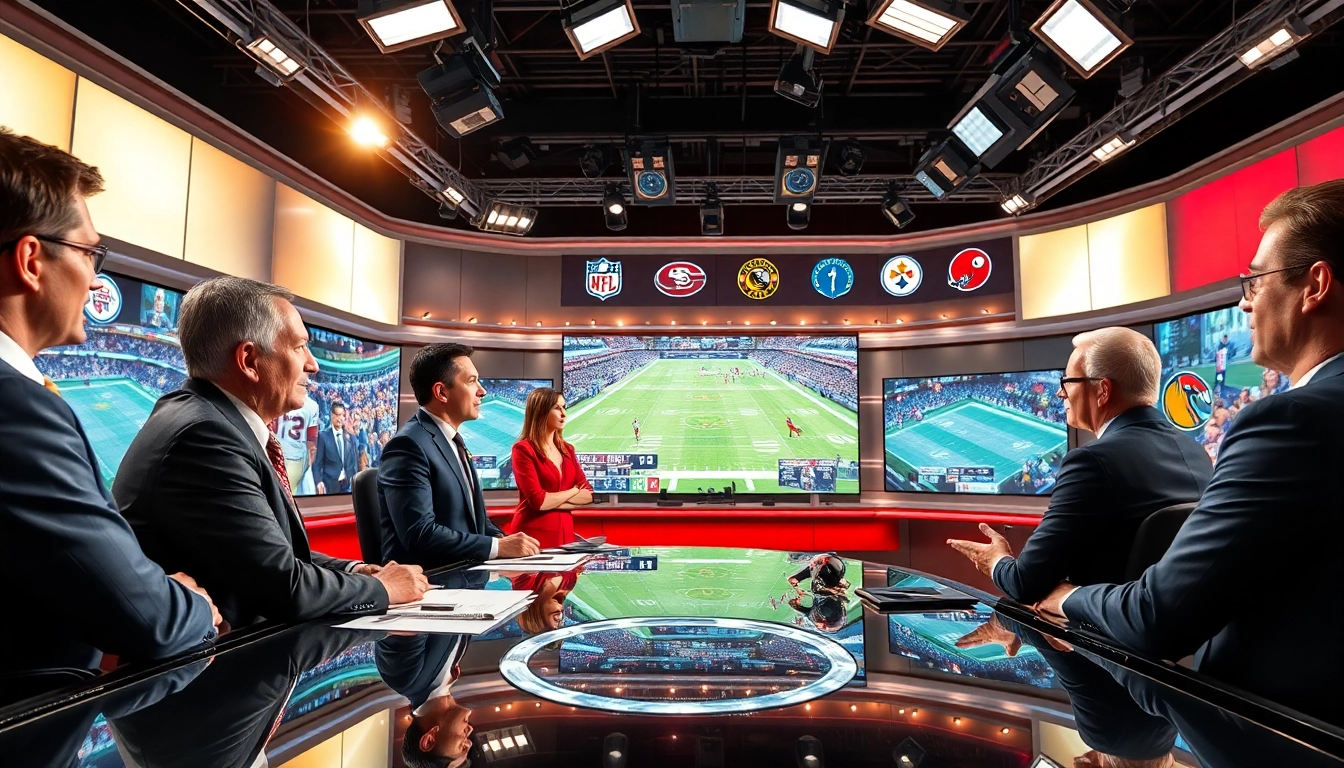
Understanding Sports Broadcasting Concepts
Basics of Sports Broadcasting
Sports broadcasting encompasses the recording and transmission of sporting events through various mediums, including television, radio, and online streaming services. This type of broadcasting serves not only to relay the event to viewers but also to engage them through commentary, analysis, and graphics that elaborate on the action occurring during the event. The goal is to create a captivating experience that keeps audiences informed and entertained. The evolution of media has transformed how we consume sports, fostering a deeper connection between fans and their favorite teams. For a comprehensive understanding, many enthusiasts turn to resources that delve deeper into Sports Broadcasting and its impact on entertainment.
Types of Sports Broadcasts
There are multiple forms of sports broadcasts, which can be classified into several categories:
- Live Broadcasts: These are real-time telecasts of games, which can be aired on television networks or streamed online.
- Post-Game Shows: These programs analyze the events of a game after its conclusion, featuring interviews, highlights, and expert commentary.
- Highlights Packages: Condensed summaries of key moments from games, often shared on social media platforms for quick consumption.
- Documentaries and Analysis Shows: In-depth storytelling pieces that explore teams, players, or moments in sports history.
Key Stakeholders in Sports Broadcasting
The sports broadcasting ecosystem consists of various stakeholders, each playing a pivotal role:
- Broadcasters: Companies or networks that transmit sports events to the public.
- Rights Holders: Organizations or leagues that own the rights to broadcast events, negotiating deals with broadcasters for distribution.
- Advertisers: Companies that sponsor broadcasts, seeking to engage audiences through targeted advertisements.
- Viewers: Fans who consume content across different platforms, influencing broadcasting strategies based on their preferences.
Technology's Impact on Sports Broadcasting
How Technology Transforms Content Delivery
The rise of advanced broadcasting technology has significantly altered the landscape of sports broadcasting. Innovations such as high-definition (HD) and ultra-high-definition (UHD) video formats have made it possible for audiences to experience unprecedented visual quality. Furthermore, technologies like 5G and satellite broadcasting allow for faster transmission, ensuring that fans receive the latest updates and live coverage with minimal delays. Immersive audio technologies, such as spatial sound, create a more engaging atmosphere, making viewers feel as though they are part of the action.
The Role of Streaming Services in Sports Broadcasting
Streaming services have revolutionized access to sports content, providing viewers with options beyond traditional cable packages. Services such as subscription-based platforms offer customized experiences, enabling fans to select specific sports or teams they want to follow. This democratization of content allows for a more personalized viewing experience, catering to diverse audience preferences. Moreover, partnerships between leagues and streaming services have led to exclusive content agreements, elevating the stakes in the competitive broadcasting market.
Emerging Technologies: AR and VR
Augmented Reality (AR) and Virtual Reality (VR) are increasingly being integrated into the sports broadcasting realm. AR enhances the viewing experience by overlaying digital graphics on live broadcasts, providing real-time statistics or player information directly onto screens. On the other hand, VR immerses fans in simulated environments, enabling them to experience events from unique perspectives, such as behind-the-scenes or from a court-side seat. As these technologies continue to evolve, they promise to further transform how sports content is consumed and experienced.
Challenges Faced in Sports Broadcasting
Licensing and Rights Management
Navigating the complexities of licensing and rights management is a significant challenge in the sports broadcasting industry. Rights holders must negotiate contracts that maximize their revenue while ensuring that broadcasters maintain viewership. Licensing agreements can become contentious, with negotiations often leading to disputes over revenue sharing. These conflicts can affect how and if certain games are broadcasted, impacting fans' access to their favorite sports.
Adapting to Changing Consumer Behaviors
As consumer preferences shift towards on-demand content, broadcasters must adapt to remain relevant. Audiences increasingly favor flexibility, often opting for streaming options over traditional broadcasting. This trend forces broadcasters to find innovative ways to engage audiences, including the implementation of interactive programming and multi-platform strategies that cater to the on-the-go viewer. Failure to adapt can lead to a decline in viewership and engagement.
Technical Issues and Solutions
Technical challenges, such as broadcast outages or production errors, can disrupt the viewing experience. To mitigate these risks, broadcasters invest in robust infrastructure and backup systems to ensure seamless streaming and quality delivery. Furthermore, continuous training for technical staff on the latest technologies plays a crucial role in maintaining broadcast quality and reliability. Broadcasting companies must prioritize these areas to offer an uninterrupted viewing experience.
Best Practices for Successful Sports Broadcasting
Creating Engaging Content
Content creation is at the heart of successful sports broadcasting. Engaging content goes beyond merely showing games; it involves crafting narratives that resonate with audiences, featuring in-depth analyses, player interviews, and behind-the-scenes stories. Producers should also focus on quality over quantity, ensuring that each piece of content offers value and insight to viewers. Utilizing social media to promote content can significantly increase reach and engagement.
Building Audience Interaction
Inviting audience interaction is essential for building loyalty within the viewer base. Broadcasters should leverage social media platforms and live polls to encourage fans to participate during broadcasts. Engaging audiences through Q&A sessions with analysts or on-field personalities enhances the sense of community and keeps viewers returning for more. Furthermore, using gamification techniques, like fantasy leagues or predictive polls during broadcasts, can elevate viewer interaction.
Analytics and Performance Metrics
In today’s data-centric world, measuring performance is vital for successful sports broadcasting. Analytics tools provide insights into viewer engagement, content performance, and demographics. Broadcasters can utilize metrics such as viewer retention rates, sample audience feedback, and social media engagement to adjust their programming and marketing strategies accordingly. By adapting to data insights, they can enhance content relevance and ultimately drive viewership.
Future Trends in Sports Broadcasting
Television vs. Streaming: What Lies Ahead?
The ongoing battle between traditional television and streaming platforms remains a hot topic in sports broadcasting. While traditional TV networks still command large audiences, evidence suggests that streaming services are capturing an increasing share of the market. The blend of both methods – offering televised events alongside streaming options – might emerge as the key strategy for broadcasters aiming to cater to diverse audience preferences while keeping up with technology.
Personalization in Sports Broadcasting
Personalization is becoming an increasingly important trend as fans desire tailored content experiences. By harnessing data analytics and viewer preferences, broadcasters can create custom viewing experiences that cater to individual fans’ interests. This can include personalized highlights, tailored notifications for important updates, and selected teams’ notifications, enhancing viewer satisfaction and engagement.
The Impact of Social Media
Social media plays a critical role in shaping sports broadcasting trends. Platforms such as Twitter, Instagram, and TikTok allow fans to engage with broadcasts in real-time, share reactions, and connect with others. Broadcasters can harness this engagement by integrating social media into their content, showcasing fan reactions or tweets during broadcasts, and creating shareable content that extends the reach of their programming beyond traditional boundaries.
Frequently Asked Questions
What is sports broadcasting?
Sports broadcasting involves the recording and transmission of sporting events through various media, including television, radio, and online platforms, to engage audiences with real-time coverage and analysis.
What are the main types of sports broadcasts?
Main types include live broadcasts, post-game shows, highlights packages, and documentaries, each serving to inform and entertain different audience segments.
How has technology impacted sports broadcasting?
Technology has transformed sports broadcasting by enhancing content delivery, improving video quality, and introducing new formats like streaming and immersive AR/VR experiences.
What are the challenges faced in sports broadcasting today?
Challenges include licensing and rights management, adapting to changing consumer behaviors, and handling technical issues during broadcasts.
What are best practices for successful sports broadcasting?
Best practices include creating engaging content, building audience interaction, and utilizing analytics to inform programming and marketing strategies for better viewer engagement.