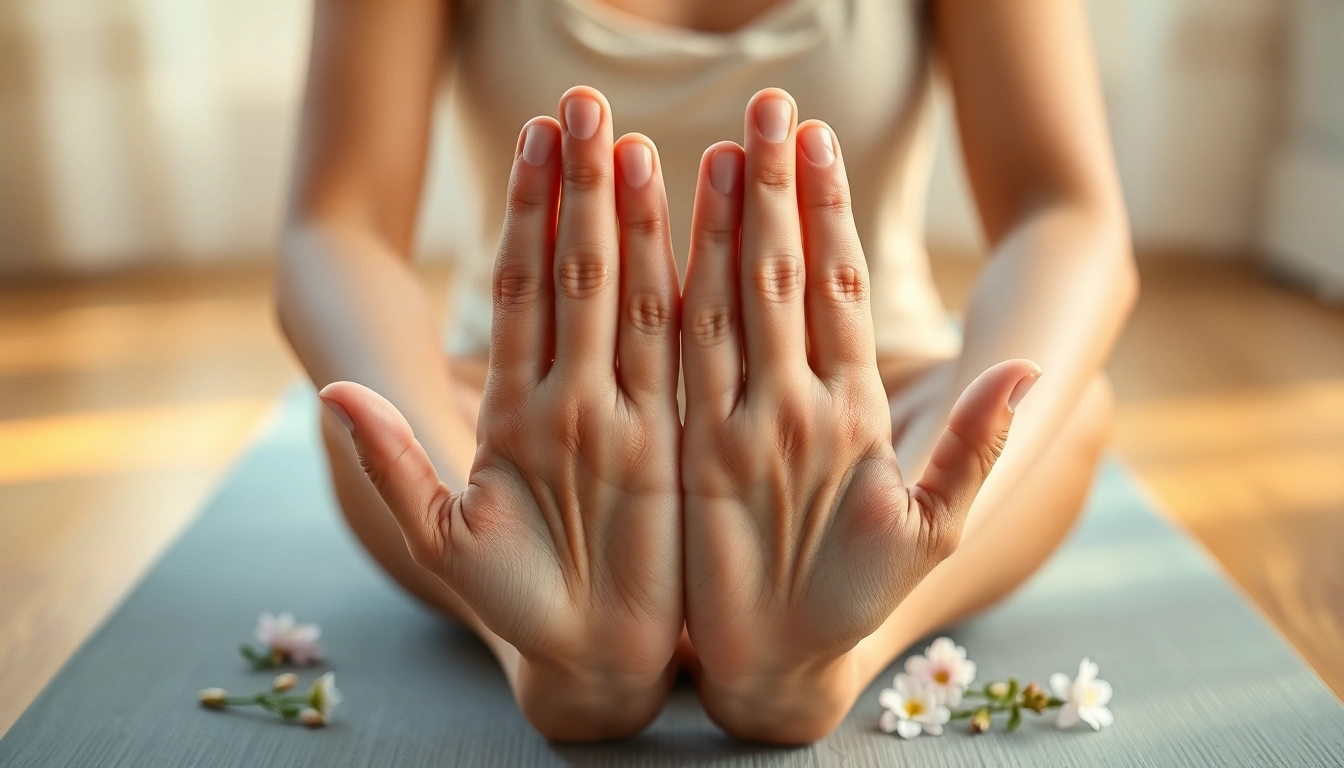
Introduction to Yoga Mudras
In the realm of yoga, an often-overlooked yet profoundly transformative aspect is the practice of yoga mudras. These gestures, which are deeply rooted in ancient traditions, serve as channels for human energy, facilitating various physical, mental, and spiritual outcomes. Understanding yoga mudras extends beyond mere hand movements; it involves recognizing how these gestures can influence our prana (life force), enhance our meditation practices, and contribute to holistic health. This article delves into the essence of yoga mudras, their historical context, benefits, types, and how to effectively integrate them into your daily routine.
What Are Yoga Mudras?
Yoga mudras are symbolic hand gestures or seals that exemplify the connection between the body, mind, and the universe. They are usually employed in yoga and meditation practices to optimize energy flow. Each mudra corresponds to specific mental states and physiological functions, acting as tools for focusing intention and enhancing the effectiveness of spiritual and physical practices. By creating a circuit of energy within the body, yoga mudras help to harmonize the internal and external energies, thus promoting tranquility, mindfulness, and well-being.
The Historical Context of Yoga Mudras
The practice of mudras can be traced back thousands of years to ancient Indian scriptures and texts, including the Vedas and Upanishads, where they were often associated with rituals and meditation to attain higher states of consciousness. The word "mudra" itself derives from Sanskrit, meaning "seal" or "gesture." The philosophy behind yoga mudras is significantly connected to the broader principles of yoga, particularly the concept of energy channels known as nadis and centers called chakras. Historical texts emphasize that when these mudras are applied correctly, they can lead not only to personal transformation but also to unlocking collective consciousness.
Benefits of Practicing Yoga Mudras
Practicing yoga mudras offers an array of benefits that span physical, mental, and spiritual domains. Below are some key advantages:
- Enhanced Concentration: Mudras stimulate brain functions, helping practitioners focus better during meditation and yoga sessions.
- Improved Health: Certain mudras can aid in the treatment of specific health issues, stimulating organ function and boosting the immune system.
- Emotional Balance: Yoga mudras can help in managing stress and anxiety, promoting a more stable emotional state by regulating the flow of energy.
- Spiritual Growth: Engaging with mudras deepens meditation practices, facilitating spiritual awakening and increased awareness.
- Physical Healing: Many mudras are believed to have therapeutic benefits, impacting bodily functions positively.
Types of Yoga Mudras
Hand Mudras and Their Significance
Hand mudras, being the most prominent type, are primarily used during meditation and yoga practices. Each hand position serves a unique purpose, geared toward channeling energy and achieving specific outcomes. Some widely recognized hand mudras include:
- Gyan Mudra: Touching the tip of the index finger with the thumb, this mudra is associated with knowledge, wisdom, and mental clarity.
- Prana Mudra: Involving the ring finger and little finger, this gesture enhances vitality, energy, and overall health.
- Apana Mudra: Bringing together the thumb, index finger, and middle finger, this mudra aids in detoxification and digestion.
- Vyana Mudra: This gesture incorporates all fingers extending outward, symbolizing circulation and energy flow throughout the body.
- Prithvi Mudra: Connecting the thumb and ring finger, this mudra is grounded in the earth element and promotes stability and endurance.
Sitting Mudras for Meditation
Sitting mudras are often practiced in conjunction with meditation postures to deepen the experience and enhance concentration. Popular sitting mudras include:
- Dhyan Mudra: With both hands resting in the lap and palms upward, this mudra symbolizes tranquility and helps foster profound stillness.
- Samadhi Mudra: This involves placing one hand over the other with thumbs gently touching, creating a sense of balance and harmony.
- Shuni Mudra: The tip of the middle finger touches the tip of the thumb, promoting patience and grounding.
Commonly Practiced Yoga Mudras
Several mudras have gained immense popularity among practitioners due to their accessibility and effectiveness. Some of these include:
- Gyan Mudra: Known for enhancing knowledge and reducing anxiety.
- Prana Mudra: Widely used for boosting energy levels and health.
- Apana Mudra: Utilized for releasing toxins and encouraging healthy digestion.
- Vyana Mudra: Important for fostering circulation and emotional balance.
- Prithvi Mudra: Aids in fostering grounding and stability.
How to Incorporate Yoga Mudras into Your Routine
Daily Practices for Beginners
Incorporating mudras into your daily routine can be simple and rewarding. Here are a few tips for beginners:
- Choose Your Mudra: Start with one or two mudras that resonate with your goals (e.g., Gyan Mudra for focus).
- Set a Specific Time: Allocate a few minutes each day, ideally at the same time, to practice your chosen mudras.
- Create a Comfortable Space: Find a quiet place where you can sit comfortably and focus.
- Combine with Deep Breathing: Enhance your practice by pairing mudras with deep, intentional breaths.
- Reflect and Journal: After each session, take a moment to reflect on how the mudra made you feel and any insights gained.
Integrating Mudras into Yoga Sessions
Integrating mudras into yoga sessions can enhance the overall experience. Here’s how:
- Mindful Transition: Begin and end your practice with a mudra that symbolizes your intention for the session.
- Dynamic Movements: Use hand mudras during specific poses like Sukhasana (Easy Pose) or Padmasana (Lotus Pose) to cultivate focus.
- Pair with Breathwork: Synchronize your mudras with pranayama techniques for a deeper connection to the breath and body.
Tips for Mindfulness and Focus with Yoga Mudras
To gain the full benefits of yoga mudras in your practice, consider the following tips:
- Stay Present: Keep your mind anchored in the present moment, focusing on the sensations in your hands and body.
- Visualize Energy Flow: Imagine the energy moving through your body as you hold your chosen mudra.
- Practice Regularly: Consistency is key; make yoga mudras a habitual part of your wellness routine.
The Science Behind Yoga Mudras
Physiological Effects of Yoga Mudras
Recent studies have explored the physiological effects of yoga mudras, indicating that they may help regulate bodily functions through subtle stimulation of the nervous system. For example, hand gestures can enhance blood circulation and influence the release of neurotransmitters, leading to improved mental clarity, emotional stability, and relaxation responses. The evidence suggests that these gestures may trigger neurological pathways that affect psychological states, further validating their longstanding historical significance.
Yoga Mudras and Energy Flow
According to traditional yogic philosophy, the human body comprises energy pathways known as nadis and energy centers known as chakras. Yoga mudras align and connect these pathways, allowing for optimal energy flow. When specific mudras are practiced in tandem with breath, they not only channel energy effectively but also help in overcoming blockages. This dedicated practice can lead to heightened awareness, an improved sense of grounding, and a more profound meditative experience.
Research Supporting the Benefits of Mudras
Scientific research has begun to validate many of the benefits attributed to yoga mudras. For instance, studies have shown that certain gestures can significantly lower stress hormones, improve immune function, and enhance mood regulation. By integrating yoga mudras into daily practices, individuals have reported reductions in anxiety levels, greater emotional resilience, and overall improved quality of life. This intersection of ancient wisdom and modern science presents a compelling case for the continued exploration and practice of yoga mudras.
Advanced Practices with Yoga Mudras
Combining Mudras with Pranayama Techniques
Combining yoga mudras with pranayama (breath control) enhances the meditative experience. Pranayama is known to dramatically influence oxygen intake and circulation, thereby amplifying the effects of mudras:
- Ujjayi Breath with Gyan Mudra: This combination improves mental clarity and concentration. As you breathe deeply through the nose, visualize energy flowing to your brain.
- Nadi Shodhana with Apana Mudra: Alternating nostril breathing paired with Apana Mudra can help detoxify the body while stabilizing emotional intensity.
Creating Your Own Sequences of Yoga Mudras
Feel free to customize and experiment with various mudras to form your sequences based on your personal goals. When creating sequences, consider:
- Intention Setting: Determine the purpose of your session—be it relaxation, focus, or energetic renewal.
- Progression: Start with grounding mudras and gradually move toward those that cultivate higher states of awareness.
- Time Allocation: Dedicate specific time to each mudra, allowing feelings to arise and settle as you progress through your sequence.
The Role of Intention in Mudra Practice
Intention is crucial in the practice of yoga mudras. Before each session, take a moment to reflect on your intentions and what you wish to achieve. This internal dialogue can greatly enhance the effectiveness of the practice.
Setting a clear intention creates a focused mindset that drives the practice. Throughout your mudra session, regularly realign with this intention, allowing it to guide your thoughts and actions. This conscious approach not only deepens the practice but also fosters personal growth, insight, and emotional clarity. Ultimately, the power of yoga mudras lies in their capability to cultivate presence and intentionality, transforming ordinary practices into profound spiritual journeys.