Choosing the Right Fly Fishing Waders for Every Adventure
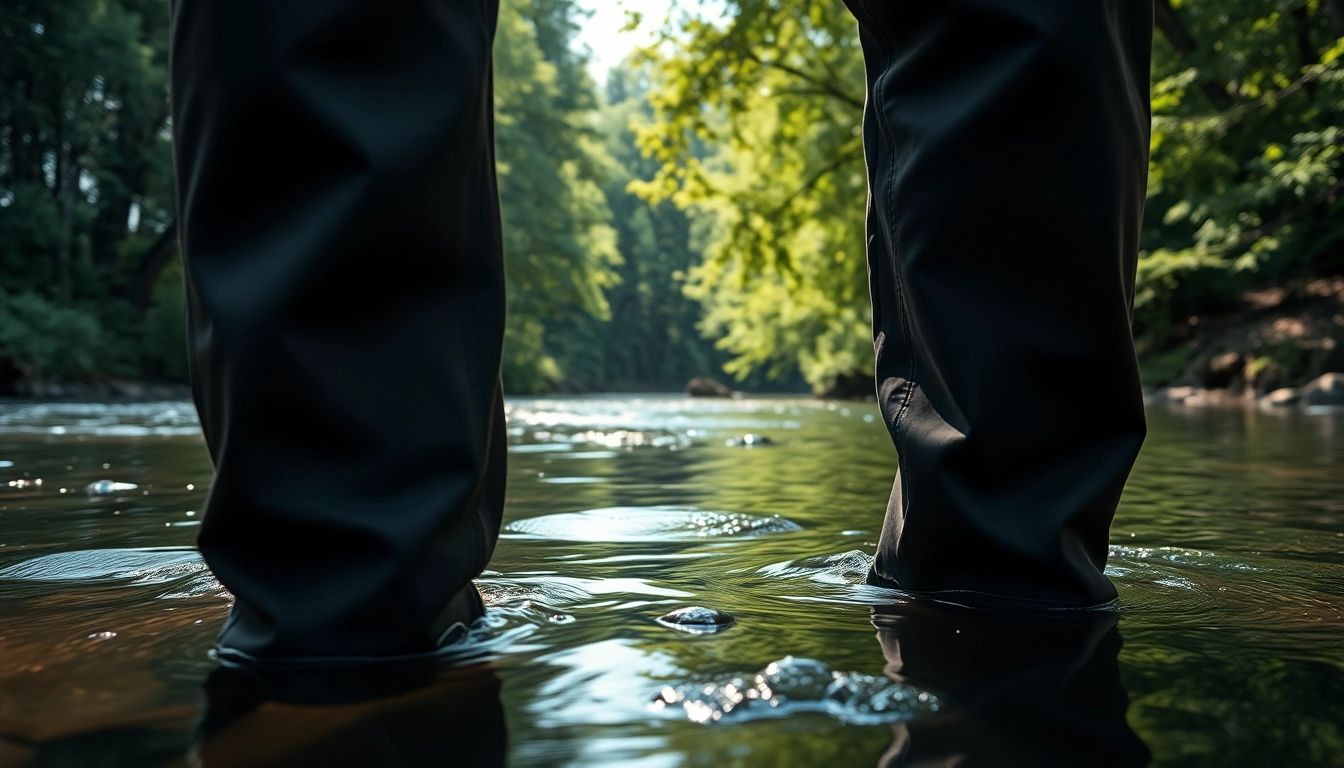
Understanding Different Types of Fly Fishing Waders
1. Material Options for Fly Fishing Waders
When choosing fly fishing waders, the material is one of the most crucial considerations. The effectiveness and comfort of your waders largely depend on the materials used in their construction. The two most common materials are neoprene and breathable fabrics.
Neoprene waders are ideal for cold environments, offering excellent insulation due to their thickness. This material provides warmth and is generally more durable against punctures and abrasions. However, while they offer excellent thermal properties, their downside is that they can retain heat during warmer conditions, making them uncomfortable in hot weather.
On the other hand, breathable fabrics, such as Gore-Tex or other proprietary membranes, allow moisture to escape while keeping water out. This feature prevents condensation buildup inside the waders, which can be especially beneficial on warmer days when perspiration can be an issue. While lightweight and versatile, breathable waders typically aren’t as warm as neoprene, making them unsuitable for extremely cold environments without proper thermal layering underneath.
2. Chest vs. Hip Waders: What to Choose?
The choice between chest waders and hip waders often comes down to the type of fishing you plan to do and the water conditions you expect to encounter. Chest waders extend up to the chest and often have adjustable straps, which provide excellent protection against deeper waters. They’re preferred for situations where anglers may find themselves standing in deep currents or fishing in areas with a lot of vegetation.
Conversely, hip waders only reach just above the knee and are suitable for shallow waters. They’re generally easier to put on and take off and can be more comfortable during warmer weather. For those who fish in smaller streams or ponds, hip waders can be adequate, yet they offer less protection than chest waders, and are not recommended for more unpredictable or rugged terrain.
3. Insulated vs. Non-Insulated Waders
Temperature conditions play a vital role in selecting the right fly fishing waders. Insulated waders include additional thermal materials that trap heat, making them an ideal choice for cold weather fishing. They ensure that you remain warm even when wading in ice-cold waters.
Non-insulated waders are designed for warmer weather and are usually made with lighter materials that enhance breathability. They often suit those who fish in temperate climates or during the summer months, offering excellent freedom of movement without the bulk of insulation. Choosing between insulated and non-insulated waders depends significantly on the expected weather conditions and personal comfort preferences.
How to Properly Fit Fly Fishing Waders
1. Measuring for the Perfect Fit
Finding the right fit for your fly fishing waders is crucial not just for comfort, but also for performance. Start by taking accurate measurements of your inseam, chest circumference, and shoe size. For chest waders, consider your chest and waist sizes. Most manufacturers provide sizing charts based on these measurements, which you can find on their websites.
When measuring, wear the clothes you’ll typically have underneath the waders, as layering can affect the fit. Ensure that you can comfortably bend your knees and move your arms without restriction to avoid discomfort when fishing.
2. Considerations for Layering Under Waders
Proper layering beneath your fly fishing waders is essential to regulate body temperature and enhance overall comfort. When fishing in cold conditions, a moisture-wicking base layer should be your first layer. Consider adding insulation, such as fleece, for added warmth.
In warmer conditions, only a lightweight base layer is usually sufficient. Always ensure that whatever you wear beneath facilitates easy movement and doesn’t lead to excess bulk that could create pressure points against the waders.
3. Common Fitting Mistakes to Avoid
One of the most common fitting mistakes is choosing waders that are too tight. While snugness is necessary to avoid water pooling, excessively tight waders can restrict movement and leave you uncomfortable. Always prioritize comfort over sheer size.
Another mistake involves unwillingness to try different styles. Not every brand sizes waders the same way. Therefore, trying on multiple options is crucial, as this will allow you to find the best fit for your body type.
Care and Maintenance of Fly Fishing Waders
1. Cleaning Techniques for Longevity
Proper cleaning of your fly fishing waders can significantly lengthen their lifespan. After each fishing trip, rinse your waders with fresh water to remove any mud, dirt, and salt that may have collected on the fabric. Mild soap works well for a thorough cleaning—avoid harsh detergents that might degrade the material over time.
For neoprene waders, make sure to clean them inside and out, and wash any grime off the boot sections. Always allow your waders to air dry completely before storing them, as moisture can lead to mold growth.
2. Storing Waders to Prevent Damage
The way you store your fly fishing waders can impact their condition. Never store waders while they’re damp; ensure they’ve completely dried. Store them in a cool, dark location away from direct sunlight, ideally on a hanger or loosely folded to maintain their structural integrity.
Avoid keeping heavy items on top of them to prevent unwanted pressure points that can lead to cracks or leaks in the material.
3. Repairing Small Tears and Leaks
It’s not uncommon for waders to develop small tears or leaks over time. Most commercial outdoor retailers sell repair kits designed specifically for waders. For minor tears, a waterproof tape can serve as an effective temporary fix. For more significant damage, consider applying a patch followed by a sealant to secure the repair.
Regularly check your waders for leaks by running a water test. This proactive approach minimizes the inconvenience of discovering leaks on a fishing trip and allows you to conduct timely repairs.
Top Features to Look for in Fly Fishing Waders
1. Comfort and Mobility Features
Comfort is paramount when selecting fly fishing waders. Look for features that enhance mobility, such as articulated knees and adjustable suspenders. These elements facilitate easier movement, whether you’re navigating rocky riverbeds or casting on the water.
A breathable lining can inherently enhance comfort further by regulating heat, especially during extended fishing excursions. Additionally, reinforced areas around the knees and seat improve durability without compromising ease of movement.
2. Waterproof Ratings Explained
The waterproof rating, measured in millimeters, indicates how waterproof a wader is based on the pressure it can withstand without leaking. Ratings typically range from 5,000mm to 20,000mm—higher ratings indicate more robust waterproofing abilities. For fly fishing, a minimum rating of 10,000mm is generally recommended, especially in unpredictable weather conditions.
However, a crucial detail often overlooked is breathability—finding a balance between waterproofing and breathability ensures comfort, especially in humid conditions.
3. Pockets and Storage: What You Need
Wader design should incorporate practical storage solutions to bring essential gear with you. Pockets should be positioned where they’re easily accessible even when wading. Consider waders with waterproof pockets to protect your valuables from splashes and leaks.
Some waders offer attachments for tools such as forceps and zingers, providing additional convenience by keeping essential gear within quick reach. Be mindful of the types of accessories you habitually carry, as the number and size of pockets may vary somewhat between different wader models.
FAQs About Fly Fishing Waders
1. Can I use fly fishing waders in cold water?
Yes, insulated waders are designed for cold water and conditions, providing warmth while fishing.
2. How do I clean my fly fishing waders?
Use mild soap and lukewarm water, rinse thoroughly, and hang to dry completely to maintain their longevity.
3. What material is best for fly fishing waders?
The best material depends on your needs. Popular choices include neoprene for colder conditions and breathable fabrics for warmer weather.
4. How do I check if my waders are leaking?
Submerge your waders in water and look for bubbles. You might also use a spray test with soapy water to locate leaks.
5. How do I store my fly fishing waders?
Store in a cool, dry place away from sunlight to prevent degradation and ensure they remain in good condition.