
Choosing the Right Steel Sink: Key Features, Benefits, and Installation Tips
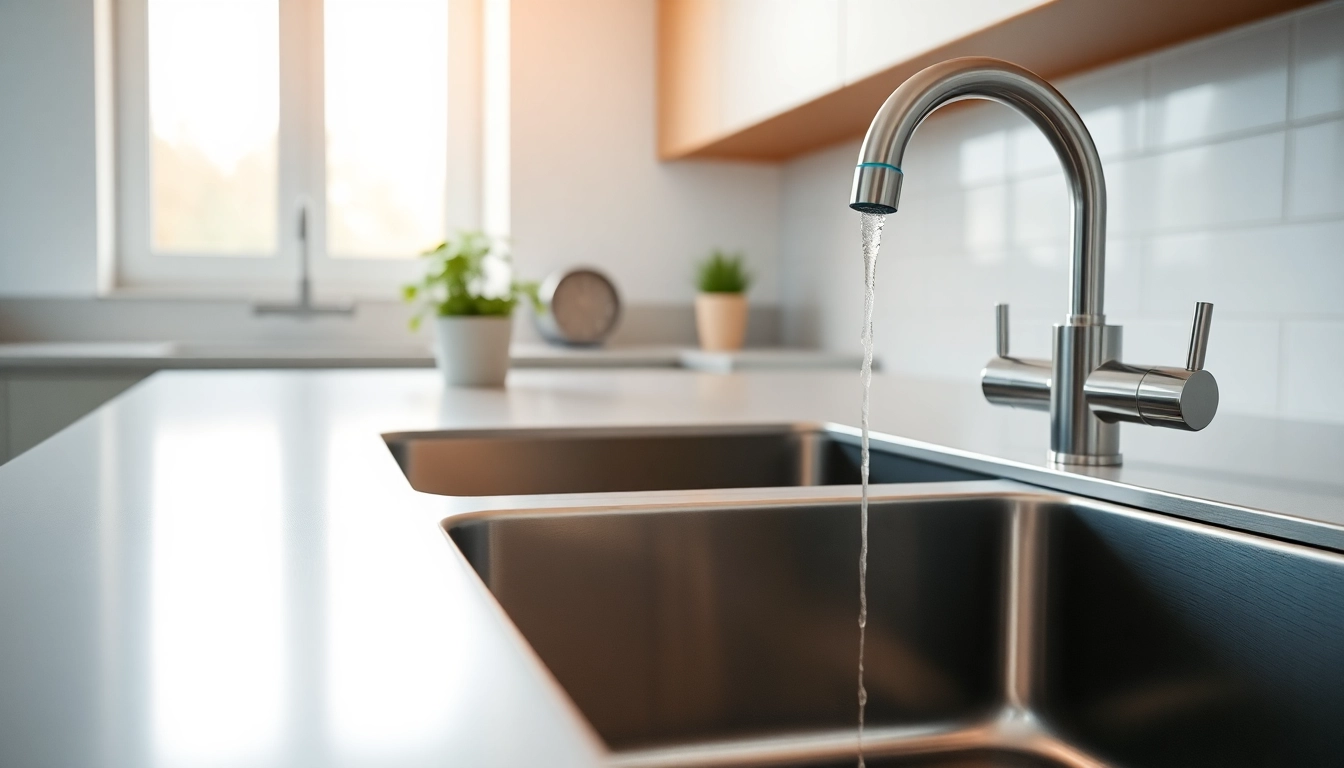
Understanding Steel Sink Varieties
Types of Steel Sinks Available
When it comes to choosing a steel sink, understanding the various types available is crucial. Steel sinks primarily fall into two categories: stainless steel sinks and galvanized steel sinks. Stainless steel sinks are made from steel alloyed with chromium and nickel, making them resistant to corrosion and rust, while galvanized steel sinks are coated with a layer of zinc to prevent rust. Each type has its own set of advantages tailored to different needs.
Stainless steel sinks are further categorized into different grades, with the most common being 304 and 316. Grade 304 is known for its excellent resistance to corrosion, making it ideal for kitchen and utility applications. On the other hand, grade 316 has additional molybdenum which enhances its corrosion resistance, especially in marine or high-humidity environments. Understanding these characteristics can greatly influence your choice.
Benefits of Stainless Steel vs. Other Materials
Choosing a steel sink comes with several benefits compared to other materials like porcelain or composite sinks. One standout feature is durability; stainless steel is exceptionally hard and can withstand impacts far better than porcelain, which is prone to chipping. Furthermore, stainless steel sinks resist staining and are less likely to harbor bacteria, making them hygienic and practical for any kitchen.
Moreover, stainless steel has a sleek modern appearance that complements various kitchen styles, from contemporary to traditional. Another benefit is its heat resistance; steel sinks can easily manage hot pots and pans without damage. Additionally, they are typically more affordable than other premium materials like granite or quartz, making them a cost-effective choice.
Choosing the Right Size for Your Space
When selecting a steel sink, size plays a pivotal role in both functionality and aesthetics. The size of the sink should correspond to the kitchen layout and individual cooking habits. A larger household may require a double basin to accommodate various tasks simultaneously, while a smaller kitchen might benefit from a single basin for more space.
Your choice should also consider the cabinet size beneath the sink, ensuring adequate support and drainage. To determine the best size, measure the space available and envision the sink’s positioning relative to other kitchen features such as countertops and appliances. Consulting with a professional can also provide insight into the optimal size for your cooking style and needs.
Key Features to Look for in Steel Sinks
Durability and Scratch Resistance
Durability is a hallmark of steel sinks, but not all are created equal. Higher gauge steel (lower numbers mean thicker steel) provides better durability and scratch resistance. A thick, 16-gauge stainless steel sink will withstand daily wear and tear significantly better than an 18-gauge sink, making it more suitable for heavy-duty use.
Additionally, certain manufacturers employ scratch-resistant coatings or treatments that can enhance the lifespan of a sink. Regular evaluation of the sink’s surface will help maintain its pristine appearance, allowing for lasting dependability and functionality.
Design Elements: Single vs. Double Basin
The design of a steel sink is as crucial as its material. Single basin sinks offer a large, uninterrupted space for washing pots, pans, and oversized items, providing flexibility for various tasks. In contrast, double basin sinks facilitate multitasking; one side can be used for washing while the other can be designated for rinsing or drying.
Consider your kitchen workflow and cooking habits when selecting between these designs. If you regularly prepare large meals or entertain guests, a double basin may better suit your needs. For minimalist or small-space kitchens, a single basin may provide the versatility required without taking up excessive counter space.
Surface Finishes and Their Impact
Surface finish is another important factor that impacts both the appearance and maintenance of a steel sink. Common finishes include brushed, polished, and matte. Brushed finishes are popular for their ability to hide water spots and scratches, making them ideal for high-traffic kitchens. Conversely, polished finishes provide a sleek, shiny appearance but may require more maintenance to keep clean.
Matte finishes are gaining popularity for their modern look and ease of cleaning, providing a sophisticated touch to any kitchen design. It’s essential to consider how finish will influence the sink’s maintenance, aesthetic appeal, and the overall theme of your kitchen when making a decision.
Installation Process for Steel Sinks
Tools Required for Installation
Successfully installing a steel sink requires a selection of tools that ensures precision and efficiency. Key tools include a tape measure, adjustable wrench, plumber’s putty, silicone caulk, a level, and a basin wrench. Additionally, you may need a drill and screwdriver if new mounting hardware or plumbing elements are involved.
Having the right tools on hand will streamline the installation process and help avoid common pitfalls associated with improper setup.
Step-by-Step Installation Guide
Installing a steel sink can be accomplished with careful planning and execution. Here’s a simplified step-by-step guide:
- Measure and Prepare: Measure the new sink and prepare the countertop by removing the old sink and clearing the area.
- Fitting the Sink: Place the sink into the cutout in the countertop to ensure a proper fit.
- Seal the Sink: Apply plumber’s putty to the edges of the sink to create a seal against leaks.
- Secure the Sink: Secure the sink underneath with mounting clips or screws as required.
- Connect Plumbing: Install the faucet and connect the drain assembly according to the manufacturer’s instructions.
- Testing: Turn on the water supply to check for leaks and ensure proper drainage.
Common Pitfalls to Avoid
Even a seemingly straightforward installation can present challenges. One common pitfall is mismeasuring the sink space, which can lead to significant frustrations down the line. It’s critical to double-check all measurements before purchasing and installing the sink.
Another common issue is improper sealing, which can result in leaks. Adequate sealing with silicone or plumber’s putty is vital for preventing water damage. Finally, rushing the plumbing connections can lead to leaks or inefficient drainage. Always take time to ensure each component is fitted correctly.
Maintenance Tips for Longevity
Cleaning and Care Tips
Maintaining your steel sink involves consistent cleaning to prevent stains and buildup. Regularly clean the sink with a mild detergent and a soft sponge to avoid scratching the surface. Using baking soda can help remove stubborn stains without damaging the finish.
It’s advisable to avoid harsh chemicals or abrasive cleaning tools, as these can compromise the protective layer of the stainless steel. Drying the sink with a soft towel after each use will help prevent water spots from forming, keeping your sink looking pristine.
Preventing Stains and Damage
To prevent stains, avoid letting food particles sit in the sink for prolonged periods. Rinse out any remnants after each use and address spills immediately. For areas with hard water, a faucet filter can help minimize mineral deposits that lead to stains.
Additionally, avoid using metal utensils in the sink as they can create scratches. Instead, opt for plastic or wooden utensils to preserve the integrity of the surface.
Expert Tips for Regular Upkeep
Experts recommend a deep clean every couple of weeks. This involves emptying the sink completely and using a specialized stainless steel cleaner that provides a protective shine while lifting stubborn stains. Make it a point to check the plumbing regularly for leaks or corrosion, as these can lead to more significant issues.
Investing in a good sink mat or grid can also help protect the bottom surface from scratches and dents while adding an aesthetic touch to your workspace.
Future Trends in Steel Sink Designs
Eco-Friendly Innovations
The kitchen industry is witnessing a trend toward eco-friendly innovations in sink design. Some manufacturers are adopting sustainable practices and materials, such as recycled steel, which significantly lowers the carbon footprint associated with sink production. Furthermore, water-saving faucets and integrated drainboards are increasingly common as part of sustainable kitchen designs.
Smart Features for Modern Homes
Smart technology is making its way into kitchen sinks as well. Features like integrated water filtration systems, automated washing, and UV sanitization are becoming sought after among modern consumers. These innovations not only enhance functionality but also simplify daily kitchen tasks, making steel sinks even more appealing.
Customization and Personalization Options
With the rise in custom kitchen designs, more manufacturers are offering personalization options for steel sinks. Consumers can now choose bowl configurations, depth, and even finishes tailored to their individual tastes and layout preferences. This customization allows homeowners to create a unique centerpiece that complements their kitchen’s overall theme.
Frequently Asked Questions
What is the best grade for stainless steel sinks?
The best grades for stainless steel sinks are typically 304 and 316. Grade 304 offers good corrosion resistance, while grade 316 is ideal for marine environments due to its enhanced durability.
Can I install a steel sink myself?
Yes, with the right tools and instructions, a steel sink can be installed by a competent DIYer. However, hiring a professional is recommended for complicated plumbing situations.
How do I remove water stains from my steel sink?
To remove water stains, use a mixture of vinegar and baking soda. Apply the paste, let it sit, then scrub gently with a soft cloth.
Are there any specific cleaning products I should avoid?
Avoid abrasive cleaners, steel wool, and harsh chemicals, as these can scratch and damage the finish of stainless steel sinks.
Do stainless steel sinks rust?
High-quality stainless steel sinks don’t rust easily due to their chromium content. However, neglect can lead to surface rust; thus, regular maintenance is essential.