Comprehensive Guide to Effective Bed Bug Removal for Your Home
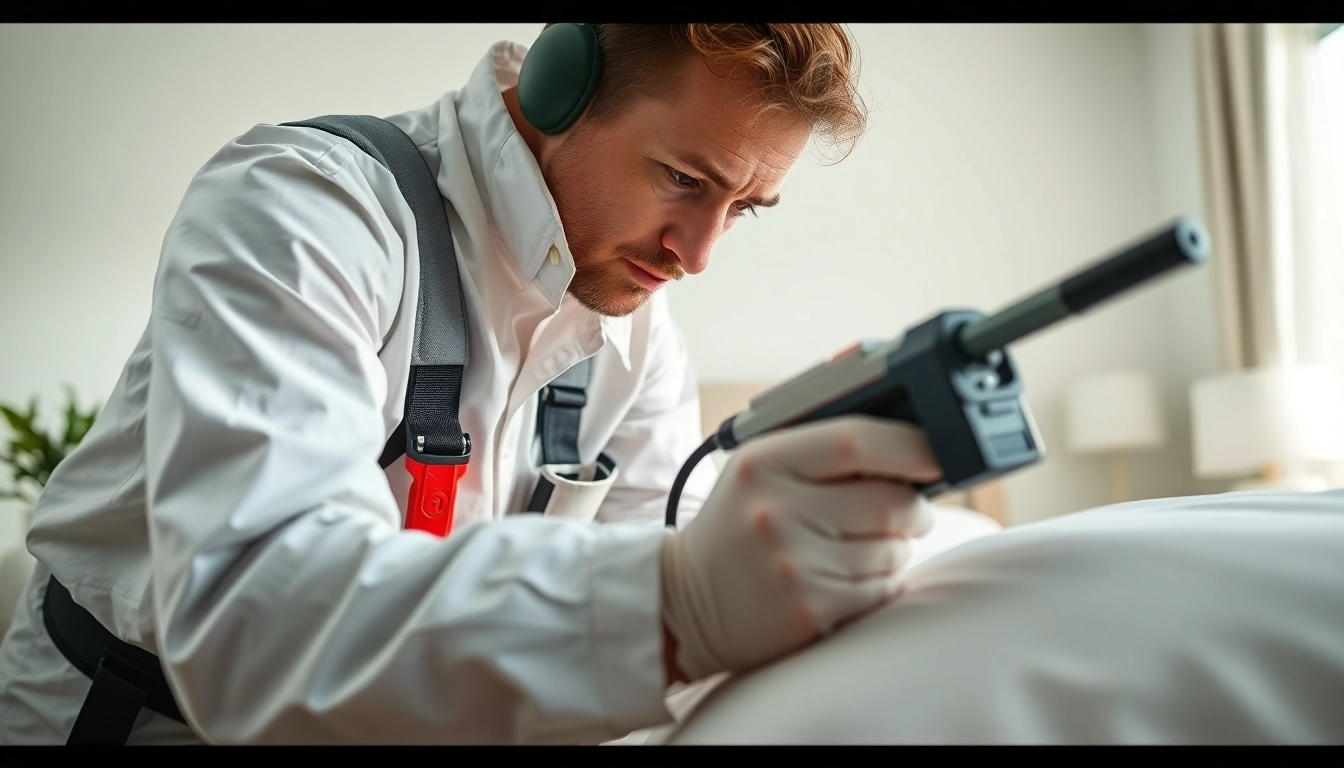
Understanding Bed Bug Infestations
Bed bugs are small, elusive insects that feed on the blood of humans and animals, often going unnoticed until an infestation becomes apparent. Their ability to hide in tiny crevices makes them challenging to eliminate without a systematic approach. For effective bed bug removal, it is essential to understand these pests thoroughly, their signs of infestation, and the health risks they pose.
What Are Bed Bugs?
Bed bugs, scientifically known as Cimex lectularius, belong to the family Cimicidae. These nocturnal insects are typically reddish-brown, flat, and oval-shaped, resembling a small apple seed. They usually measure about 4-5 mm in length. Bed bugs do not fly; instead, they crawl quickly and can travel between rooms through walls, floors, and ceilings, which contributes to their rapid spread in infested dwellings.
Signs of Bed Bug Infestation
Recognizing the signs of a bed bug infestation is crucial for early intervention. Key indicators include:
- Dark Stains: Small, dark spots from bed bug excrement found on bedding, walls, or furniture.
- Shedding Skins: Exoskeletons left behind as bed bugs mature.
- Live Bugs: Adult bed bugs or their nymphs can be seen in hiding spots such as mattresses, headboards, or under furniture.
- Itchy Bites: Red, itchy welts on the skin that appear in clusters, often mistaken for mosquito bites.
Health Risks Associated with Bed Bugs
While bed bugs are not known to transmit diseases, their presence can lead to significant discomfort and anxiety. The physical health risks include:
- Allergic Reactions: Some individuals may develop severe allergic responses, leading to secondary infections from itching.
- Sleep Disturbance: The anxiety of potential bed bug bites can result in insomnia and related problems.
- Psychosocial Effects: Emotional distress and embarrassment about having an infestation can affect mental health.
Effective Bed Bug Removal Techniques
Once an infestation is confirmed, prompt action is essential to mitigate the issue. Below are the primary strategies for effective bed bug removal.
Heat Treatment Methods
Heat treatment is one of the most effective ways to eliminate bed bugs. This method involves raising the temperature in a room to a level that is lethal for bed bugs, typically around 130°F (54°C). The process includes:
- Preparation: Remove items from the room that can obstruct the heat, like plastics or items that can melt.
- Application: Use specialized heaters to gradually raise the temperature and maintain it for several hours to ensure all life stages of bed bugs are killed.
- Post-Treatment: Inspect the area afterward to ensure effectiveness and prevent future infestations.
Chemical Treatments for Bed Bugs
Chemical treatments, including insecticides, can be effective when used correctly. Options include:
- Contact Insecticides: Sprays designed to kill bed bugs on contact.
- Residual Insecticides: These remain active after application, killing bed bugs when they crawl over treated surfaces.
- Insect Growth Regulators (IGRs): Substances that disrupt the growth cycle of bed bugs, preventing them from reaching maturity or reproducing.
It is vital to follow labeled instructions for any chemical treatment to ensure safety and effectiveness.
Natural Remedies for Bed Bug Removal
For those seeking more eco-friendly solutions, several natural methods may assist in managing bed bug infestations:
- Essential Oils: Oils such as tea tree and lavender may deter bed bugs, but they often require higher concentrations and frequent application.
- Diatomaceous Earth: A fine powder that can be sprinkled in areas where bed bugs hide; it dehydrates and kills them upon contact.
- Vacuuming: Regular vacuuming helps remove bed bugs and their eggs, but ensure you dispose of the vacuum bag properly.
Preparing Your Home for Bed Bug Removal
Before implementing bed bug treatment strategies, efficient preparation is key to maximizing results. Here are essential steps to follow.
Steps to Take Before Treatment
Proper preparation can enhance the effectiveness of the extermination process:
- Declutter: Clear the infested area of unnecessary items to reduce hiding spots for bed bugs.
- Wash Bedding and Clothes: Launder all affected fabrics in hot water (at least 140°F) to kill any bed bugs present.
- Move Furniture: Create space around the infested furniture to facilitate treatment.
How to Move Furniture for Treatment
Careful movement of furniture is crucial to ensure a thorough treatment:
- Clear Pathways: Make sure all areas surrounding the furniture are accessible.
- Keep Items Contained: Place any items removed from the furniture in sealed bags to prevent spreading the infestation.
- Inspect Other Areas: When shifting furniture, check for bed bugs in adjoining spaces and treat them if necessary.
Important Safety Precautions
Safety is paramount during bed bug treatment:
- Ventilation: Ensure proper ventilation when using chemical treatments to avoid inhaling potentially harmful substances.
- Protect Skin: Wear gloves and masks when handling insecticides or natural remedies.
- Keep Pets Away: Ensure pets are removed from the treatment area until it is deemed safe to return.
Post-Treatment Care and Prevention
After the treatment, monitoring and preventive measures are vital to ensure long-term success.
How to Monitor for Bed Bugs After Removal
Continuous observation is essential to confirm that the infestation has been completely eradicated:
- Regular Inspections: Check bedding, mattress seams, and furniture periodically for signs of returning bed bugs.
- Use Bed Bug Monitors: Devices can be placed strategically to detect bed bug movement.
- Document Findings: Keep a log of any sightings or bites to assist in future interventions.
Preventing Future Infestations
To prevent a resurgence of bed bugs, consider the following strategies:
- Inspect Second-Hand Furniture: Check for bed bugs before bringing used items into your home.
- Maintain Cleanliness: Regularly clean and inspect potential hiding places for bed bugs.
- Be Cautious While Traveling: Inspect hotel rooms and luggage upon return to avoid introducing bed bugs.
Best Practices for Regular Home Maintenance
Routine home maintenance can significantly reduce the risk of bed bug infestations:
- Frequent Vacuuming: Vacuuming can help remove bed bugs and their eggs from carpets and upholstery.
- Regular Laundry: Wash bed linens and curtains on a monthly basis to ensure a clean environment.
- Sealing Cracks and Crevices: Regularly inspect and seal any gaps in walls or furniture where bed bugs can hide.
Frequently Asked Questions about Bed Bug Removal
What causes bed bugs to come back?
Bed bugs can return due to overlooked hiding places, reinfestation from other sources, or ineffective treatment. Regular monitoring and thorough cleaning can help prevent this.
Can I sleep in my bed after treatment?
It is best to wait 2-4 hours after application of treatments and ensure the area is properly ventilated before sleeping in treated spaces.
How long does bed bug removal take?
The duration of bed bug removal can vary depending on the infestation’s extent; expect a few hours for treatment and follow-up monitoring over several weeks.
Are there DIY options for bed bug removal?
Yes, options such as heat treatments, vacuuming, and the use of natural remedies are viable DIY alternatives, although they may require considerable effort and diligence.
What should I do if I still see bed bugs after treatment?
If bed bugs persist post-treatment, consider consulting a professional exterminator for a comprehensive evaluation and tailored treatment plan.