Comprehensive Guide to Effective Sign Installation Techniques
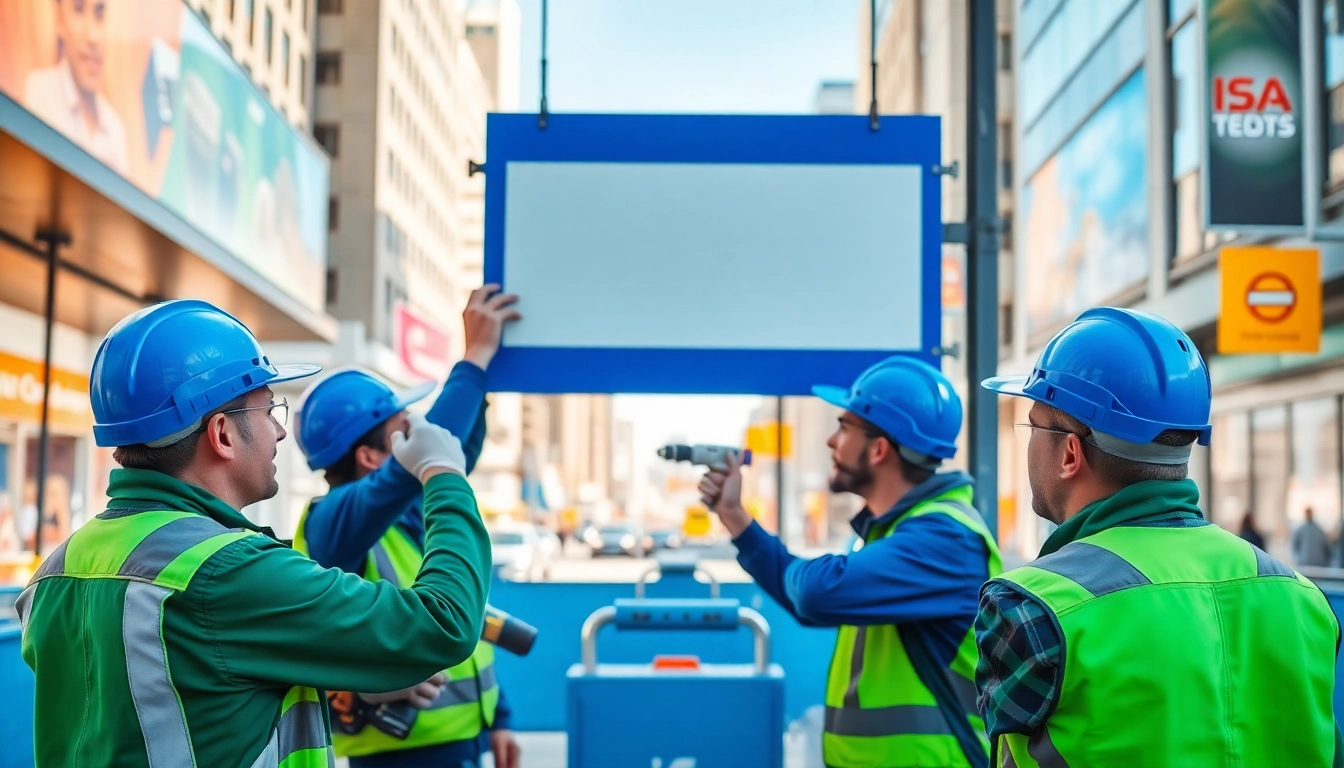
Understanding Sign Installation Basics
What is Sign Installation?
Sign installation refers to the process of placing various types of signage in designated locations to convey information, branding, or guidance. This process can include everything from mounting small signs like those used in retail to large-scale installations such as billboards or outdoor directional signs. Understanding the fundamentals of sign installation is crucial for businesses and organizations looking to enhance visibility and communicate effectively with their audience. With proper sign installation, signs can serve as powerful tools for marketing and customer engagement.
The Importance of Proper Sign Installation
Correct sign installation is vital for numerous reasons. Firstly, it ensures that signs are visible and legible, which directly affects their effectiveness in communicating information. Poor installation can lead to signs being obstructed, misaligned, or even damaged, ultimately rendering them useless. Secondly, properly installed signs enhance the professionalism of a business, reinforcing brand identity and credibility. Finally, adherence to local regulations during installation can prevent legal issues and ensure public safety.
Common Types of Signs for Installation
There are various types of signs commonly used across different industries, including:
- Exterior Signs: Such as storefront signs, freestanding signs, and banners.
- Interior Signs: Including wayfinding signs, informational displays, and safety signs.
- Digital Signs: Utilizing LED technology for dynamic display.
- Event Signs: Such as directional signs or promotional signage for events.
- Wayfinding Signs: Helping direct customers through complexes or public areas.
Tools and Materials Needed for Sign Installation
Essential Tools for Sign Installation
The right tools are crucial for ensuring effective sign installation. Some essential tools include:
- Drills: For creating holes and securing brackets.
- Screwdrivers: Needed for fastening signs or mounting hardware.
- Measuring Tape: For accurately measuring distances and ensuring precise placement.
- Level: To ensure signs are straight and correctly aligned.
- Ladders: For accessing elevated locations during installation.
Materials You Will Require
In addition to tools, various materials are necessary for sign installation. These include:
- Signage Material: Such as metal, plastic, wood, or vinyl based on the desired look and durability.
- Mounting Hardware: Including screws, anchors, brackets, and adhesive mounts.
- Cables and Wiring: For illuminated or electronic signs that require power connections.
- Protective Coatings: Such as sealants or weatherproofing solutions for outdoor signs to withstand environmental factors.
Choosing the Right Signage for Your Needs
Selecting appropriate signage is critical for effective communication. Factors to consider include:
- Purpose: Define the primary goal of the sign (branding, information, direction).
- Location: Assess environmental conditions, visibility, and audience interaction at the intended site.
- Design: Ensure the sign’s graphics, colors, and fonts are consistent with your brand identity.
- Durability: Evaluate material options based on lifespan and maintenance requirements according to the installation environment.
Step-by-Step Guide to Sign Installation
Preparing the Installation Site
Before beginning the installation, it is vital to prepare the site. This involves checking local regulations and zoning laws that may affect sign placement. Next, assess the area for potential obstacles such as trees, buildings, or power lines that might obstruct visibility. Mark the intended location where the sign will be installed, taking care to ensure it will be seen clearly from key vantage points.
Executing the Installation Process
With the site prepared, the installation can begin:
- Gather Tools and Materials: Ensure that all necessary tools and materials are on hand.
- Mounting Preparation: If applicable, prepare any mounting surfaces by cleaning or reinforcing them as needed.
- Attach Signage: Follow manufacturer instructions for securing signs using the chosen mounting hardware.
- Final Adjustments: Use a level to ensure the sign is properly aligned and make any adjustments as necessary.
Safety Precautions During Installation
Safety should always be a top priority. Here are some tips:
- Always wear personal protective equipment (PPE) such as hard hats and gloves.
- Use ladders and lifting equipment safely, following all manufacturer guidelines.
- In high traffic areas, block off the space where installation is taking place to prevent accidents.
- Ensure that electric signs are installed by licensed professionals to meet safety regulations.
Challenges in the Sign Installation Process
Common Issues Faced
Sign installation can present various challenges including:
- Weather Conditions: Rain, wind, or extreme temperatures can affect installation timelines.
- Site Limitations: Inaccessible locations that make transporting materials difficult.
- Local Regulations: Unexpected permit rejections or requirements can delay installation processes.
- Alignment Issues: Difficulty in achieving proper alignment can affect visibility and aesthetics.
Solutions to Overcome Installation Challenges
Addressing challenges requires careful planning and flexibility. Potential solutions include:
- Weather Contingencies: Always have a backup plan and delay installation if conditions are unsafe.
- Advanced Planning: Conduct reconnaissance visits to assess site conditions beforehand.
- Understanding Regulations: Familiarize yourself with all local laws and regulations well in advance of the project.
- Utilizing Technology: Use digital tools to visualize placements and check alignments before physical installation.
Post-Installation Adjustments
After installation, it is important to monitor the sign’s performance and make necessary adjustments. Observing how well the sign is received and whether it achieves its intended purpose is essential. If feedback indicates issues such as visibility or accessibility, consider repositioning the sign or making modifications to its design. Regular maintenance checks should also be implemented to ensure longevity and continuous effectiveness.
Measuring Success After Sign Installation
Understanding Local Regulations
After installation, it is crucial to ensure ongoing compliance with local regulations. This includes staying informed about any changes in signage laws and ensuring the sign remains in accordance with permitted guidelines. Routine checks should be conducted, particularly after severe weather events or changes in the surrounding environment that may affect the sign’s legality or visibility.
Gathering Feedback and Making Improvements
To measure a sign’s impact, gather feedback from customers and stakeholders. Surveys and informal comments can provide insight into the effectiveness of the sign in serving its purpose. Based on this feedback, be open to making enhancements or adjustments to improve overall performance and user experience.
Performance Metrics for Sign Installation
Evaluating the success of sign installations can be done through various metrics:
- Traffic Analysis: Measure foot or vehicle traffic in the vicinity before and after installation.
- Customer Feedback: Use surveys to assess if customers are aware of the message conveyed by the sign.
- Sales Data: Track sales before and after installation to identify any direct correlations.
- Social Media Engagement: Monitor how often the sign is shared or mentioned on social platforms.
Frequently Asked Questions
What factors should I consider before installing a sign?
Consider the location, visibility, local regulations, sign purpose, and design elements when planning a sign installation.
How can I ensure my sign is installed safely?
Wear appropriate PPE, use sturdy ladders, have a clear plan, and consider hiring professionals, especially for electrical signs.
What is the typical cost range for sign installation?
The cost can vary significantly based on size, materials, and location, often ranging from hundreds to thousands of dollars.
How do I maintain my installed sign?
Regularly inspect the sign for wear, clean it to remove dirt or debris, and address any necessary repairs promptly.
Do I need a permit for sign installation?
In many cases, yes. Check with local authorities to determine specific requirements regarding permits for your signage.