
Comprehensive Guide to Museum-grade Leather Care: Techniques and Tips
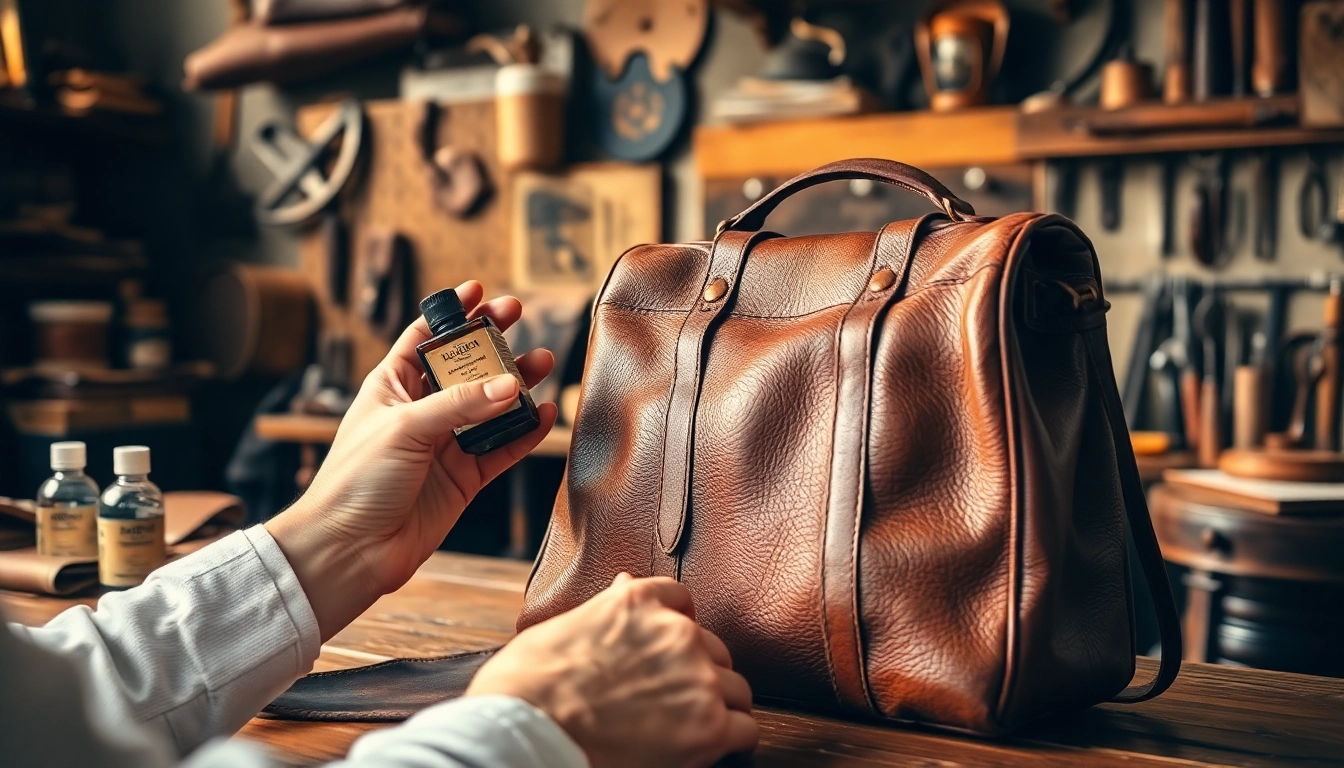
Understanding Museum-grade Leather Care
Proper leather care is essential for maintaining the integrity and lifespan of leather items, especially when they hold historical or aesthetic value. Among the various approaches to leather care, Museum-grade leather care stands out, aimed at preserving the quality and longevity of high-value leather artifacts. This article dives deep into the world of leather care, offering practical techniques and expert insights to elevate your leather preservation strategies.
What is Museum-grade Leather Care?
Museum-grade leather care refers to advanced techniques and products specifically designed to maintain, restore, and protect leather items, especially those that have historical significance. Unlike standard leather care methods, which may rely on basic cleaning and conditioning, museum-grade approaches adhere to strict preservation standards endorsed by conservation professionals. These methods prioritize the longevity and stability of the leather, ensuring it remains in excellent condition for years.
Importance of Leather Preservation
Leather items, particularly those housed in museums, are more than mere objects; they are artifacts of history. The preservation of leather is vital for several reasons:
- Historical Significance: Many leather items tell stories of cultural significance and heritage, serving as a glimpse into the past.
- Visual Aesthetics: Well-preserved leather maintains its beauty and charm, enhancing its appeal and value.
- Financial Investment: For collectors and owners, preserving the quality of leather items is essential for maintaining or increasing their market value.
- Environmental Impact: Consistent preservation practices can reduce the need for new leather production, thereby minimizing environmental harm.
Common Myths about Leather Care
Several misconceptions about leather care can lead to improper maintenance and damage:
- Myth 1: All leather is the same. In reality, there are different types of leather (e.g., full-grain, top-grain), each requiring specialized care.
- Myth 2: More conditioner is better. Over-conditioning leather can lead to a sticky residue and attract dirt, potentially ruining the surface.
- Myth 3: Water is harmless. While some leathers are water-resistant, excessive moisture can damage leather fibers and lead to mold growth.
Essential Techniques for Museum-grade Leather Care
Preparation and Cleaning Methods
Before any conditioning or protection can occur, thorough preparation is necessary. Cleaning not only removes dirt but also prepares the leather for effective conditioning. Here are the steps to follow:
- Assess the Leather: Determine the type of leather and its condition. Different leathers require unique cleaning approaches.
- Dusting: Use a soft brush or lint-free cloth to remove surface dust and debris gently.
- Spot Testing: Test cleaning solutions on an inconspicuous area to avoid discoloration or damage.
- Gentle Cleaning: Use a damp cloth with specialized leather cleaner. Avoid soaking the leather, as excessive moisture can weaken it.
Conditioning and Protecting Leather
Conditioning is crucial in maintaining leather’s suppleness and preventing it from becoming brittle. Here are effective methods for conditioning:
- Select Appropriate Conditioner: Choose a conditioner specifically formulated for museum-grade leather care. Look for natural oils and waxes that nourish without adding heavy residue.
- Application: Use a soft, lint-free cloth to apply the conditioner evenly. Work it into the leather in circular motions to ensure proper absorption.
- Protection: Consider a protective spray designed for leather to repel moisture and dirt, enhancing the leather’s longevity.
Regular Maintenance Tips
Regular maintenance is essential for preserving the quality of leather items. Here are some best practices:
- Store Properly: Store leather in a cool, dry place, away from direct sunlight, which can fade and dry the leather.
- Use Dust Bags: For valuable items, utilize dust bags to provide shielding from dust and pollutants.
- Periodic Inspections: Regularly inspect leather for signs of wear or damage and address any issues promptly.
Choosing the Right Products for Museum-grade Leather Care
Types of Leather Conditioners
Choosing the right leather conditioner is paramount. Here are the primary types available:
- Natural Oil Conditioners:
- These conditioners, often made from oils like mink or neatsfoot, penetrate deep into the leather fibers, providing nourishment without artificial additives.
- Beeswax-based Conditioners:
- Beeswax conditioners form a protective layer that repels water and dirt while allowing the leather to breathe.
- Synthetic Conditioners:
- Synthetic options provide convenience but may contain chemicals that can harm the leather over time if not chosen carefully.
Safe Cleaning Agents for Leather
Using the right cleaning agents is vital for effective and safe leather care. Recommended options include:
- pH-balanced Cleaners: Preserve the natural acidity of leather while providing effective cleaning.
- Distilled Water: When mixed with natural soap, distilled water offers a gentle cleaning solution without harming the leather.
- Specialized Leather Cleaners: Look for products designed specifically for leather care, free of harmful chemicals.
Environmentally Friendly Options
For those looking to care for leather sustainably, consider these environmentally friendly products:
- Plant-based Conditioners: These products use natural ingredients that are safe for both leather and the environment.
- Biodegradable Cleaning Solutions: Look for cleaners that break down naturally and do not contribute to environmental pollution.
- Glass or Metal Packaging: Opt for products packaged in reusable containers to reduce plastic waste.
Challenges in Museum-grade Leather Care
Identifying Leather Types
Identifying the type of leather is challenging yet crucial. Common leather types include full-grain, top-grain, and corrected-grain. Each type needs tailored care approaches. Knowledge of these differences ensures effective cleaning and conditioning.
Dealing with Stains and Damage
Stains and damage can be formidable foes against leather preservation. Here’s how to manage them:
- Identify the Stain: Determine the type of stain (oil, water, ink) to take an appropriate action.
- Immediate Action: Address spills promptly by blotting with a clean cloth, avoiding rubbing, which can spread the stain.
- Professional Help: For significant damage or persistent stains, seeking professional restoration is often the best approach.
Preserving Unique Leather Artifacts
Unique artifacts require customized care plans that consider their age, material, and historical context. Techniques may involve:
- Controlled Environment: Maintain stable humidity and temperature levels to prevent deterioration.
- Limited Handling: Reduce direct contact to avoid physical wear, utilizing display cases when necessary.
- Expert Consultation: When dealing with rare pieces, consult with conservation experts for the best preservation strategies.
Frequently Asked Questions about Museum-grade Leather Care
What are the best practices for leather storage?
Store leather in a cool, dry environment away from direct sunlight. Use breathable dust covers and maintain consistent humidity levels to prevent mold and mildew.
How to identify if my leather needs conditioning?
If the leather feels dry, stiff, or shows cracking, it likely needs conditioning. Regular inspections help to determine its health over time.
Can I use household products for leather care?
Some household products can be harmful to leather. It’s best to use specialized leather care products to avoid damaging the material.
How often should I apply conditioner?
Conditioning should be done every six months or when the leather feels dry or shows signs of wear. Adjust this frequency based on usage and environment.
Are there risks with using over-the-counter leather products?
Yes, many over-the-counter products contain harsh chemicals that can degrade leather over time. Always opt for safe, specially formulated leather care solutions instead.