Understanding Cinematic Video Production
Defining Cinematic Video Production
Cinematic video production is the art of creating visually striking and emotionally compelling narratives through the use of advanced filming techniques. Unlike traditional video production, which may prioritize efficiency or informational content, cinematic video production focuses on storytelling, aesthetics, and an elevated viewing experience. This type of production aims to evoke emotions, immerse audiences in rich visuals, and ultimately tell a story in a way that resonates deeply. For professionals and enthusiasts alike, mastering this craft involves understanding both the technical aspects and the art of storytelling, making cinematic video production a multidimensional pursuit.
Core Elements of Visual Storytelling
At the heart of cinematic video production lies powerful visual storytelling, anchored by several fundamental elements:
- Character Development: Engaging characters are essential for drawing viewers into a story. It's crucial to create relatable and multidimensional characters that audiences can connect with emotionally.
- Conflict and Resolution: Every narrative needs conflict. This tension propels the story forward and captures viewer interest, culminating in a satisfying resolution that resolves the conflict.
- Visual Composition: Effective use of framing, angles, and movement contributes to the overall aesthetic and impact of a video. Techniques like the rule of thirds and leading lines can guide viewers' attention to specific elements in the frame.
- Sound Design: Sound enriches the viewing experience, setting moods and complementing visuals effectively. From dialogue to ambient sounds, audio plays a key role in storytelling.
- Emotional Arc: A well-crafted narrative has a beginning, middle, and end, guiding the audience through emotional highs and lows, making the experience more impactful.
Importance of Quality in Production
Quality is vital in cinematic video production. High production values can significantly elevate a video's appeal and effectiveness. This includes everything from sharp, clear images to well-mixed audio. High-quality visuals capture the attention of the audience and convey professionalism, thereby enhancing the credibility of the message being communicated. Lesser quality can detract from the narrative, causing viewers to disengage. Utilizing top-notch equipment, skilled crews, and proper post-production techniques are essential steps to achieving the desired quality in cinematic production.
Essential Equipment for Cinematic Video Production
Choosing the Right Camera Gear
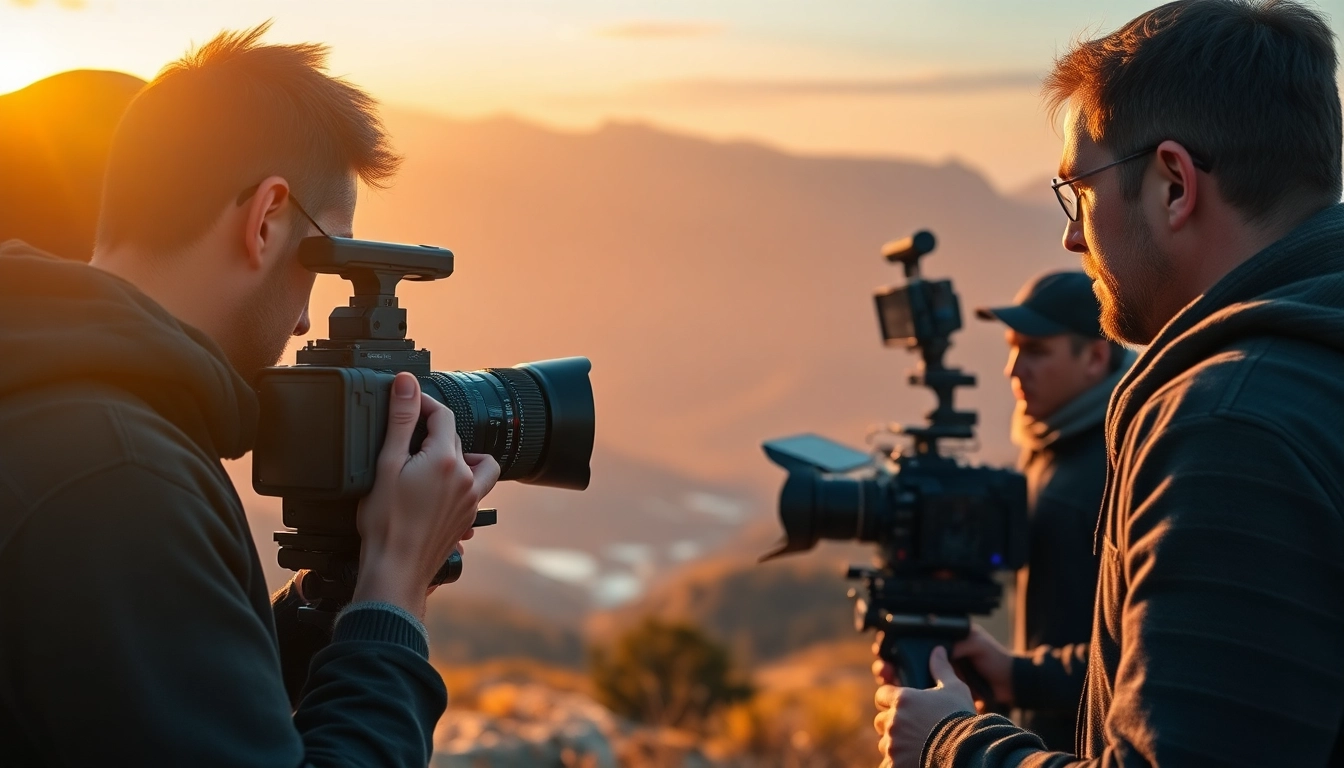
Your choice of camera plays a pivotal role in the quality of your cinematic video production. High-end digital cinema cameras offer advanced features, such as higher resolution, dynamic range, and frame rates that allow for slowed motion or timelapse footage. Popular choices include:
- DSLRs and Mirrorless Cameras: These are versatile and user-friendly options for beginners and experienced filmmakers alike.
- Cinema Cameras: Designed specifically for film production, they tend to have superior image sensors and capabilities.
- Action Cameras: Ideal for dynamic shooting scenarios, they excel in durability and portability.
Audio Equipment Essentials
Great visuals deserve equally impressive audio to complement the narrative. Essential audio equipment includes:
- Microphones: Choosing the right microphone types (lavaliers, shotgun, or shotgun) ensures that dialogue is captured crisply and clearly.
- Audio Recorders: External audio recorders can provide higher quality sound than most cameras' built-in audio systems.
- Headphones: Monitoring sound while recording helps catch issues in real-time and ensures optimal audio quality.
Lighting Techniques to Enhance Videos
Lighting is one of the most significant factors affecting the quality of a video. Different lighting techniques can create specific moods or highlight elements within the narrative, such as:
- Three-Point Lighting: This classic technique involves key, fill, and back lights to create depth and dimension.
- Natural Lighting: Using sunlight can produce stunning effects, but it requires careful planning to avoid harsh shadows.
- Soft Box Lighting: Diffused light sources can produce a softer feel, making subjects appear more flattering.
Key Techniques in Cinematic Video Production
Effective Composition Techniques
Composition is crucial in creating visually appealing scenes. Several techniques can enhance your video's composition:
- Rule of Thirds: This involves dividing the frame into thirds to place subjects at intersecting points, guiding viewer’s attention.
- Framing: Incorporating elements in the foreground or background can add layers to a scene and help to create context.
- Depth of Field: Manipulating focus and blur ensures that viewers concentrate on the main subject while providing visual distractions.
Use of Color Grading for Impact
Color grading is a powerful post-production technique that influences how audiences perceive a video. It can enhance emotional storytelling by:
- Setting the Mood: Different color palettes evoke various emotions, from the warmth of red to the calmness of blue.
- Creating Consistency: A consistent color scheme across scenes provides a cohesive viewing experience.
- Highlighting Key Themes: Certain colors can symbolize themes or character arcs, enhancing the narrative's depth.
Editing Best Practices
Editing is where all elements are brought together into a polished final product. Effective editing involves:
- Cutting for Pace: Maintaining rhythm by varying the length of clips can significantly influence viewer engagement.
- Transitions: Smooth transitions, such as fades or wipes, maintain a seamless flow between scenes.
- Music and Sound Effects: Adding these elements during editing enhances emotion and helps immerse the audience in the experience.
Common Challenges in Cinematic Video Production
Budget Constraints and Solutions
Budget constraints can pose challenges in cinematic video production, creating limitations on equipment, crew, and locations. To navigate these limitations:
- Prioritize Needs: Identify key elements that will impact the quality of production and invest in those areas.
- Rent Gear: Renting equipment can reduce costs while still providing high-quality tools.
- Collaborate: Form partnerships with emerging talent, allowing for shared costs and fresh ideas.
Time Management in Production
Time constraints can elevate the stress of production. Adopting effective time management strategies helps ensure smooth workflows:
- Pre-Production Planning: Detailed planning of each phase helps avoid last-minute complications.
- Scheduling: Using tools like Gantt charts can help visualize timelines and manage resources.
- Flexibility: Being adaptable to unforeseen challenges can prevent delays and maintain momentum.
Finding the Right Talent and Crew
The right talent and crew are paramount for successful cinematic video production. To find the best fit:
- Networking: Attend industry events, workshops, and film festivals to connect with potential collaborators.
- Auditions: Provide clear specifications for the roles, allowing talent to showcase their skills effectively.
- Online Platforms: Utilize social media and professional platforms to find and scout talent based on specific needs.
Measuring Success in Cinematic Video Production
Engagement Metrics to Track
Understanding the impact of your cinematic video production can be evaluated through various engagement metrics:
- View Counts: Analyzing how many people viewed the video offers insight into its reach.
- Watch Time: Tracking how long viewers stay engaged reveals whether the content holds their interest.
- Audience Retention: This metric indicates where viewers drop off, helping you identify improvement areas.
Feedback and Iteration Process
Continuous improvement is vital in cinematic video production. Gathering feedback allows creators to enhance future projects:
- Surveys: Using surveys can provide valuable insights into audience perceptions and highlight areas to improve.
- Focus Groups: Screening the video with a small audience can help gauge emotional responses and refine further edits.
- Critique Sessions: Participating in peer review sessions allows for constructive feedback and shared learning experiences.
Maximizing Distribution Channels
Effective distribution is key to maximizing a video's reach and impact. Consider various channels for distributing content:
- Social Media: Platforms like Instagram, Facebook, and YouTube cater to diverse audiences and promote engagement.
- Film Festivals: Submitting to festivals can garner attention, awards, and potential investors.
- Web Hosting: A dedicated website allows for showcasing your portfolio while implementing SEO strategies for visibility.
FAQs
What is cinematic video production?
Cinematic video production focuses on high-quality visual storytelling, utilizing advanced techniques and equipment to create compelling narratives.
How can I improve my video production skills?
Consider studying composition, lighting, and editing. Practicing regularly and seeking feedback is vital for improvement.
What equipment is essential for cinematic video production?
Key equipment includes high-end cameras, quality audio devices, and proper lighting kits to enhance the production value.
What are common issues in video production?
Common challenges include budget limitations, time constraints, and difficulty in sourcing skilled talent for the project.
How can success be measured in video production?
Success can be assessed using audience engagement metrics, feedback from viewers, and performance on various distribution platforms.