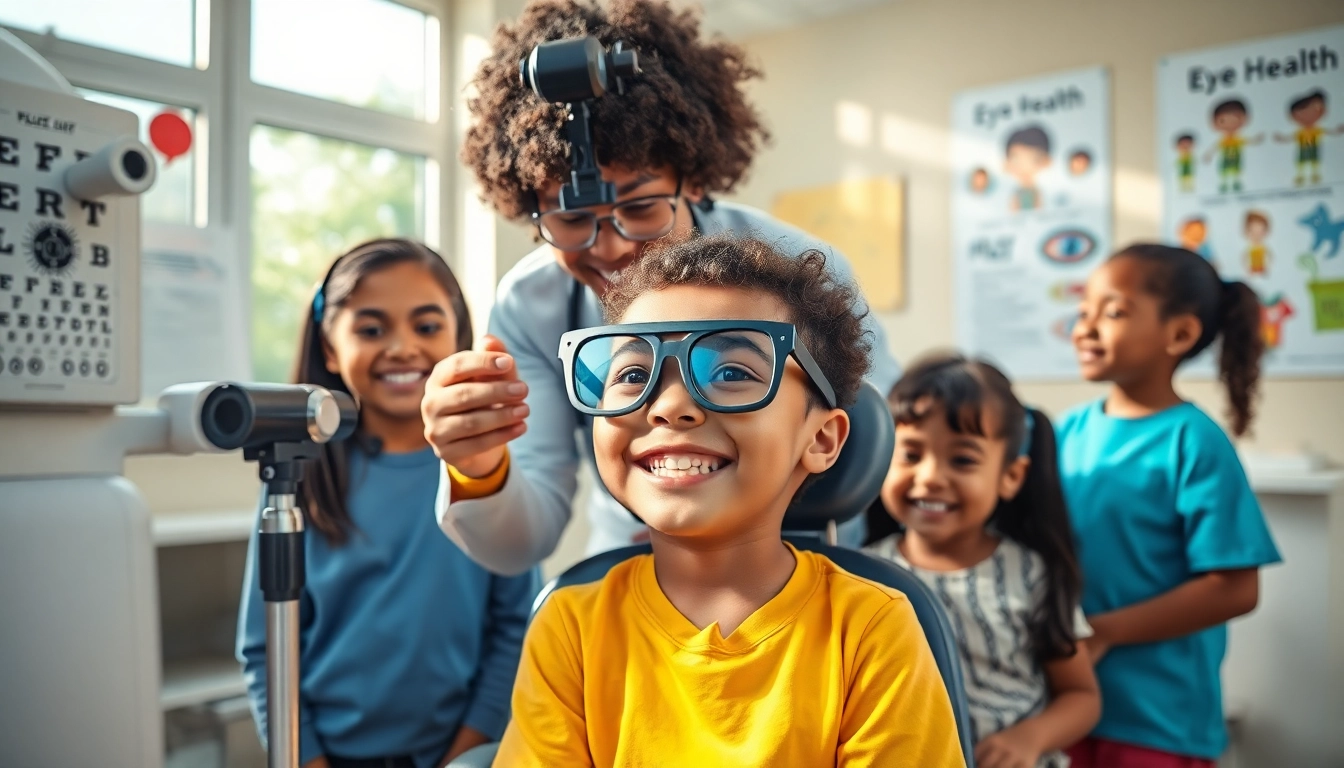
Understanding the Importance of Our Children's Vision
Vision is a crucial aspect of childhood development, affecting everything from learning abilities to emotional well-being. Research shows that around 80% of what a child learns is through their eyes, making good vision essential for academic success and overall development. Unfortunately, many children globally suffer from vision impairments due to limited access to eye care services. Programs aimed at addressing these issues, such as Our Children's Vision, highlight the urgent need for children to receive proper eye care.
The Impact of Vision on Child Development
A child's vision influences more than just their academic performance. It plays a vital role in their social skills, spatial reasoning, and even athletic abilities. Poor vision can hinder a child's ability to interact with their peers, understand classroom instruction, and engage in physical activities. Research suggests that children with uncorrected vision problems may experience a decline in self-esteem and motivation, leading to further social challenges.
Statistics on Vision Impairments in Children
Globally, it is estimated that over 19 million children have vision impairments, with a significant portion being preventable or treatable. The World Health Organization emphasizes that up to 80% of blindness can be prevented with appropriate interventions. In the United States alone, surveys indicate that nearly 1 in 4 children will have a vision problem by the time they reach school age, reinforcing the need for accessible and affordable eye care.
Common Eye Conditions Affecting Kids
Several eye conditions commonly affect children, including:
- Amblyopia (Lazy Eye): A condition where one eye develops differently than the other, affecting depth perception and visual acuity.
- Strabismus (Crossed Eyes): A misalignment of the eyes that can lead to double vision or amblyopia if untreated.
- Myopia (Nearsightedness): A refractive error that makes distant objects appear blurry, which is becoming increasingly common due to extended screen time and lack of outdoor activity.
- Hyperopia (Farsightedness): A condition where nearby objects are blurred while distant objects are clear, potentially impacting learning and comprehension.
- Astigmatism: An irregular curvature of the cornea or lens that results in distorted vision at all distances.
Accessing Eye Care for Children
Understanding Eye Screening Recommendations
Eye screenings are essential for early identification of vision problems. The American Academy of Pediatrics recommends comprehensive eye exams at various ages: once by six months, again at three years, and before first grade. These screenings, often conducted by pediatricians or school nurses, are vital for detecting issues before they affect a child's learning capabilities.
How to Find Local Eye Care Services
Accessing eye care services can vary widely by location. Families can start by consulting their child's pediatrician, who can recommend local ophthalmologists or optometrists. Additionally, community health centers often provide affordable eye care services. Many schools also partner with local health organizations to offer vision screening events, ensuring that every child has the opportunity for evaluation.
Financial Assistance Options for Eye Care
Financial barriers often prevent families from accessing necessary eye care. However, various programs exist to provide assistance, including:
- Medicaid: Covers eye exams and eyeglasses for eligible children.
- Children's Health Insurance Program (CHIP): Offers low-cost health coverage, including vision care, to families that earn too much to qualify for Medicaid.
- Nonprofit Organizations: Groups like Vision USA and OneSight provide free or low-cost eye care services and glasses to low-income families.
Preventative Measures for Maintaining Our Children's Vision
Healthy Habits for Eye Health
Encouraging healthy habits at a young age can prevent vision problems. Tips for maintaining optimal eye health include:
- Regular Eye Exams: Schedule comprehensive eye exams as recommended to monitor eye health.
- Balanced Diet: Encourage consumption of fruits and vegetables rich in vitamins A, C, and E, along with omega-3 fatty acids, which are beneficial for eye health.
- Protective Eyewear: Ensure children wear sunglasses with UV protection when outdoors to shield their eyes from harmful rays.
- Screen Time Management: Limit screen time and encourage regular breaks to reduce eye strain.
Technology's Role in Eye Strain
With the rise of digital devices, eye strain has become increasingly common among children. Symptoms may include headaches, blurry vision, and discomfort. Parents should encourage the 20-20-20 rule: every 20 minutes of screen time, take a 20-second break to look at something 20 feet away. This practice helps reduce digital eye strain and promotes better visual health.
Educating Kids on Eye Care
Education plays a significant role in instilling good eye care habits. Teaching children the importance of eye health can empower them to take responsibility. Consider incorporating eye health education in daily conversations, using engaging activities like coloring books about the eyes, or simple demonstrations of how to perform eye care routines.
Advocacy and Resources for Our Children's Vision
Organizations Supporting Child Eye Health
Numerous organizations dedicate their efforts to improving child eye health, including:
- Prevent Blindness: Focuses on promoting eye health through awareness and education.
- The American Academy of Ophthalmology: Provides guidelines and resources to promote eye health and care for children.
- The National Center for Children’s Vision and Eye Health: Works on initiatives to improve access to eye care through research and public health advocacy.
Community Initiatives for Eye Care Access
Community initiatives can provide necessary access to eye care for children. Local schools often partner with health organizations to offer free vision screenings and eye exams. Community health clinics frequently host events that provide eye exams and glasses at reduced rates. Engaging with local libraries or community centers can additionally lead families to programs specifically designed for children’s eye health.
How to Get Involved
Getting involved in advocacy campaigns focused on children's eye health can create a ripple effect of awareness and action. Parents can participate by volunteering at local organizations, organizing community events, or even advocating for improved policies regarding child health services. Using social media platforms to share information and resources can also raise awareness within their communities.
Future Directions in Child Eye Health
Emerging Research and Treatments
Innovative research continues to uncover new insights into children's eye health. Emerging treatments, such as orthokeratology for myopia control and advancements in telemedicine for remote eye care, promise to enhance how we approach vision health for children. Continued funding and support for these research efforts are critical to developing effective treatments and preventive measures.
The Role of Parents in Eye Health Advocacy
Parents are key advocates in ensuring their children receive adequate eye care. Staying informed about their children's vision needs, monitoring any changes in their sight, and actively seeking out services are crucial steps. By fostering a culture of eye health within the home, parents can positively influence their children's overall health behaviors.
Long-Term Goals for Improving Our Children's Vision
Creating a future where every child has access to comprehensive eye care is paramount. This encompasses not only improved access to services but also increased awareness about the importance of regular eye exams and healthy vision practices. Collaboration between healthcare providers, educators, and policymakers is essential to build a robust framework supporting children's vision, emphasizing preventative care and early intervention strategies.