Enhancing Performance with EFI Fuel System Fittings for Your Vehicle
Understanding EFI Fuel System Fittings
Definition and Purpose
EFI fuel system fittings are essential components in the fuel delivery system for vehicles equipped with Electronic Fuel Injection (EFI). These fittings connect various parts of the fuel system, enabling the proper flow of fuel from the tank to the engine. Their purpose is crucial; they ensure that fuel is delivered efficiently and reliably to the injectors while maintaining system integrity and safety. By utilizing EFI fuel system fittings, vehicle owners can optimize performance while reducing the likelihood of leaks or failures.
Types of EFI Fuel System Fittings
There are several types of EFI fuel system fittings, each designed for specific applications and requirements. Understanding these helps in selecting the right fittings for your vehicle:
- In-line Fuel Fittings: Used to connect fuel lines in various positions, ensuring no interruption in fuel flow.
- Fuel Rail Fittings: These fittings connect to the fuel rail, distributing fuel to the injectors evenly.
- Adapter Fittings: Allow for the connection of hoses or lines to different sizes, providing versatility in installations.
- Quick Disconnect Fittings: These facilitate the easy removal of fuel lines without tools, often used in maintenance scenarios.
- AN or JIC Fittings: Commonly used in performance applications, these provide a robust, leak-free connection.
Common Materials Used
EFI fuel system fittings are manufactured from various materials to ensure they can withstand high pressures and resist corrosion. The most common materials include:
- Aluminum: Lightweight and resistant to corrosion, making it a popular choice for performance applications.
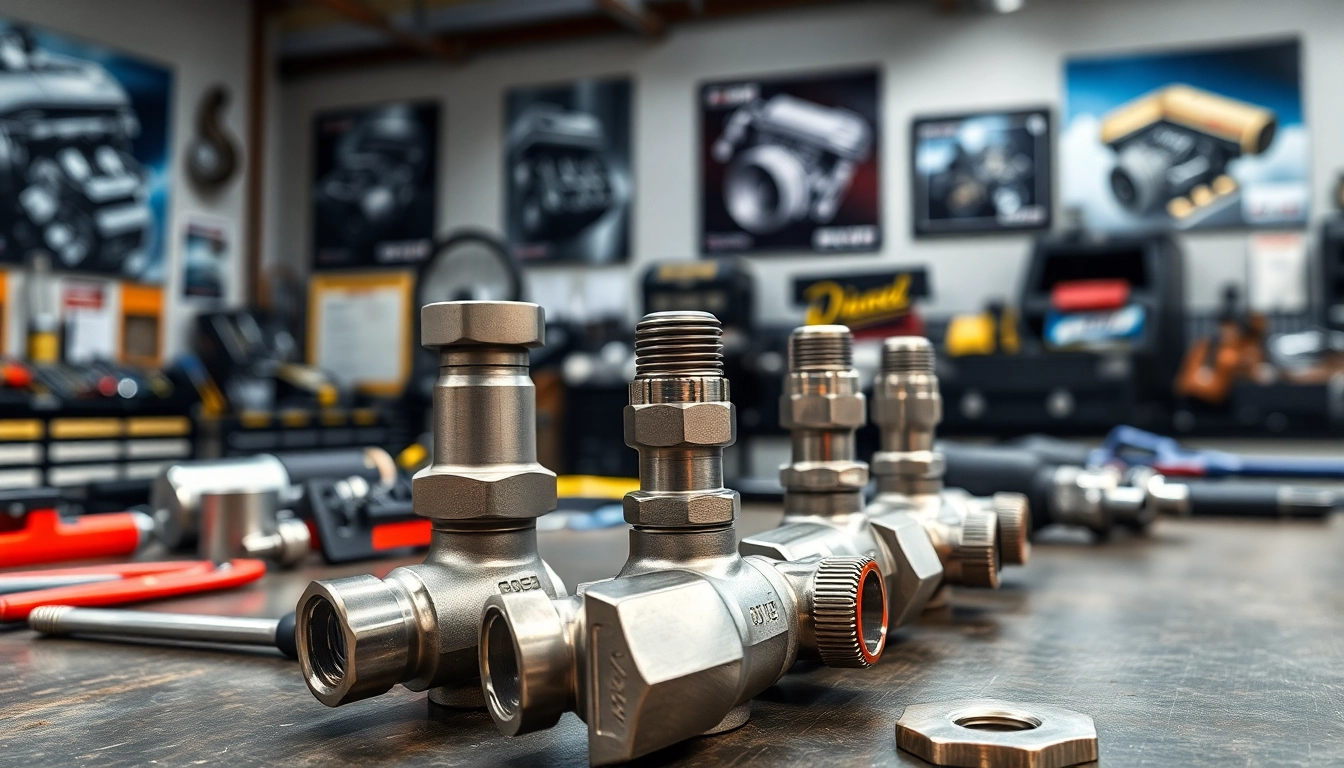
- Stainless Steel: Known for its durability and resistance to rust, it’s ideal for harsh environments.
- Plastic: Used in lower-pressure applications; it’s lightweight and cost-effective but may not offer the same durability.
- Brass: Offers great resistance to corrosion and is often employed in standard fuel system applications.
Benefits of Upgrading EFI Fuel System Fittings
Improved Fuel Efficiency
One of the primary benefits of upgrading to high-quality EFI fuel system fittings is improved fuel efficiency. Tight, leak-free connections minimize fuel loss, allowing the engine to utilize more of the fuel, translating to better mileage. In addition, better aerodynamics and size optimization in the fittings can improve flow rates significantly, leading to further enhancements in efficiency.
Enhanced Engine Performance
EFI fuel system fittings can dramatically affect engine performance. By ensuring a consistent and precise fuel supply, these fittings contribute to smoother engine operation and improved throttle response. This translates into higher horsepower and torque outputs, crucial for performance engines. Furthermore, high-quality fittings can help achieve a more balanced air-fuel mixture, maximizing combustion efficiency and overall performance.
Extended Durability and Reliability
Upgrading to high-quality EFI fuel system fittings enhances the system’s durability and reliability. Quality fittings are designed to withstand extreme conditions, such as high pressure and temperature variations, which are typical in automotive fuel systems. With better materials and designs, these fittings are less prone to wear and tear, reducing the frequency of repairs and replacements, ultimately saving costs in the long run.
Choosing the Right EFI Fuel System Fittings
Key Considerations for Selection
Selecting the appropriate EFI fuel system fittings requires careful consideration of several key factors. First, assess the specific requirements of your vehicle and its intended use, whether for normal driving, racing, or heavy-duty applications. Consider the fitting’s compatibility with existing components and ensure that they can handle the necessary fuel pressure levels.
Size and Compatibility
Not all EFI fuel system fittings are created equal; size and compatibility are paramount. It’s crucial to ensure that the fittings match the diameter of the fuel lines and any components they connect with. Mismatched sizes can lead to leaks, fuel starvation, and ultimately compromised engine performance. Always refer to the vehicle’s specifications to determine the correct sizes.
Brand and Quality Factors
While there are many brands available, opt for reputable manufacturers known for producing durable and reliable EFI fuel system fittings. Research customer reviews and performance ratings, and prioritize fittings that feature industry standards, such as those certified for high-performance applications. Quality should never be compromised when it comes to your fuel delivery system.
Installation Tips for EFI Fuel System Fittings
Tools and Equipment Needed
Before proceeding with the installation of EFI fuel system fittings, gather the necessary tools and equipment. Common tools include:
- Wrenches or socket sets (appropriate sizes for the fittings)
- Torque wrench to ensure proper tightness
- Fuel line cutter for clean cuts
- Thread sealant or Teflon tape (if applicable)
- Safety goggles and gloves for protection
Step-by-Step Installation Guide
The following is a straightforward guide to installing EFI fuel system fittings:
- Preparation: Ensure the vehicle is off, and relieve fuel system pressure according to the manufacturer’s procedures.
- Remove Old Fittings: Carefully disconnect existing fittings and remove them from the fuel lines.
- Clean Connections: Ensure fuel line ends are clean and free from debris to prevent contamination.
- Apply Thread Sealant: If required, apply an appropriate thread sealant to the new fittings.
- Install New Fittings: Attach the new EFI fuel system fittings using the proper torque specifications to avoid leaks.
- Recheck Connections: Before opening the fuel supply, double-check all connections to ensure proper installation.
- Test System: Reapply pressure to the fuel system and check for leaks at all connection points.
Common Mistakes to Avoid
Several mistakes can undermine the installation of EFI fuel system fittings. Avoid the following:
- Incorrect Sizing: Ensure all fittings match your fuel line sizes to prevent leaks.
- Omitting Sealants: Always apply thread sealants where required to ensure a tight seal.
- Over-Tightening: Be cautious with torque. Over-tightening can damage the fittings or lead to leaks.
- Ignoring Manufacturer Specifications: Always follow the vehicle manufacturer’s guidelines for installation to ensure reliability.
Maintenance and Troubleshooting EFI Fuel System Fittings
Routine Maintenance Practices
Regular maintenance is essential for ensuring the longevity and reliability of EFI fuel system fittings. Implementing a routine inspection schedule can help catch potential issues early. Recommended practices include:
- Periodic visual inspections for signs of wear, corrosion, or leaks.
- Cleaning connections and fittings to prevent debris accumulation.
- Checking for proper torque and retightening as necessary.
Signs of Wear and Failure
Identifying signs of wear and failure in EFI fuel system fittings can save you from costly repairs and ensure vehicle safety. Common indicators include:
- Fuel leaks visible around connections.
- Poor engine performance or misfires, possibly due to insufficient fuel delivery.
- Corrosion or discoloration on fittings, indicating degradation.
When to Seek Professional Help
While many vehicle owners can perform maintenance and minor repairs on EFI fuel system fittings, there are situations where professional assistance is wise. Seek help if:
- You notice persistent leaks that do not resolve.
- The engine shows significant drops in performance.
- You are uncomfortable performing the installation or maintenance due to lack of experience.
Frequently Asked Questions
What are EFI fuel system fittings?
EFI fuel system fittings are components used in the Electronic Fuel Injection system, connecting parts to deliver fuel efficiently from the fuel tank to the engine.
Why upgrade EFI fuel system fittings?
Upgrading enhances fuel efficiency, improves engine performance, and increases the overall durability and reliability of the fuel system.
How do I know what size fittings to choose?
Consult your vehicle’s specifications to determine the correct sizes for your fuel lines and components to ensure proper compatibility.
Can I install EFI fuel system fittings myself?
Yes, many vehicle owners can install EFI fuel system fittings themselves if they follow proper guidelines and safety protocols.
What maintenance is required for EFI fuel system fittings?
Routine checks for leaks, cleaning connections, and ensuring proper torque on fittings can help maintain the integrity of your fuel system.