
Innovations and Best Practices in Railroad Construction
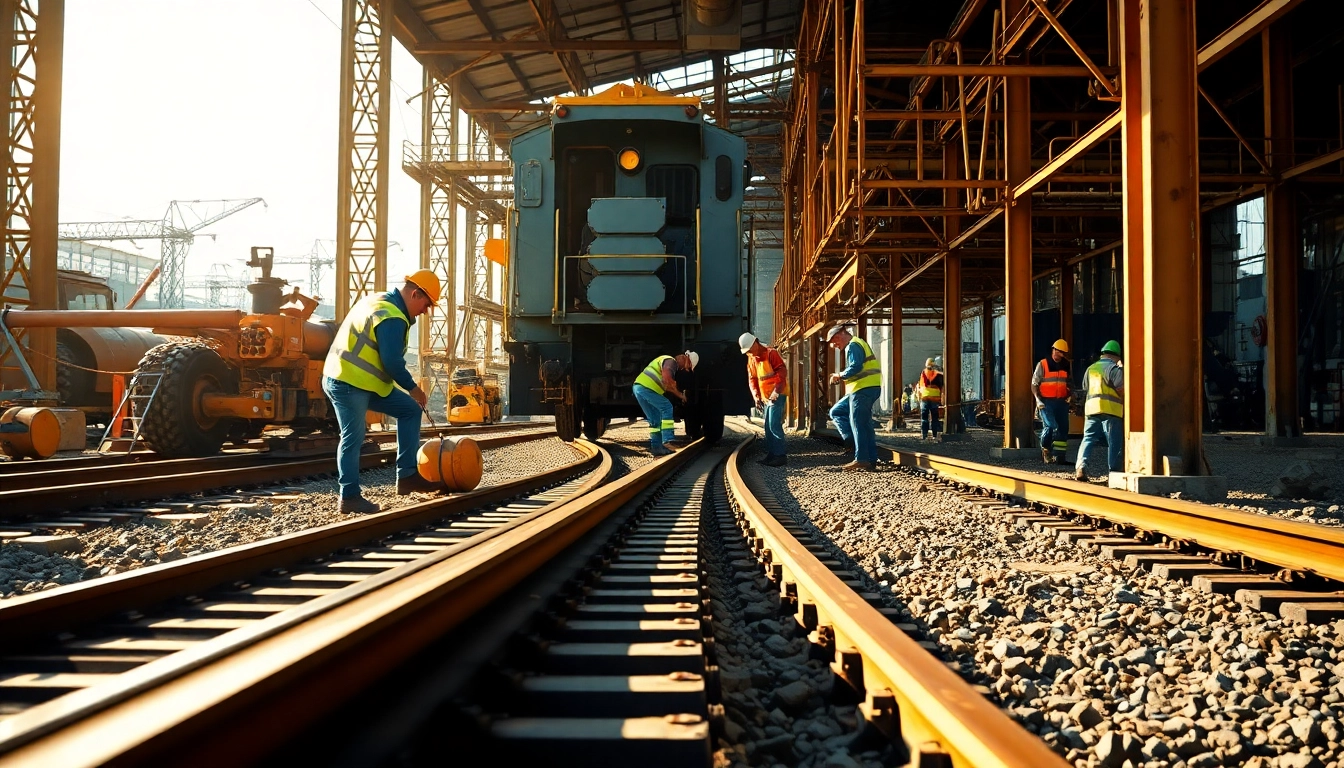
Understanding the Fundamentals of Railroad Construction
Railroad construction is a complex and essential industry that enables the movement of goods and people across vast distances. It involves the meticulous planning, surveying, and implementation of various engineering principles to create a safe and efficient rail network. Understanding the fundamentals of Railroad Construction is critical for stakeholders, engineers, and communities impacted by these projects. This section explores the basic principles, key components, and common challenges facing the railroad construction sector.
Basic Principles of Railroad Construction
At its core, railroad construction is guided by fundamental engineering principles that ensure safety, efficiency, and durability. These principles include:
- Geometric Design: Railroads require a carefully planned layout to minimize curves and grades, improving speed and safety.
- Earthworks: This involves grading and the creation of embankments and cuts to provide a stable foundation for tracks.
- Track Design: The selection of rails, ties, and ballast is crucial for ensuring long-term operational stability.
These principles must align with local standards and regulations, adapting to the unique geographical and environmental characteristics of each project site.
Key Components of a Railroad System
A comprehensive railroad system consists of various interdependent components, including:
- Rails: Steel tracks that guide train movement and support weight.
- Sleepers (Ties): Wooden or concrete supports that hold the rails in place.
- Ballast: Crushed stone that stabilizes the track and facilitates drainage.
- Switches and Signals: Essential for directing train movement and ensuring safety on the tracks.
Understanding how these components work together is vital for effective railroad construction and maintenance.
Common Challenges in Railroad Construction
Despite advancements in technology and methodology, railroad construction is fraught with challenges, including:
- Budget Constraints: Projects often exceed initial estimates due to unforeseen issues.
- Environmental Impact: Adhering to regulations while minimizing ecological disruption can be challenging.
- Coordination with Multiple Stakeholders: Collaboration with government agencies, local communities, and stakeholders is essential, yet complex.
Addressing these challenges requires innovative solutions and proactive planning to keep projects on schedule and within budget.
Innovative Technologies Shaping Railroad Construction
As the railroad construction industry evolves, innovative technologies are playing a pivotal role in enhancing safety, efficiency, and sustainability. Understanding these advancements can help professionals leverage them to improve project outcomes.
Automation and Machinery Advancements
The introduction of automation and advanced machinery has revolutionized the way railroad construction projects are executed:
- Robotics: Automated equipment can perform repetitive tasks, such as laying tracks, with precision.
- Drones: Drones are increasingly used for surveying and monitoring construction progress from the air.
- GPS and RFID Technologies: These technologies facilitate real-time tracking of equipment and materials, improving logistical efficiency.
Adopting these technologies can lead to significant time savings and enhanced safety on construction sites.
Materials Enhancements for Safety and Durability
Advancements in materials science are leading to the development of more durable and safer components in railroad construction:
- High-Performance Concrete: This material offers superior durability against weathering and wear.
- Composite Materials: Lighter and stronger, these materials can reduce the overall weight of tracks.
- Smart Sensors: Embedded in infrastructure, these sensors monitor condition and wear, providing data for predictive maintenance.
These materials contribute to the longevity of railroads and reduce the need for frequent repairs.
Innovative Project Management Software
Project management is critical in railroad construction due to the complexity and scale of projects. Innovative software solutions provide:
- Real-Time Collaboration: Teams can communicate and share updates instantly, ensuring everyone is informed.
- Data Analytics: These tools analyze performance metrics, helping identify areas that need improvement.
- Resource Management: Streamlined management of materials, labor, and budgets enhances overall project efficiency.
Utilizing advanced project management software can lead to better planning and execution of railroad construction projects.
Planning and Design Strategies for Successful Projects
Effective planning and design are paramount to the successful execution of railroad construction projects. A strategic approach ensures that projects are completed on time and within budget while meeting safety and regulatory standards.
Site Surveying and Mapping Techniques
Before construction begins, comprehensive site surveying and mapping are essential:
- Geographical Information Systems (GIS): GIS technology enables detailed mapping of terrain, highlighting slopes and barriers.
- 3D Laser Scanning: This technique creates accurate digital models, aiding in design and planning.
- Ground Penetrating Radar (GPR): GPR is used to identify subsurface conditions, revealing existing structures or obstacles.
These techniques improve the accuracy of project planning and facilitate more informed decision-making.
Environmental and Safety Regulations
Navigating environmental and safety regulations is critical for any railroad construction project:
- Compliance Assessments: Conducting these assessments ensures adherence to local and federal regulations.
- Impact Mitigation Plans: These plans outline strategies for minimizing ecological disruptions during construction.
- Health and Safety Protocols: Implementing comprehensive safety measures safeguards workers and the surrounding community.
Proactively addressing these regulations enhances community trust and may prevent costly delays.
Collaborative Planning with Stakeholders
Collaboration is vital for the success of railroad construction projects:
- Stakeholder Engagement: Involving local communities and stakeholders early fosters goodwill and alleviates concerns.
- Inter-Agency Coordination: Effective communication between government agencies facilitates smoother project execution.
- Feedback Loops: Continuous feedback from stakeholders allows for iterative improvements to the project plan.
Collaborative planning ensures that projects meet diverse needs and builds community support.
Effective Implementation of Railroad Construction Projects
Successfully implementing a railroad construction project hinges on efficient management, skilled labor, and adherence to timelines and budgets. This section discusses key strategies for effective project execution.
Workforce Training and Management
The construction workforce is essential to project success, making training and management a priority:
- Technical Training Programs: Investing in ongoing education ensures workers are familiar with the latest technologies and safety protocols.
- Team Building Activities: Encouraging collaboration and communication among workers enhances team cohesion.
- Performance Metrics: Setting clear performance indicators helps track worker efficiency and identify areas for improvement.
Effective workforce management increases productivity and minimizes the risk of accidents on-site.
Timely Execution and Budget Management
Timely execution within budgetary constraints is crucial for successful railroad construction:
- Milestone Tracking: Regularly evaluating progress against milestones helps identify potential roadblocks early on.
- Budget Forecasting: Effective forecasting and monitoring of budgets prevent overruns and misallocation of resources.
- Contingency Planning: Preparing for unexpected delays ensures that projects remain on schedule despite challenges.
By sharing clear objectives and maintaining strict oversight, teams can achieve their goals efficiently.
Quality Assurance Processes
Quality assurance is vital across all phases of railroad construction to ensure safety and compliance:
- Regular Inspections: Implementing routine inspections helps identify issues before they escalate.
- Documentation Standards: Keeping detailed records promotes transparency and accountability throughout the project lifecycle.
- Compliance Audits: Conducting audits verifies adherence to regulatory standards and internal policies.
By embedding quality assurance processes, companies can safeguard the integrity of their projects.
Future Trends in Railroad Construction
The railroad construction industry is poised for significant changes as new trends emerge. Understanding these trends can help stakeholders stay ahead in this evolving landscape.
Sustainability Initiatives and Eco-Friendly Practices
Sustainability is increasingly becoming a priority in railroad construction, with initiatives focusing on reducing the environmental impact:
- Recyclable Materials: Utilizing recycled materials promotes resource conservation and reduces waste.
- Green Certifications: Pursuing certifications encourages adherence to sustainable practices.
- Energy-Efficient Technologies: Investing in technologies that lower energy consumption and operational emissions is gaining traction.
These initiatives align with growing public demand for eco-friendly infrastructure.
Integration of Smart Technologies
The introduction of smart technologies is transforming railroad construction and operations:
- Internet of Things (IoT): IoT devices can monitor track conditions and train performance in real-time.
- Artificial Intelligence: AI can optimize schedules and improve maintenance strategies by analyzing vast data sets.
- Digital Twins: Creating digital replicas of physical assets allows for better monitoring and predictive maintenance.
These technologies enhance efficiency, safety, and longevity in railroad construction and operations.
Forecasting Industry Trends and Challenges
As the railroad construction landscape evolves, key trends and challenges emerge:
- Workforce Shortages: Addressing the declining skilled labor pool is critical for supporting future projects.
- Funding and Investment: Increasing investment in infrastructure is essential for maintaining and expanding rail networks.
- Technological Advancements: Adapting to rapid technological changes requires ongoing education and investment.
Forecasting these trends can help stakeholders proactively address challenges while seizing opportunities for growth.
Frequently Asked Questions
What are the main phases of railroad construction?
The main phases include planning, design, construction, monitoring, and maintenance. Each phase has critical steps to ensure safety and efficiency.
How long does a typical railroad construction project take?
Duration varies based on project scale and complexity, ranging from a few months for minor upgrades to several years for extensive new lines.
What are common materials used in railroad construction?
Common materials include steel for rails, concrete or wood for ties, and ballast, usually made from crushed stones for stability.
How do environmental concerns affect railroad construction?
Regulations often require assessments to minimize ecological disruptions, which can influence project design and execution timelines.
What role does technology play in modern railroad construction?
Technology enhances efficiency and safety, with innovations including automation, smart sensors, and advanced project management tools.