Mastering Frizzy Hair: The Right Hair Dryer for Stunning Results
Understanding Frizzy Hair
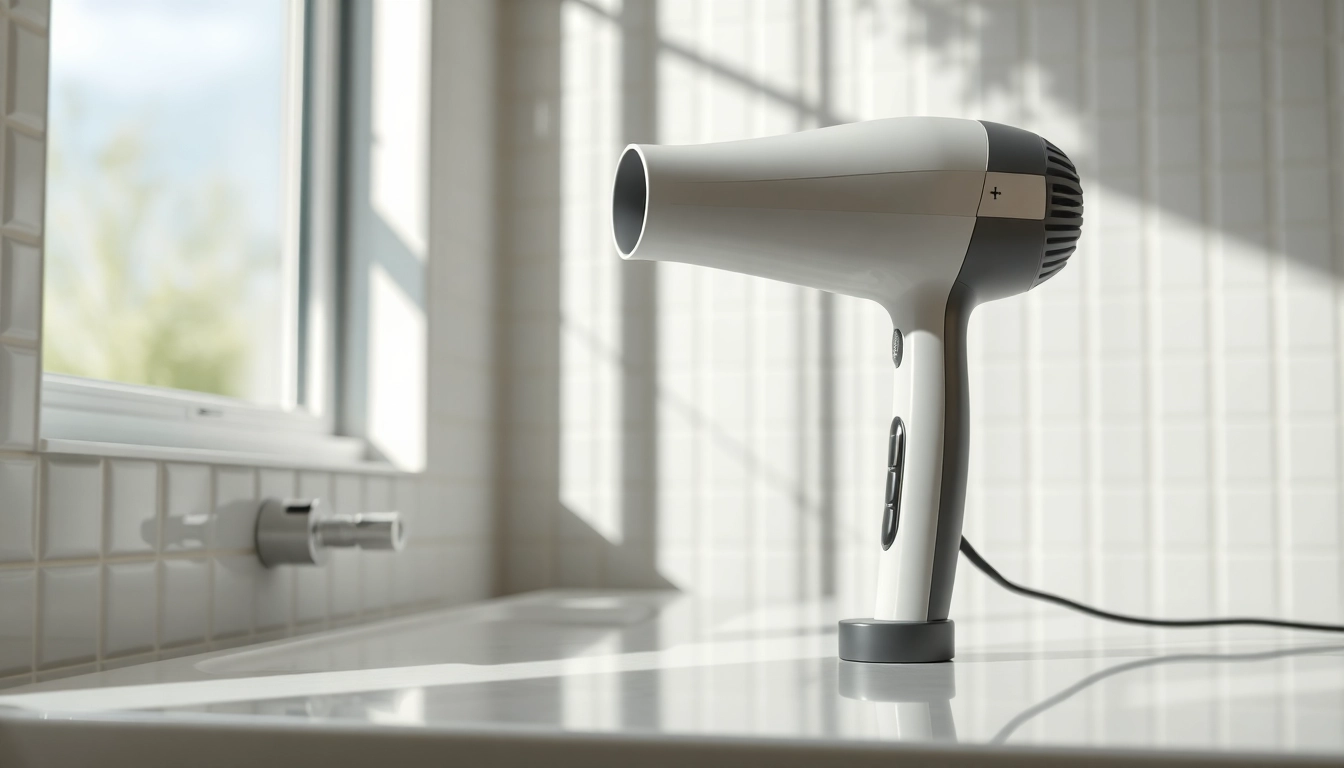
Frizzy hair is a common concern that leaves many searching for solutions. Understanding the underlying factors that contribute to frizz can be the first step towards achieving the smooth, manageable hair you desire. Whether it’s caused by humidity, lack of moisture, or damage, knowing the details about frizzy hair is essential for effective care and styling. By incorporating tools like a specialized Frizzy hair dryer, you can significantly improve the health and appearance of your hair.
What Causes Frizziness?
Frizziness often occurs when the hair’s cuticle (the outer layer) is raised, allowing moisture to seep in and swell the hair shaft. This irregularity leads to that undesirable frizzy appearance. Factors causing frizz include:
- Dryness: Lack of moisture in the hair can lead to increased frizz. Dry hair is more porous and susceptible to environmental changes.
- Humidity: In humid conditions, moisture in the air can be absorbed by the hair, leading to swelling and frizz.
- Damage: Heat styling, chemical treatments, and environmental factors can damage the cuticle, making it difficult to lay flat.
- Genetics: Some individuals are predisposed to frizzy hair based on their genetic makeup.
Common Myths About Frizzy Hair
There are several misconceptions regarding frizzy hair that can hinder proper care. Let’s dispel a few:
- Myth 1: The more you wash your hair, the more frizz you will have. Truth: Washing frequency needs to balance oil and moisture levels.
- Myth 2: Only curly hair gets frizzy. Truth: Frizz can affect all hair types, especially when damaged or dry.
- Myth 3: Using conditioner is enough to prevent frizz. Truth: You might need leave-in treatments or anti-frizz serums for effective care.
The Importance of Hair Health
Healthy hair is critical in combating frizz. Regular trims and the right products can make a significant difference. Factors such as diet, hydration, and the use of heat protectants during styling are essential for maintaining hair health. Building a comprehensive hair care routine that emphasizes gentleness and protection can help keep frizz at bay.
Choosing the Right Frizzy Hair Dryer
Not all hair dryers are created equal when it comes to dealing with frizzy hair. The right choice can lead to smooth results and healthy hair. Here’s what to consider:
Key Features to Look For
When selecting a hair dryer for frizzy hair, several features can make a significant impact:
- Temperature Settings: Look for dryers with multiple heat settings to avoid damage.
- Power: A higher wattage often leads to faster drying times, reducing heat exposure.
- Cool Shot Button: A cool air setting helps to seal the hair cuticle after drying, locking in moisture.
- Attachments: Diffusers and concentrators can help control airflow and reduce frizz during styling.
Types of Hair Dryers
There are several types of hair dryers that cater to different hair textures and needs. Here are a few notable ones:
- Conventional Hair Dryers: Ideal for everyday use and widely available, but results may vary based on technique.
- Tourmaline Hair Dryers: These emit negative ions to counteract frizz and provide faster drying times.
- Ionic Hair Dryers: They help to break down water molecules, resulting in quicker drying and reduced frizz.
- Infrared Hair Dryers: Utilize infrared technology to heat the hair from the inside out, minimizing heat damage.
Technology That Reduces Frizz
Advancements in hair dryer technology have made it easier to combat frizzy hair:
- Ionic Technology: Reduces static electricity and enhances moisture retention.
- Infrared Technology: Targets moisture within the hair to dry it gently without excessive heat.
- Ceramic and Tourmaline Coatings: Distribute heat evenly, providing consistent results and minimizing damage.
Techniques for Effective Hair Drying
Using the right dryer must be complemented by effective drying techniques. Here are essential steps to follow:
Prepping Your Hair For Drying
Before you even think about turning on your hair dryer, preparation is key:
- Wash With Care: Use a sulfate-free shampoo and a moisturizing conditioner.
- Towel Dry Gently: Use a microfiber towel to avoid friction that can lead to frizz.
- Apply Leave-In Products: These can offer extra moisture and protection from heat.
Optimal Drying Techniques
How you use your hair dryer can make all the difference:
- Section Your Hair: Divide your hair into manageable sections to ensure even drying.
- Use the Right Airflow: Direct the airflow down the hair shaft to smooth the cuticle.
- Avoid Over-Drying: Stop drying when your hair is about 80% dry; finish with air drying or a low heat setting.
Post-Drying Care for Frizz Control
What you do after drying can dramatically affect frizz levels:
- Cool Blast Your Hair: Use the cool air setting for the final touch to seal in moisture.
- Avoid Friction: Limit the use of brushes or combs post-drying to prevent breakage.
- Finishing Products: Anti-frizz serums or oils can provide added shine and control.
Maintaining Healthy Hair and Reducing Frizz
Frizz management extends beyond drying techniques. Here’s how to foster hair health:
Best Products for Frizzy Hair
Choosing the right products can help you maintain manageable hair:
- Moisturizing Shampoo and Conditioner: Helps keep hair hydrated.
- Leave-In Conditioners: Provides ongoing protection and moisture throughout the day.
- Serums and Oils: Seal the cuticle and add shine, combating frizz effectively.
Regular Maintenance Tips
Routine care plays a crucial role in managing frizz:
- Regular Trims: Helps eliminate split ends that contribute to frizz.
- Limit Heat Exposure: Give your hair breaks from styling tools to prevent damage.
- Hydrate: Drinking plenty of water can keep both your body and hair moisturized.
When to Seek Professional Help
Sometimes, frizz can indicate underlying issues. Consider seeking professional advice if:
- Your hair remains unmanageable despite efforts to control it.
- You notice significant breakage or scalp issues.
- You are contemplating drastic changes, like a new cut or color.
Frequently Asked Questions
What’s the best temperature for drying frizzy hair?
Using a medium heat setting is usually best for drying frizzy hair, as too much heat can cause further damage and frizz.
Can a frizzy hair dryer really make a difference?
Yes, a specialized frizzy hair dryer can reduce heat damage and improve drying time, leading to smoother styles.
How often should I use my hair dryer?
Limit drying to 2-3 times a week to reduce heat exposure and potential damage to your hair.
What other methods help against frizz?
In addition to using the right products, incorporating regular trims and deep conditioning treatments can help control frizz.
Is there a recommended technique for blow-drying?
Section the hair, use a nozzle attachment to direct airflow, and finish with a cool blast to lock in moisture and shine.