Rare Quarters with Low Mintage Numbers
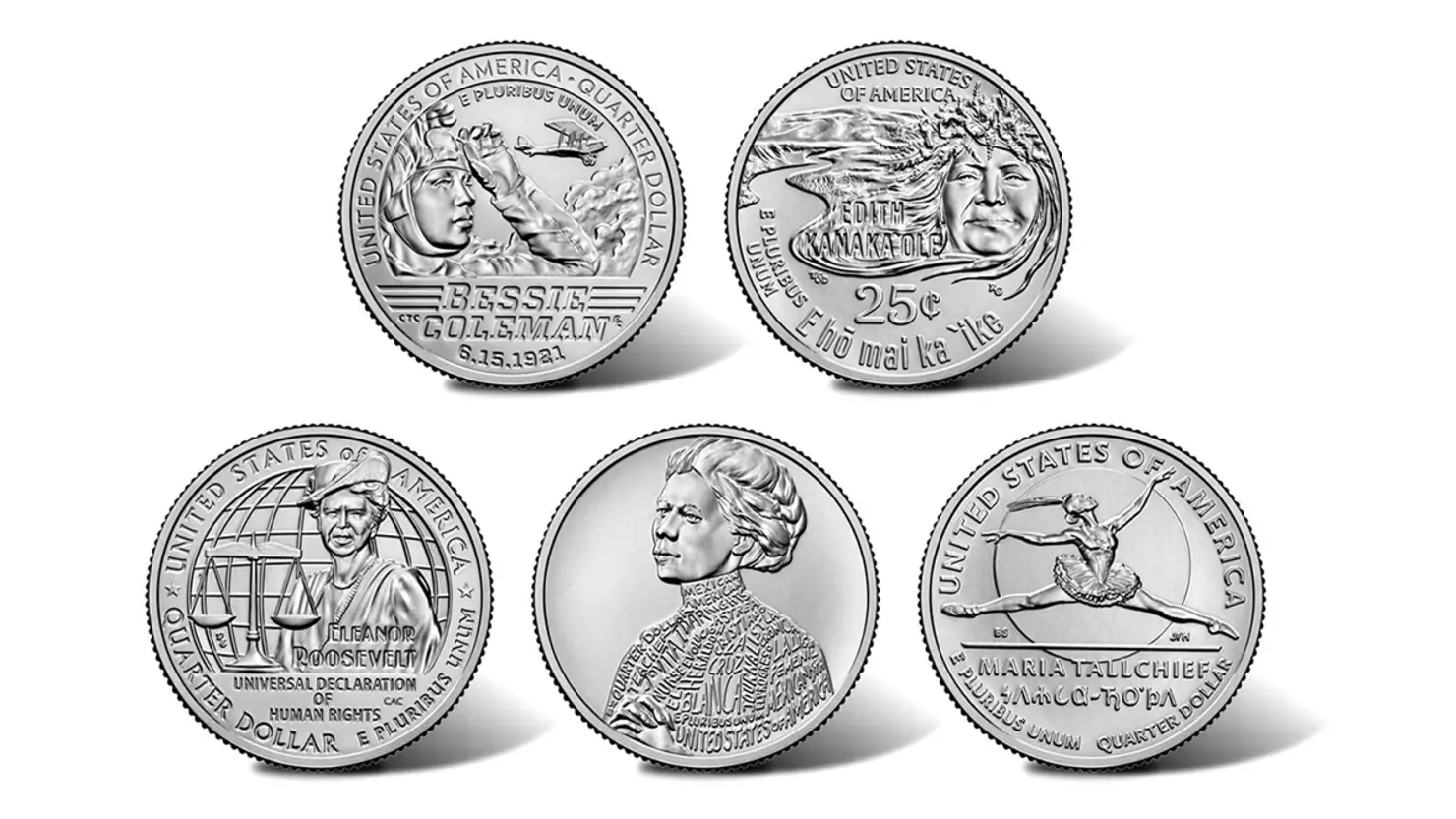
Collectors and investors often seek out Rare Quarterswith low mintage numbers, as scarcity is one of the key factors that drives a coin’s value. While most quarters in circulation are common, certain issues were produced in very limited quantities, making them highly sought after by numismatists. Understanding which rare quarters have low mintage, why they are valuable, and how to identify them can help enthusiasts and investors make informed decisions.
What Makes a Quarter Rare?
Not all quarters are rare. Certain characteristics set rare quarters apart from ordinary coins:
Low Mintage
A low mintage is a major factor in determining rarity. Quarters with fewer coins produced are naturally harder to find. For example, the 1932-D Washington quarter had a very limited mintage, making it one of the most prized rare quarters among collectors.
Condition and Preservation
Even quarters with low mintage may not be highly valuable if they are heavily worn. Coins preserved in excellent condition or graded as Mint State by professional organizations become some of the most expensive rare quarters.
Historical Significance
Quarters tied to significant historical events, anniversaries, or the introduction of new designs are often more collectible. These rare quarters carry both numismatic and historical value.
Notable Rare Quarters with Low Mintage
Several rare quarters stand out due to their extremely low mintage numbers and high demand:
1932-D Washington Quarter
Minted in Denver, the 1932-D quarter had a mintage of only 1,193,000. Due to its low availability, high-grade examples of this rare quarter have sold for tens of thousands of dollars at auction, making it one of the most coveted in the Washington quarter series.
1932-S Washington Quarter
Produced in San Francisco, the 1932-S quarter saw a mintage of just 1,069,000. This coin’s scarcity and historical significance have made it a record-setting rare quarter, with collectors willing to pay over $100,000 for high-quality specimens.
1950-D Washington Quarter
Although minted later, the 1950-D quarter had a relatively low mintage for the Denver Mint, especially in uncirculated condition. This rare quarter has become a key target for collectors aiming to complete high-grade collections.
State Quarters with Limited Production
Certain state quarters, particularly those released late in the program with lower mintages, are considered rare quarters. Collectors often track the mintage figures to identify coins likely to appreciate in value.
Why Low Mintage Rare Quarters Are Valuable
Collectors are willing to pay a premium for rare quarters with low mintage numbers due to several factors:
Scarcity and Demand
The principle of supply and demand directly impacts value. Rare quarters with limited production are scarce, and collectors compete to acquire them, driving prices higher.
Investment Potential
Many collectors view rare quarters with low mintage as an investment. Their limited numbers and historical significance often lead to appreciation over time, making them appealing as tangible assets.
Certification and Grading
Professional grading by organizations such as the Professional Coin Grading Service (PCGS) or Numismatic Guaranty Corporation (NGC) enhances the value of rare quarters. Certified coins confirm authenticity and condition, which is especially important for low mintage coins.
How to Identify Rare Quarters with Low Mintage
Finding rare quarters requires attention to detail and a basic understanding of coin characteristics:
Check Mint Marks
Mint marks indicate the mint location. Coins from the Denver (“D”) or San Francisco (“S”) mints during low-production years are often rare quarters worth examining closely.
Research Mintage Numbers
Consult coin catalogs or online databases to compare mintage figures. Coins with significantly lower numbers than others in their series are prime candidates for rare quarters.
Inspect for Condition
Even low mintage quarters may not be valuable if heavily circulated. Look for coins with minimal wear, strong strike details, and no damage. These rare quarters hold the highest market value.
Conclusion
Rare quarters with low mintage numbers represent some of the most sought-after coins in numismatics. From the iconic 1932-D and 1932-S Washington quarters to later low-production state quarters, these coins combine scarcity, historical significance, and investment potential. By understanding mint marks, checking mintage numbers, and assessing condition, collectors and investors can identify rare quarters that may appreciate over time.