Top Strategies for Effective Commercial Carpet Cleaning in Your Business Environment
Understanding Commercial Carpet Cleaning
What is Commercial Carpet Cleaning?
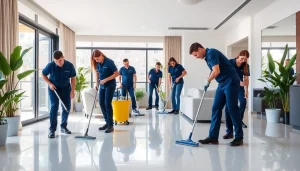
Commercial carpet cleaning refers to the specialized process of cleaning carpets in business and commercial spaces. Unlike residential cleaning, which can often be done with basic methods, commercial spaces require more advanced techniques due to higher foot traffic, tougher stains, and the need for prompt service, often without disrupting business operations. The approach typically combines various methods such as hot water extraction, dry cleaning, and encapsulation depending on the carpet type and soiling level. Regular commercial carpet cleaning ensures a hygienic, inviting environment for employees and clients alike.
Benefits of Regular Carpet Maintenance
Keeping carpets in commercial settings well-maintained not only improves aesthetic appeal but also extends their lifespan significantly. Regular maintenance can prevent dirt and grime buildup, which otherwise could lead to permanent stains and wear. The benefits include:
- Improved Indoor Air Quality: Cleaning carpets regularly reduces allergens and dust mites, promoting a healthier workplace.
- Enhanced Appearance: Clean carpets create a positive impression and contribute to overall branding.
- Increased Longevity: Routine maintenance helps prolong the life of the carpets, reducing the frequency of costly replacements.
- Cost Efficiency: Investing in regular cleaning can save money in the long run by minimizing major damage and the need for extensive cleaning or replacement services.
Common Challenges in Carpet Care
While commercial carpet cleaning brings numerous benefits, it also comes with its own set of challenges. Some common challenges include:
- High Traffic Areas: These areas are prone to quicker wear and often require more frequent cleaning.
- Stain Management: Spills from food and drinks can lead to stains that are difficult to remove without professional help.
- Odor Issues: Carpets in high-traffic areas can retain odors, necessitating regular deep cleaning.
- Inconsistent Cleaning Techniques: Variations in cleaning methods can lead to uneven results, necessitating standardized practices.
Selecting the Right Cleaning Methods
Different Types of Carpet Cleaning Techniques
Choosing the appropriate carpet cleaning technique is critical for ensuring effective maintenance. Common methods include:
- Steam Cleaning (Hot Water Extraction): This widely used method involves injecting hot water and a cleaning solution into the carpet, followed by suctioning the water back out.
- Dry Cleaning: Using minimal moisture, this method employs special solvents to dissolve grease and dirt.
- Encapsulation: This modern technique captures dirt in crystals that can be vacuumed away, ideal for low-moisture environments.
- Shampooing: While effective in removing heavy dirt, this method is less commonly used today due to its tendency to leave residues.
Factors Influencing Method Selection
The selection of a carpet cleaning method depends on various factors, including:
- Type of Carpet: Different materials such as wool, nylon, or polyester may require specific cleaning approaches.
- Soiling Levels: Heavily soiled carpets may necessitate more robust methods like steam cleaning.
- Time Constraints: Some methods, like steam cleaning, require drying time, which may not be suitable for all environments.
- Maintenance Budget: Costs associated with different methods and frequency of cleaning should factor into the decision.
Comparative Analysis of Cleaning Solutions
When choosing cleaning solutions, it’s essential to evaluate their effectiveness, safety, and environmental impact. Solutions can vary widely: conventional cleaning chemicals may offer quick results but could be harmful to indoor air quality and ecology. Opting for eco-friendly cleaning solutions can mitigate health risks while still delivering excellent cleaning results. Additionally, many professional services now provide green cleaning options that meet or exceed traditional cleaning standards.
Choosing Equipment for Carpet Cleaning
Essential Tools for Effective Cleaning
Effective commercial carpet cleaning requires the right tools and equipment. Essential items include:
- Vacuum Cleaners: High-efficiency models designed for commercial settings can meet the demands of heavy use.
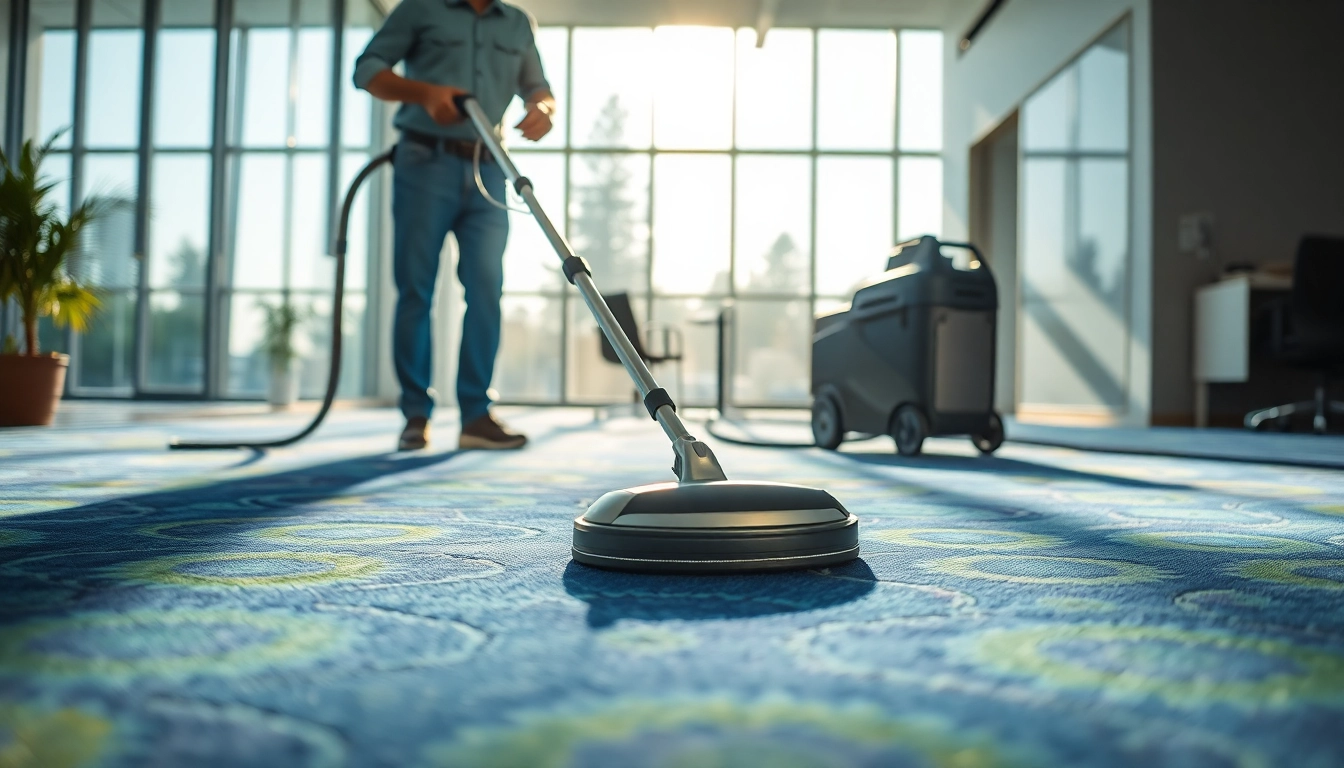
- Hot Water Extractors: These machines are critical for deep cleaning, providing the high temperatures necessary for effective results.
- Carpet Scrubbers: For removing ingrained dirt, specialized scrubbers can enhance cleaning efficiency.
- Pressure Washers: Ideal for outdoor carpets or matting, these can tackle tough exterior stains.
Innovative Technologies in Carpet Cleaning
The carpet cleaning industry has seen advancements in technology that have revolutionized methods and effectiveness:
- Robotic Cleaners: These automated devices can clean floors efficiently while minimizing labor costs.
- Infrared Technology: New cleaning technologies utilize infrared to detect soiling levels and optimize cleaning processes.
- Green Cleaning Technologies: Innovations are continually emerging that provide effective cleaning with lower environmental impacts.
- Smart Equipment: IoT devices can track cleaning schedules and usage, optimizing maintenance strategies.
Cost-Benefit Analysis of Equipment Investment
Choosing the right equipment is not just about upfront costs but also long-term value and efficiency. Performing a cost-benefit analysis can aid in decision-making:
- Initial Costs: This includes purchasing or leasing equipment.
- Operational Costs: Assess the overall costs for maintenance, training, and utilities.
- Time Savings: Equipment that allows faster cleaning can reduce downtime, increasing productivity.
- Enhanced Cleaning Quality: Investing in high-quality equipment often leads to better results, minimizing customer complaints.
Best Practices for Maintaining Carpet Cleanliness
Daily Maintenance Tips for Longevity
Implementing daily maintenance routines significantly extends the life of commercial carpets. Best practices include:
- Regular Vacuuming: Use high-quality vacuum cleaners daily or multiple times a week, depending on foot traffic.
- Implementing Walk-Off Mats: Place mats at entrances to trap dirt before it reaches the carpet.
- Spot Cleaning: Address spills immediately using appropriate cleaning products to prevent setting in stains.
- Regular Inspection: Conduct weekly inspections to identify problem areas before they become major issues.
Seasonal Deep Cleaning Recommendations
Annual deep cleaning is essential for maintaining carpet hygiene and appearance. Recommended practices include:
- Hot Water Extraction: Implement this method at least once a year for deep cleaning.
- Professional Cleaning Services: Consider hiring professionals for comprehensive cleaning every six months, especially in high-use areas.
- Carpet Protection Treatments: Apply treatments such as sealants or protectants after deep cleaning to enhance stain resistance.
- Check for Repairs: Utilize deep cleaning as an opportunity to inspect and repair any damaged areas of the carpet.
Preventive Measures Against Stains
Preventing stains is more effective than removing them. Consider these preventive measures:
- Utilize Stain-Resistant Carpets: Consider using carpets with built-in stain resistance when possible.
- Regular Treatments: Apply stain protectors to carpets and upholstery periodically to create a barrier against stains.
- Educate Employees: Provide training on the importance of reporting spills and maintaining cleanliness.
- Scheduled Maintenance: Develop a maintenance schedule that includes periodic assessments and cleaning based on usage patterns.
Measuring Success in Carpet Care
Key Performance Indicators for Carpet Cleaning
Measuring the effectiveness of carpet cleaning efforts involves tracking specific Key Performance Indicators (KPIs) such as:
- Carpet Lifespan: An increase in lifespan indicates effective cleaning and maintenance regimens.
- Customer Satisfaction Scores: High satisfaction rates correlated with cleanliness are positive indicators.
- Number of Complaints: Reduced complaints regarding cleanliness indicate effective practices.
- Cleaning Frequency: Assess if the frequency of cleaning aligns with foot traffic and usage patterns.
Customer Feedback and Satisfaction Metrics
Gathering feedback is crucial for continuous improvement. Employ these methods:
- Surveys: Regularly distribute surveys post-cleaning to gather valuable insights.
- Focus Groups: Conduct sessions with employees or clients to discuss cleanliness and areas for improvement.
- Rating Systems: Implement internal rating systems to assess cleanliness post-cleaning.
- Online Reviews: Monitor online reviews to gain broader feedback on the public perception of carpet cleanliness.
How to Evaluate Cleaning Outcomes
Evaluating cleaning outcomes can be accomplished through comprehensive assessments. Strategies include:
- Visual Inspections: Conduct thorough inspections post-cleaning to evaluate effectiveness.
- Use of Technology: Leverage moisture meters and other devices to assess carpet cleanliness thoroughly.
- Compartive Metrics: Compare KPI metrics over time to gauge performance trends.
- Follow-Up Surveys: Implement follow-up surveys after cleaning to assess immediate customer satisfaction.
Frequently Asked Questions (FAQs)
What is the ideal frequency for commercial carpet cleaning?
The recommended frequency for commercial carpet cleaning is every 6-12 months, depending on foot traffic.
Can carpet cleaning eliminate odors?
Yes, professional carpet cleaning can effectively remove odors caused by spills, pets, or mildew.
How can I remove a stain quickly?
Blot the area immediately with a clean cloth, then apply a carpet cleaning solution specific to the stain type.
Is it safe for my employees to be present during cleaning?
Most cleaning methods are safe, but it’s best to schedule cleanings during off-hours to minimize disruption.
Are eco-friendly cleaning solutions effective?
Yes, many eco-friendly cleaning solutions are just as effective as traditional methods and are safer for indoor environments.