Defining Wildfire Events
What Are Wildfire Events?
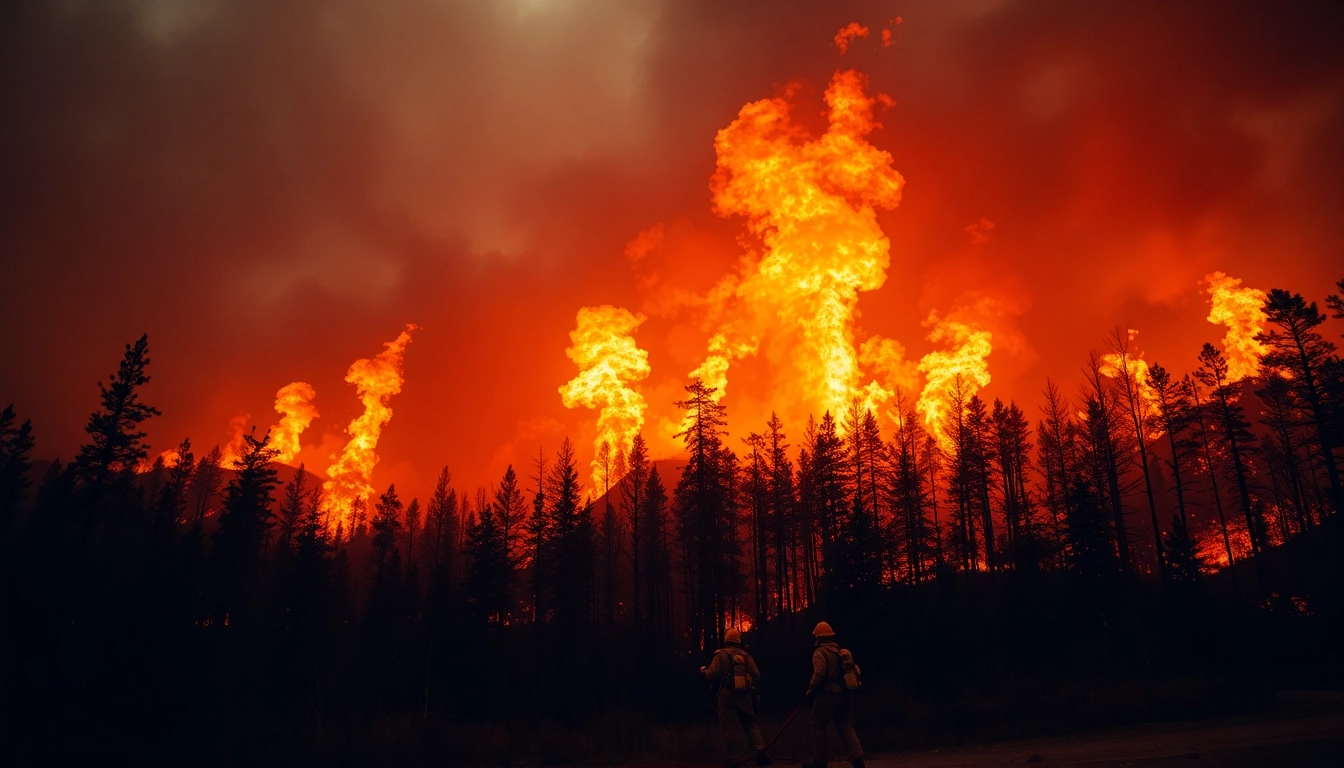
Wildfire events are uncontrolled fires that occur in forested or grassland areas, which may also impact other environments. These fires can arise from natural occurrences or human actions and can spread rapidly, fueled by dry conditions, vegetation, and wind. They serve as a natural process that can regenerate ecosystems but also pose significant risks to human life, property, and the environment. Understanding the dynamics of Wildfire events is essential for developing effective management strategies and responding to these potentially devastating incidents.
Types of Wildfire Events
Wildfire events can be classified into several categories based on their size, intensity, and behavior:
- Ground Fires: These fires burn on the surface layer of the soil, affecting duff and organic material.
- Surface Fires: These fires consume the ground cover, including grass and shrubs, spreading moderately fast.
- Crown Fires: These fires jump from treetop to treetop, driven by dry conditions and high winds.
- Prescribed Fires: Controlled burns conducted by professionals to manage vegetation and reduce fuel buildup.
- Wildland Fires: Fires that may start in wildland areas but could impact human structures and environments.
Factors Influencing Wildfire Events
Several factors play a critical role in the frequency and intensity of wildfire events:
- Weather Conditions: Temperature, humidity, and wind speed directly influence fire activity.
- Vegetation Type: Different types of vegetation have varying flammability and fuel characteristics.
- Topography: Slopes can accelerate fire spread, while valleys may shield certain areas.
- Human Activity: Land use practices and fire management can significantly affect wildfire outcomes.
The Causes of Wildfire Events
Natural Causes of Wildfire Events
Natural causes of wildfires include lightning strikes, volcanic eruptions, or spontaneous combustion of dry materials. Lightning is the most common natural cause, especially during dry thunderstorms. These types of wildfires can ignite and spread rapidly, particularly in remote or less managed areas where access is limited.
Human Induced Wildfire Events
Human activities, including land clearing, arson, discarded cigarettes, and equipment use, are significant contributors to wildfire events. Each year, a substantial portion of wildfires is sparked by human negligence or intentional acts, underscoring the importance of prevention and public awareness campaigns aimed at reducing these incidents.
The Role of Climate Change
Climate change is increasingly recognized as a major factor exacerbating wildfire events. Rising temperatures contribute to prolonged dry seasons, while altered precipitation patterns lead to more intense droughts in certain regions. These shifts create ideal conditions for wildfires, increasing the frequency and scale of these catastrophic events.
Impact of Wildfire Events
Environmental Consequences
The environmental impacts of wildfire events can be profound and far-reaching. Healthy ecosystems can benefit from periodic fires that promote biodiversity and regeneration. However, severe wildfires can lead to habitat destruction, soil erosion, and a temporary decline in air quality. Recovery can take years, especially in ecosystems with low resilience.
Health Risks Associated with Wildfire Events
Wildfires pose significant health risks due to the smoke and ash released into the atmosphere. This can lead to respiratory issues, eye irritation, and skin problems for those exposed. Vulnerable populations, including the elderly and those with pre-existing health conditions, face increased risks during wildfire events.
Economic Impacts of Wildfire Events
The economic implications of wildfires can be staggering. Wildfire damage can affect property values, disrupt local economies, and cost millions in firefighting efforts and recovery. Investments in preventive measures, such as firebreaks and community education, can help mitigate future economic losses.
Preventing Wildfire Events
Best Practices in Wildfire Management
Effective wildfire management requires a multifaceted approach, including:
- Fuel Management: Regularly clearing out underbrush and dead vegetation reduces fire intensity.
- Controlled Burns: Conducting prescribed fires can minimize excessive fuel buildup.
- Community Involvement: Engaging local communities in wildfire prevention efforts enhances preparedness.
Community Preparedness for Wildfire Events
Communities should implement preparedness plans that include creating defensible spaces around homes, developing evacuation routes, and educating residents about fire risks. Neighborhood cooperation and preparedness drills can foster resilient communities capable of responding effectively when wildfires occur.
Role of Technology in Wildfire Prevention
Advancements in technology play a critical role in the prevention and management of wildfire events. Satellite imagery, drones, and predictive modeling can enhance monitoring capabilities and assist in real-time decision-making during fire outbreaks. The implementation of fire detection systems can provide alerts before wildfires escalate.
Responding to Wildfire Events
Emergency Response Strategies
An effective emergency response strategy is crucial for minimizing the impact of wildfire events. This involves coordination between local emergency services, government agencies, and community organizations. Key strategies may include:
- Evacuation Protocols: Clear routes and plans for safely evacuating residents from danger zones.
- Resource Allocation: Efficient use of firefighting resources can enhance response efforts.
- Public Communication: Keeping the community informed about fire developments and safety measures.
Post-Wildfire Recovery Efforts
Post-wildfire recovery is often lengthy and complex, requiring rebuilding efforts and ecological restoration. These efforts involve assessing damage, providing support to affected individuals and businesses, and implementing continuous monitoring to prevent further issues like soil erosion and invasive species proliferation.
The Future of Wildfire Events Management
As climate change continues reshaping fire patterns, the future of wildfire management must adapt accordingly. Strategies will need to incorporate innovative technologies, sustainable practices, and ongoing community engagement to build resilience against heightened wildfire risks. Integrated approaches that consider ecological, social, and economic factors will be essential in tackling the challenges posed by future wildfire events.
Frequently Asked Questions
What is the most famous wildfire in history?
The Peshtigo Fire is noted as the deadliest wildfire in history, occurring in Wisconsin and resulting in massive loss of life, yet it is often overshadowed by the Great Chicago Fire that occurred on the same night.
How can individuals prepare for wildfire events?
Individuals can prepare by creating a defensible space around their homes, developing an emergency plan, staying informed through local alerts, and participating in community preparedness programs.
What role does climate change play in wildfires?
Climate change contributes to longer dry seasons and unpredictable weather patterns, creating conditions that significantly increase the likelihood and intensity of wildfires.
What are controlled burns?
Controlled burns are intentional, managed fires used to reduce excess vegetation and debris, ultimately minimizing the risk of uncontrolled wildfires while promoting ecosystem health.
How do wildfires affect air quality?
Wildfires release smoke and particulate matter into the air, significantly degrading air quality and posing risks to respiratory health, particularly for vulnerable populations.