
Designing the Perfect Cape Cod Home: Key Features and Considerations
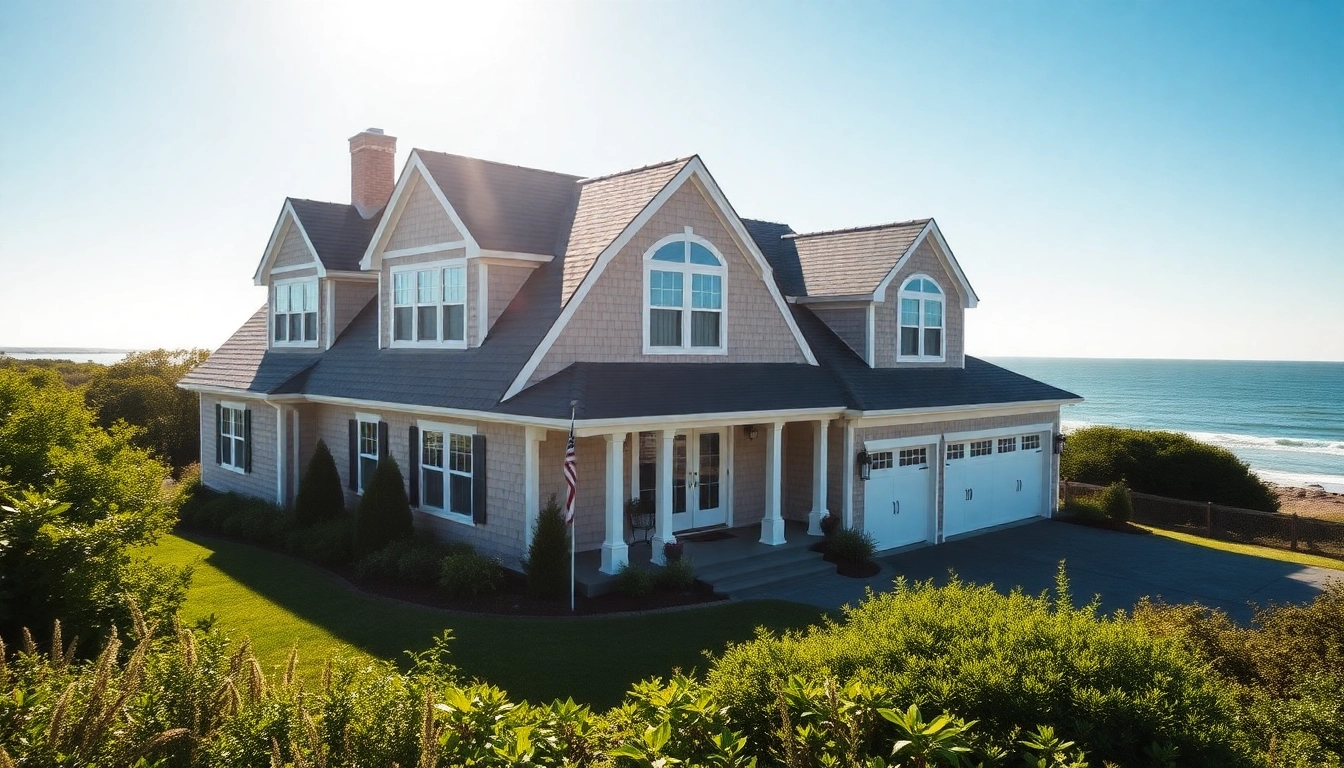
Understanding the Cape Cod Home Style
Historical Origins of Cape Cod Homes
The cape cod home style traces its origins back to the early settlers of New England in the 17th century. Designed to withstand the harsh coastal climate, these homes were characterized by their simple, functional form. Early colonists built them using readily available materials such as wood and thatch. The iconic sloping roof was a response to heavy snowfall, ensuring that the weight would slide off rather than collapse the structure. This basic form also allowed easy construction without the need for advanced tools, making it ideal for those early American builders.
Architectural Characteristics and Features
Cape Cod homes are renowned for their design simplicity and efficiency. The most notable characteristics include:
- Symmetrical Facade: The front of the house typically showcases a centered front door flanked by evenly spaced windows, promoting a balanced appearance.
- Steep Roof Pitch: The steep roof not only sheds snow but typically features dormer windows, which add natural light to the upper levels.
- Wood Siding: Traditional Cape Cod homes make use of horizontal wood siding painted in muted colors, reflecting the coastal landscape.
- Chimneys: A prominent brick or stone chimney often emerges from the center of the roof, symbolizing hearth and home.
Overall, these features contribute to a cozy, inviting atmosphere that emphasizes utility and connection to the natural environment.
Modern Adaptations of Cape Cod Design
While the Cape Cod style has evolved, many modern adaptations respect traditional designs while incorporating contemporary needs. These homes now often include:
- Open Floor Plans: A flexible layout that maximizes space and facilitates better flow between living areas.
- Sustainable Materials: Eco-friendly construction materials are increasingly popular, reflecting a modern commitment to sustainability.
- Smart Home Technology: Integration of technology to enhance convenience, from automated lighting to energy management systems.
Emerging designs also blend the Cape Cod aesthetic with elements from other architectural styles, creating hybrid structures that appeal to diverse tastes while maintaining the home’s essential charm.
Planning Your Cape Cod Home Expansion
Assessing Your Needs and Goals
Before embarking on a home expansion project, it’s crucial to define your specific needs and long-term goals. Consider the following questions:
- What is the primary purpose of the expansion? Is it for additional living space, storage, or perhaps a new garage?
- How will the expansion affect your lifestyle? Will it accommodate growing family needs or enhance your entertaining space?
- Are there local zoning laws or regulations that could impact your plans?
A clear understanding of your objectives will help guide the design process and ensure the expansion aligns with your vision for the cape cod home.
Budgeting for Your Project
Budgeting is a critical aspect of any home expansion. Typical costs for expanding a Cape Cod house can range from $100 to $300 per square foot, depending on factors such as:
- Design complexity
- Material quality
- Labor costs in your region
- Permitting and inspection fees
It’s advisable to account for unexpected expenses by adding a contingency fund of 10% to 20% of the overall budget. This preparation can prevent financial strain during the project.
Choosing the Right Architect and Builder
The success of your expansion largely hinges on your choice of architect and builder. Here are steps to help you select the right professionals:
- Research Local Experts: Look for architects and builders who specialize in Cape Cod designs or have experience with local styles.
- Check References: Ask for references and reviews from previous clients to gauge their satisfaction with the work performed.
- Review Portfolios: Examine past projects to see if the aesthetic aligns with your vision for your cape cod home.
Engaging both an architect and a builder in the conceptual stages of your expansion will facilitate better communication and a smoother construction process.
Incorporating an Attached Garage
Benefits of an Attached Garage in Cape Cod Homes
Adding an attached garage to your Cape Cod home offers numerous advantages:
- Convenience: Easy access to your vehicle, especially during inclement weather, is a significant benefit.
- Additional Storage: An attached garage can serve as a utility space for tools and equipment, catering to various needs.
- Increased Property Value: Homes with attached garages generally have higher resale values, appealing to prospective buyers.
These benefits make the attached garage not just a functional addition but a strategic investment in your property.
Designing the Garage to Match Your Home
Design plays a critical role in ensuring the garage complements the aesthetic of your Cape Cod home. Consider the following elements:
- Matching Materials: Use similar wood siding and roof materials as the main house to create visual harmony.
- Roof Style: A gabled roof mirroring the house’s profile helps integrate the garage into the overall design.
- Color Palette: Select colors that resonate with your home’s exterior to maintain a cohesive look.
A well-designed garage enhances your home’s curb appeal, contributing positively to the neighborhood aesthetic.
Maximizing Space and Functionality
When incorporating an attached garage, maximizing space and utility is essential. Consider how to:
- Implement Smart Storage Solutions: Use wall-mounted shelves and overhead storage to keep the floor space clear.
- Include a Workshop Area: If you’re an enthusiast, build a dedicated space with workbenches to keep everything organized.
- Ensure Adequate Lighting: Install natural light sources, like windows or skylights, along with adequate overhead lighting for safety and visibility.
Thoughtful planning can transform your garage from mere parking space to a functional area that enhances your everyday life.
Landscaping Around Your Cape Cod Home
Choosing Native Plants for Coastal Gardens
Landscaping for Cape Cod homes should incorporate native plants that can thrive in coastal conditions. These plants, adapted to the local environment, offer several benefits such as:
- Low Maintenance: Native plants typically require less water and care, making them ideal for homeowners.
- Ecological Benefits: They support local wildlife and contribute to biodiversity.
- Aesthetic Appeal: Native flora can create beautiful, seasonally changing landscapes reminiscent of the region’s natural beauty.
Some popular choices include beach grasses, hydrangeas, and other coastal perennials that add color and texture to your yard.
Creating Outdoor Living Spaces
Outdoor living areas extend the functionality of your Cape Cod home. Whether it’s a patio, deck, or garden, these spaces offer room for relaxation and entertainment. Important elements to consider include:
- Seating Arrangements: Comfortable seating makes an outdoor space inviting, whether with built-in benches or classic patio furniture.
- Fire Pits: A focal point that encourages gatherings and can be enjoyed year-round.
- Shade Solutions: Consider awnings or pergolas to provide comfort during sunny days while adding charm to your outdoor area.
Creating well-designed outdoor spaces enhances the overall enjoyment of your cape cod home.
Maintaining Your Landscape Year-Round
Regular maintenance is essential for a vibrant landscape. Tips to keep your outdoor space thriving include:
- Seasonal Cleanup: Remove debris, leaves, and dead plants to prevent pest infestations and disease.
- Mulching: Apply a fresh layer of mulch annually to provide nutrients to plants and minimize weed growth.
- Regular Pruning: Trim plants to encourage growth and maintain their shape, fostering a healthy garden.
With continuous care and attention, your landscape will remain a stunning complement to your Cape Cod home throughout the seasons.
FAQs About Cape Cod Home Expansions
What is a typical cost for a Cape Cod home expansion?
Costs vary based on size and design, typically ranging from $100 to $300 per square foot.
How can I maintain the traditional look of my Cape Cod home?
Use classic materials like wood siding and maintain a simple color palette for authenticity.
Is it wise to add an attached garage?
Yes, an attached garage enhances convenience and can boost your property’s value.
What landscaping works best with a Cape Cod home?
Choose coastal-friendly plants, like hydrangeas, and create inviting pathways for a classic look.
How do I select colors for my Cape Cod home?
Opt for soft, muted tones, such as seafoam green or soft white, inspired by coastal landscapes.