Quality and Sustainability: Your Guide to Successful Linen Clothing Manufacturing
Understanding Linen Clothing Manufacturing
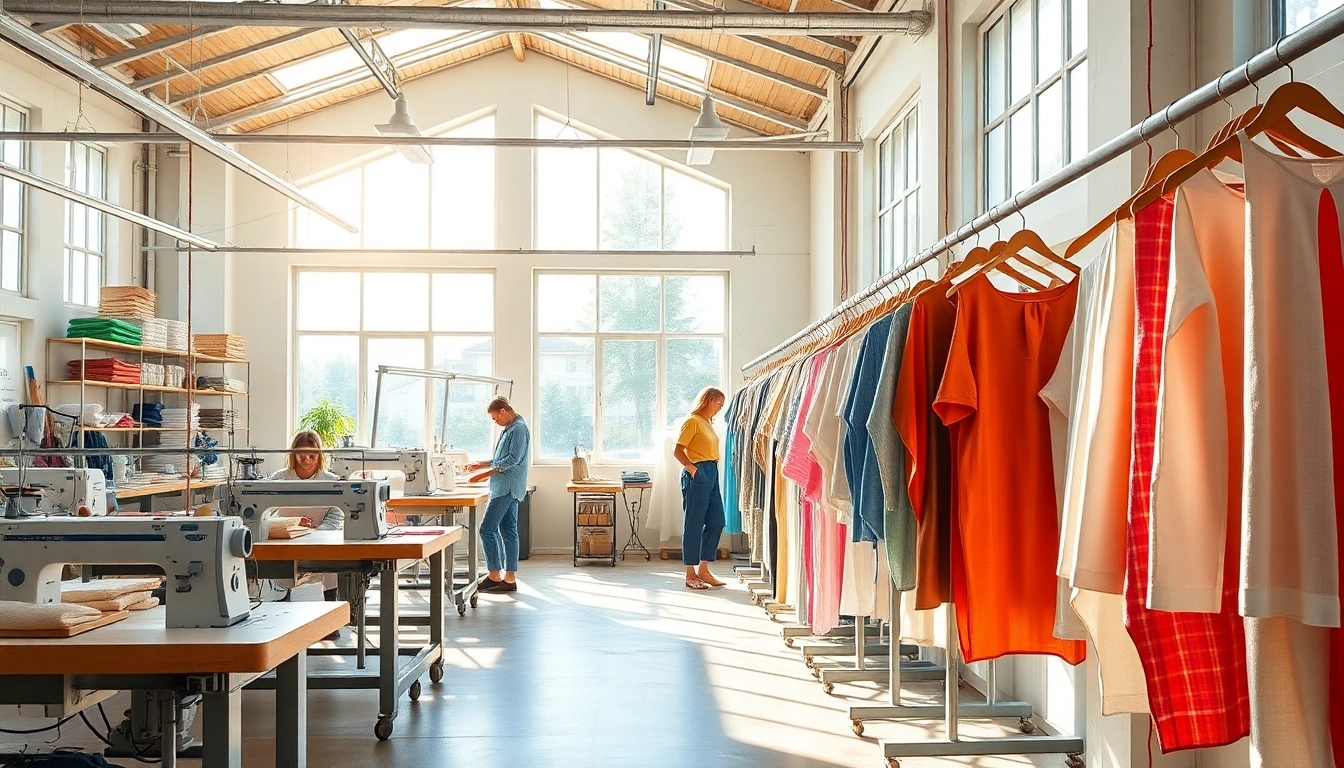
Linen clothing manufacturing is a unique process centered around one of the most sustainable fabrics in the textile industry. Known for its natural, breathable, and lightweight properties, linen has gained immense popularity for creating stylish and comfortable apparel. A reliable Linen clothing manufacturer knows the intricacies of linen production, from cultivation to finishing, ensuring products are of high quality and environmentally responsible.
What is Linen?
Linen is a textile made from the fibers of the flax plant. It is one of the oldest known textiles, dating back thousands of years. Linen fibers are long, which lends strength and durability to the fabric, making it a robust choice for clothing. This natural fiber is highly absorbent and dries quickly, showcasing properties that lend well to warm weather apparel. The process of transforming flax into linen involves several stages, including harvesting, retting, breaking, scutching, and spinning, before the fibers are woven into fabric.
Benefits of Linen Clothing
The benefits of linen clothing are numerous, contributing not only to wearer comfort but also to environmental sustainability.
- Breathability: Linen clothing allows for improved air circulation, making it ideal for hot climates.
- Moisture-wicking: Linen can absorb moisture without losing its fresh appearance, providing comfort even in humid conditions.
- Durability: With proper care, linen garments become softer over time while maintaining integrity, resulting in a long-lasting product.
- Biodegradability: As a natural material, linen is fully biodegradable, lessening its environmental impact compared to synthetic fibers.
- Hypoallergenic: Linen generally does not irritate the skin, making it suitable for people with allergies.
Overview of Linen Fabric Production
The production of linen fabric begins with the cultivation of flax plants, which require minimal pesticides and fertilizers, emphasizing its sustainability. Once harvested, the flax undergoes a retting process, allowing the fibers to separate from the stem. Following this, the fibers are broken and scutched to remove any remaining woody material before being spun into yarn. These steps represent both traditional craftsmanship and advanced techniques to achieve the finest linen fabric. Finally, the yarn is woven or knitted into linen fabric, ready to be transformed into fashionable clothing items.
Choosing the Right Linen Clothing Manufacturer
Selecting a suitable linen clothing manufacturer is crucial for brands looking to deliver quality products. The right manufacturer not only meets production demands but also aligns with brand values regarding sustainability and ethical practices.
Key Factors to Consider
When evaluating potential manufacturers, brands should consider several key factors:
- Experience: Look for manufacturers with a proven track record in linen production.
- Capacity: Ensure the manufacturer can meet your order volumes without compromising quality.
- Location: Proximity to production facilities can impact shipping costs and timelines.
- Reputation: Investigate reviews and testimonials from previous clients to gauge reliability and service quality.
Evaluating Quality and Sustainability Practices
Quality is paramount in linen clothing manufacturing. Brands should conduct thorough assessments of potential suppliers, checking for certifications that indicate sustainable practices, such as OEKO-TEX and GOTS. Additionally, assessing the traceability of the flax used in production is crucial; manufacturers committed to ethical sourcing should clearly document their supply chain.
Cost Considerations for Manufacturers
While cost is a significant factor, brands must balance budget constraints with quality and compliance. Often, choosing a cheaper manufacturer may lead to compromises in paid wages, environmental impacts, and fabric quality. A transparent pricing structure will help brands understand the true cost of production while ensuring fair practices throughout the manufacturing process.
Design Trends in Linen Clothing
Linen’s versatility makes it a favorite in the fashion industry, with its natural texture offering unique styling opportunities for designers.
Current Fashion Trends with Linen
In recent years, there’s been a resurgence of interest in classic styles made contemporary with linen fabric. Casual beachwear, relaxed cuts, and flowy silhouettes are all trending, highlighting linen’s natural drape. Upscale designers incorporate linen into tailored suits and chic dresses, making it a staple fabric across all categories of clothing.
Color Palettes and Textures
Neutral tones continue to dominate linen clothing, embracing earth tones and soft pastels that accentuate its natural qualities. However, bolder colors and unique dyeing techniques are on the rise; tie-dye and ombre effects create visually captivating designs, reflecting a playful trend in linen apparel. Mixing textures also provides interest, with linen frequently paired with other natural fibers to enhance depth and style.
Innovative Uses of Linen in Apparel Design
Designers are increasingly experimenting with linen’s properties. For example, hybrid designs incorporating linen with stretchable materials help blend comfort with style. Furthermore, some brands are exploring eco-friendly treatments that enhance water resistance and wrinkle resistance without sacrificing the genuine feel of linen fabric.
Sourcing Quality Linen Fabric
Sourcing quality linen fabric is vital for manufacturers and brands focused on providing premium products.
Where to Source Quality Linen
Quality linen can be sourced from regions recognized for flax cultivation, such as Belgium and France. These areas have established textile mills with rich histories in linen production, ensuring high standards throughout manufacturing. Engaging with textile trade shows and industry expos can also connect buyers with reputable fabric suppliers.
Verification of Fabric Suppliers
Before finalizing partnerships, manufacturers should verify fabric suppliers through comprehensive audits, including facility visits, quality checks, and sustainability certifications. Transparent communication regarding fabric origins and production methods is essential for establishing trustworthy relationships.
Ensuring Ethical Sourcing Practices
Ethical sourcing should be non-negotiable in today’s manufacturing practices. Brands must ensure that their linen suppliers adhere to fair labor practices and environmental regulations. Third-party certifications can assist in verifying these ethical standards, contributing to a brand’s responsible image in the market.
Common Challenges in Linen Clothing Manufacturing
While the benefits of linen are significant, manufacturing with this fabric does come with its own set of challenges.
Addressing Quality Control Issues
Quality control in linen clothing manufacturing can be complicated due to the natural variance in fibers. Implementing stringent quality control systems at each production stage can help mitigate these issues. Regular inspections and testing, along with monitoring production processes, ensure consistent quality in the final products.
Navigating Supply Chain Disruptions
Supply chain challenges can arise from various factors, including global events or local disruptions. Manufacturers must develop a diversified sourcing strategy that reduces reliance on a single supplier. Additionally, maintaining a buffer stock of key materials can help cushion against supply interruptions.
Adapting to Market Demands and Trends
The fashion market is continuously evolving; thus, manufacturers must stay agile and responsive to emerging trends. Employing market research and consumer feedback can inform production decisions, helping manufacturers align with current consumer preferences and expand their offerings accordingly.
FAQs
1. What makes linen a sustainable fabric option?
Linen is sustainable because it is made from the flax plant, which requires minimal pesticides and water. It is biodegradable and has a low environmental impact compared to synthetic fabrics.
2. Can linen clothing be machine washed?
Yes, linen clothing can be machine washed on a gentle cycle. To maintain its texture and longevity, it’s advisable to air dry or tumble dry on a low setting.
3. Is linen suitable for all seasons?
Linen is breathable and moisture-wicking, making it excellent for summer. However, it can also be layered for cooler seasons, showcasing its versatility in fashion.
4. How do I prevent linen from wrinkling?
5. What styles are popular in linen clothing?
Popular styles include relaxed, oversized silhouettes, tailored suits, and casual beachwear. Linen’s adaptability makes it suitable for both high fashion and everyday wear.