
Elevate Your Space with Custom Kitchen Cabinets for Every Style
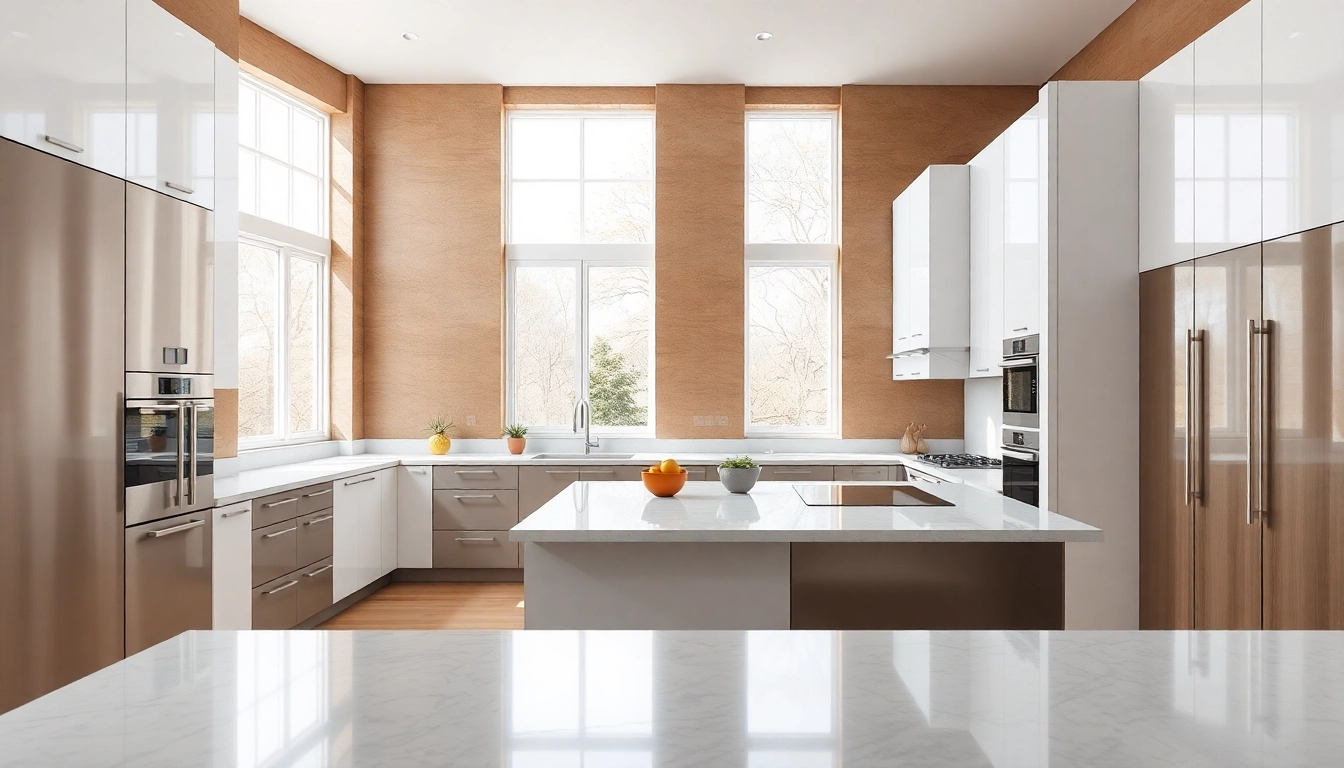
Understanding Custom Kitchen Cabinets
What are Custom Kitchen Cabinets?
Custom kitchen cabinets represent a tailored solution to kitchen design, offering homeowners the opportunity to create a space that perfectly aligns with their aesthetic preferences and functional needs. Unlike stock cabinets that come in predetermined sizes and styles, custom kitchen cabinets are built specifically for your kitchen layout, ensuring a seamless fit and optimal use of space. They are often crafted from higher quality materials and offer a range of design options that include everything from style, finish, and hardware to intricate details that showcase personal taste.
Benefits of Custom Kitchen Cabinets
Opting for custom kitchen cabinets provides numerous benefits that can transform your kitchen beyond mere aesthetics:
- Personalization: You can choose the wood species, finish, and construction style based on your taste.
- Space Optimization: Custom cabinets can be designed to fit into unique spaces, maximizing storage.
- Quality Craftsmanship: Generally, they are built from higher quality materials ensuring durability.
- Enhanced Functionality: Design features like pull-out shelves and specialized storage can be incorporated.
- Value Addition: They can increase your home’s resale value with well-designed and unique features.
Key Features to Consider
When designing custom kitchen cabinets, consider the following features:
- Cabinet Styles: Such as shaker, traditional, or modern.
- Drawer and Door Options: Incorporating soft-close mechanisms for convenience.
- Hardware Choices: Selecting knobs and pulls that match your kitchen’s theme.
- Interior Organization: Dividers, pull-outs, and lazy Susans for improved accessibility.
- Finish and Color: Choosing colors that align with your kitchen’s decor scheme.
Choosing the Right Materials
Wood vs. MDF: What to Know
Material choice is critical in custom kitchen cabinets. Traditional wood cabinets offer durability and aesthetic appeal, while Medium Density Fiberboard (MDF) presents a cost-effective alternative. Wood is generally preferred for its sturdiness and natural beauty, but MDF can be molded into intricate designs and often provides a smoother finish. Assess the pros and cons according to your budget and desired style.
Finishes that Make a Difference
Finishes can dramatically affect both the appearance and durability of custom kitchen cabinets. From glossy finishes that reflect light and create a modern feel to matte and satin finishes that offer a more subdued aesthetic, your choice should complement your kitchen’s overall design theme. Additionally, consider finishes that provide protection against moisture, stains, and scratches to prolong the lifespan of your cabinets.
Eco-Friendly Options for Green Homes
With a growing commitment to sustainability, eco-friendly materials, such as reclaimed wood or sustainably sourced timber, are viable options for custom kitchen cabinets. Look for manufacturers who adhere to environmentally friendly practices by using low-VOC (volatile organic compounds) finishes and adhesives that minimize harmful emissions. This choice not only benefits your household but also supports broader environmental conservation efforts.
Designing Your Kitchen Layout
Popular Layout Styles
When it comes to kitchen layouts, certain styles prevail due to functional and aesthetic merits:
- U-Shaped: Provides ample counter space and storage.
- L-Shaped: Encourages open flow and is ideal for smaller kitchens.
- Galley: Fosters efficient movement between work zones.
- Island: Adds both functional workspace and a social gathering area.
Each layout presents unique challenges and opportunities for integrating custom kitchen cabinets, requiring careful planning and consideration.
Maximizing Functionality with Custom Kitchen Cabinets
To create a truly functional kitchen, custom cabinets should be designed with utility in mind. This includes understanding the ‘kitchen work triangle’—the optimal distance between the sink, stove, and refrigerator. Additionally, including features such as pull-out pantry shelves, deep drawers for pots and pans, or hidden compartments for smaller appliances can significantly enhance usability. Tailoring your cabinets to fit your cooking habits and lifestyle will make your kitchen much more efficient.
Color Schemes and Aesthetics
The color palette of your kitchen can establish the overall mood of the space. Light colors tend to open up areas and create a sense of breathability, while darker hues can add warmth and intimacy. Selecting colors that harmonize with other areas of your home can create a cohesive look throughout your living space. Consider accent colors for hardware and fixtures to add character without overwhelming the overall design.
Installation Process for Custom Kitchen Cabinets
Preparing Your Space
Before installation, meticulous preparation of the space is essential. This includes measuring your kitchen accurately, ensuring walls and floors are even, and addressing potential plumbing or electrical issues that could affect cabinet placement. Clear all old cabinets and ensure the area is clean to avoid complications during the installation process.
Professional vs. DIY Installation
While some homeowners might consider DIY installation to save money, professional installation offers benefits in terms of accuracy and efficiency. Experienced installers can often identify design flaws and provide solutions that may not be apparent to a novice. However, if you possess the necessary skills and tools, DIY can be rewarding and cost-effective. Always weigh your skill set against the complexity of your cabinet design.
Common Installation Mistakes to Avoid
While installing custom kitchen cabinets, there are several common pitfalls to watch out for:
- Skipping the Level Check: Cabinets must be level for proper function.
- Neglecting Proper Support: Ensure heavy cabinets are securely supported to prevent damage.
- Mismeasuring: Double-check measurements before cutting or installing.
- Ignoring Expansion Gaps: Leave gaps for wood expansion; a crucial step in temperature-fluctuating environments.
Maintaining Your Custom Kitchen Cabinets
Cleaning Tips for Longevity
Regular maintenance is vital to preserve the beauty and integrity of your custom kitchen cabinets. Use gentle cleaners to avoid damaging the finish—opt for soap and warm water for daily cleaning. Wipe spills promptly and avoid abrasive tools that can scratch surfaces. For deeper cleanings, using a wood conditioner will help restore natural luster.
Repairing Common Issues
Over time, cabinets can encounter wear and tear. Common issues include scratches, dents, and loose hardware. For scratches, wood repair markers can be used to touch up areas. If you notice doors or drawers becoming misaligned, they may require readjustment of hinges or tracks. Ensuring all hardware is secured will also prevent further issues.
Updating for a Fresh Look
If your cabinets are structurally sound but in need of a facelift, consider repainting or refinishing the surfaces. Adding new hardware is an excellent way to modernize the look without significant investments. Transforming cabinet interiors into vibrant colors can also add an unexpected pop that refreshes the entire space. These updates not only improve aesthetics but can also enhance your kitchen’s functionality.
FAQs About Custom Kitchen Cabinets
What are the average costs associated with custom kitchen cabinets?
The cost of custom kitchen cabinets varies based on materials, labor, and design complexity, typically ranging from $500 to $1,500 per linear foot
How long does it usually take to install custom kitchen cabinets?
The installation process can take anywhere from a few days to several, depending on the complexity of the design and size of the kitchen.
Are custom kitchen cabinets worth the investment?
Yes, custom kitchen cabinets offer unique advantages like personalization and optimized space, resulting in long-term satisfaction and increased home value.
How can I maintain my custom kitchen cabinets?
Regularly clean them with gentle cleaners, promptly address spills, and inspect for wear to ensure longevity and maintain aesthetic appeal.
What types of wood are best for custom kitchen cabinets?
Hardwoods like oak, maple, cherry, and walnut are popular for their durability and aesthetic appeal, while softer woods can also be used based on budget and design preference.