
Rejuvenate and Recharge at a Wellness Retreat for Mind and Body Balance
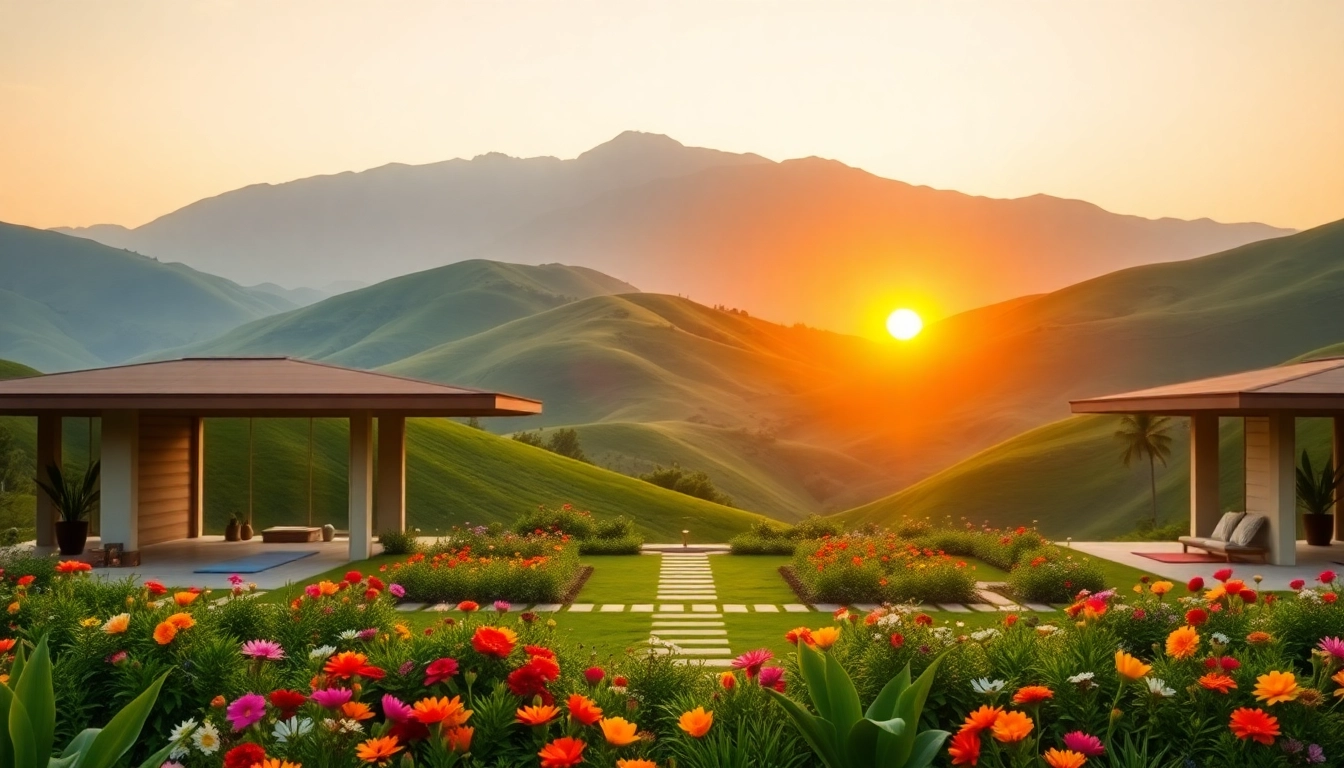
Understanding Wellness Retreats
What is a wellness retreat?
A wellness retreat is a dedicated space where individuals can escape the hustle of everyday life to rejuvenate both the mind and body. Typically set in serene locations, these retreats provide a structured environment focusing on health, relaxation, and personal growth. Activities often include yoga, meditation, nutritional workshops, and holistic healing practices, allowing participants to cultivate personal wellness and mindful living.
Benefits of attending a wellness retreat
One of the primary benefits of attending a wellness retreat is the opportunity to disconnect from daily distractions. This focused time on wellness can lead to improved mental clarity, reduced stress levels, and enhanced emotional well-being. Participants often report lasting effects, including better coping strategies for daily stress and increased motivation towards healthier living. Furthermore, the sense of community fosters connections with like-minded individuals, providing support that extends beyond the retreat.
Types of wellness retreats
Wellness retreats come in various forms, catering to diverse interests. Some popular types include:
- Yoga Retreats: Emphasizing physical movement and mindful meditation.
- Detox Retreats: Focused on cleansing the body through specific diets and detoxification programs.
- Spiritual Retreats: Centering on personal spiritual growth and self-discovery practices.
- Adventure Retreats: Focusing on outdoor activities to promote health and fitness while immersing in nature.
- Holistic Healing Retreats: Incorporating alternative therapies such as acupuncture, aromatherapy, and energy healing.
Choosing the Right Wellness Retreat
Factors to consider when selecting a wellness retreat
Choosing the right wellness retreat is crucial for ensuring a fulfilling experience. Key factors to consider include:
- Objectives: Define your goals. Are you looking for relaxation, detoxification, or skill development?
- Environment: Consider your comfort level with various settings, whether tranquil landscapes, rustic cabins, or luxurious resorts.
- Budget: Determine your financial limits, as retreat costs can vary widely based on amenities and duration.
- Duration: Depending on your schedule, choose a retreat that fits your available time.
Understanding different wellness approaches
Different wellness retreats adopt various methodologies. For instance, some may lean heavily on Eastern philosophies emphasizing mindfulness and meditation, while others may focus on Western therapeutic practices. It’s essential to research these approaches and align them with personal values and wellness goals, as this alignment will enhance overall satisfaction.
Evaluating retreat locations
The location of a wellness retreat can significantly influence your experience. Consider factors such as climate, accessibility, and natural surroundings. Locations like serene beaches, lush mountains, or peaceful countryside can enhance relaxation. Also, assess the amenities offered on-site, including spa facilities, outdoor spaces, and comfort levels of accommodations.
Activities Offered at Wellness Retreats
Yoga and meditation practices
Many wellness retreats prioritize integrative activities like yoga and meditation, offering classes suited for all experience levels. These practices promote physical health, encourage mindfulness, and reduce stress, often facilitated by experienced instructors who guide participants in exploring various styles, from Hatha to Vinyasa. Meditation sessions may introduce breathwork techniques and mindfulness exercises, creating a holistic approach to mental clarity.
Nutrition and wellness workshops
Nutrition plays a fundamental role in overall wellness, and retreats often provide workshops on healthful eating practices. These might include cooking classes, discussions around dietary choices, and educational lectures on holistic nutrition. Participants learn how to prepare nourishing meals that align with their health goals, enabling them to make informed decisions about food following the retreat experience.
Nature-based experiences
Nature has a therapeutic effect that many wellness retreats harness by incorporating outdoor activities. This may include hiking, nature walks, and mindfulness practices in the midst of beautiful natural landscapes. Such experiences not only promote physical health but also enhance mental well-being, allowing you to reconnect with the earth and appreciate the beauty of your surroundings.
Preparing for Your Wellness Retreat
What to pack for a wellness retreat
Preparation is key to maximizing your retreat experience. Essential items to pack may include:
- Comfortable Clothing: Suitable for yoga and relaxation.
- Journal: To document thoughts and reflections throughout the retreat.
- Nourishing Snacks: For personal dietary preferences outside of provided meals.
- Personal Care Items: Follow your personal hygiene and wellness regimen.
Setting personal goals for the retreat
Before embarking on your wellness retreat, it’s beneficial to set clear personal goals. Whether it’s managing stress, developing a new healthy habit, or exploring personal spirituality, defining these objectives will give you direction and purpose. Engage in pre-retreat reflections to clarify what you hope to achieve, ensuring active participation in relevant activities and workshops.
Mindset tips for a successful retreat experience
Approaching your retreat with an open mindset is crucial. Allow yourself to fully engage in the experience without judgment or expectation. Remind yourself that wellness is a journey, and embracing flexibility will lead to discovering new paths to health. Make a conscious effort to disconnect from distractions and focus on the present moment, facilitating a transformative experience.
Making the Most of Your Wellness Retreat Experience
Engaging with fellow retreat participants
Cultivating relationships with fellow participants enhances the experience significantly. Engage during activities and share insights, creating a supportive community atmosphere. Participate in group discussions, collaboration in workshops, and shared meals to foster connections that can sustain you beyond the retreat setting.
Continuing wellness practices post-retreat
To ensure the benefits of your wellness retreat resonate long after your return, develop a post-retreat plan. Implement daily practices like meditation, yoga, and mindful eating. Consider scheduling regular check-ins to assess progress and stay committed to your wellness journey, fostering sustained growth and improved mental health.
Measuring your wellness journey progress
Establishing metrics to track progress is essential. This might include journaling feelings and reflections, tracking physical progress through fitness goals, or evaluating mental well-being via mindfulness practices. Create benchmarks to assess your progress over time, allowing you to celebrate milestones and adapt as necessary to enhance your wellness journey.
Frequently Asked Questions
What should I expect at a wellness retreat?
Expect a combination of activities focused on relaxation, physical well-being, and personal development such as yoga, meditation, and workshops.
How do I choose the right wellness retreat?
Consider your goals, preferences for location, budget, and review the approaches and activities offered for alignment with your interests.
Are wellness retreats only for beginners?
No, wellness retreats cater to all levels, providing tailored experiences for both beginners and seasoned practitioners seeking to deepen their journey.
How can I prepare for a wellness retreat?
Pack comfortable clothing, set personal wellness goals, and cultivate an open mindset to enhance your overall experience.
Will I have time alone during the retreat?
Most wellness retreats include free time for reflection or personal activities, allowing participants to recharge and enjoy solitude.