
Understanding the Advantages of Engineered Composites in Modern Applications
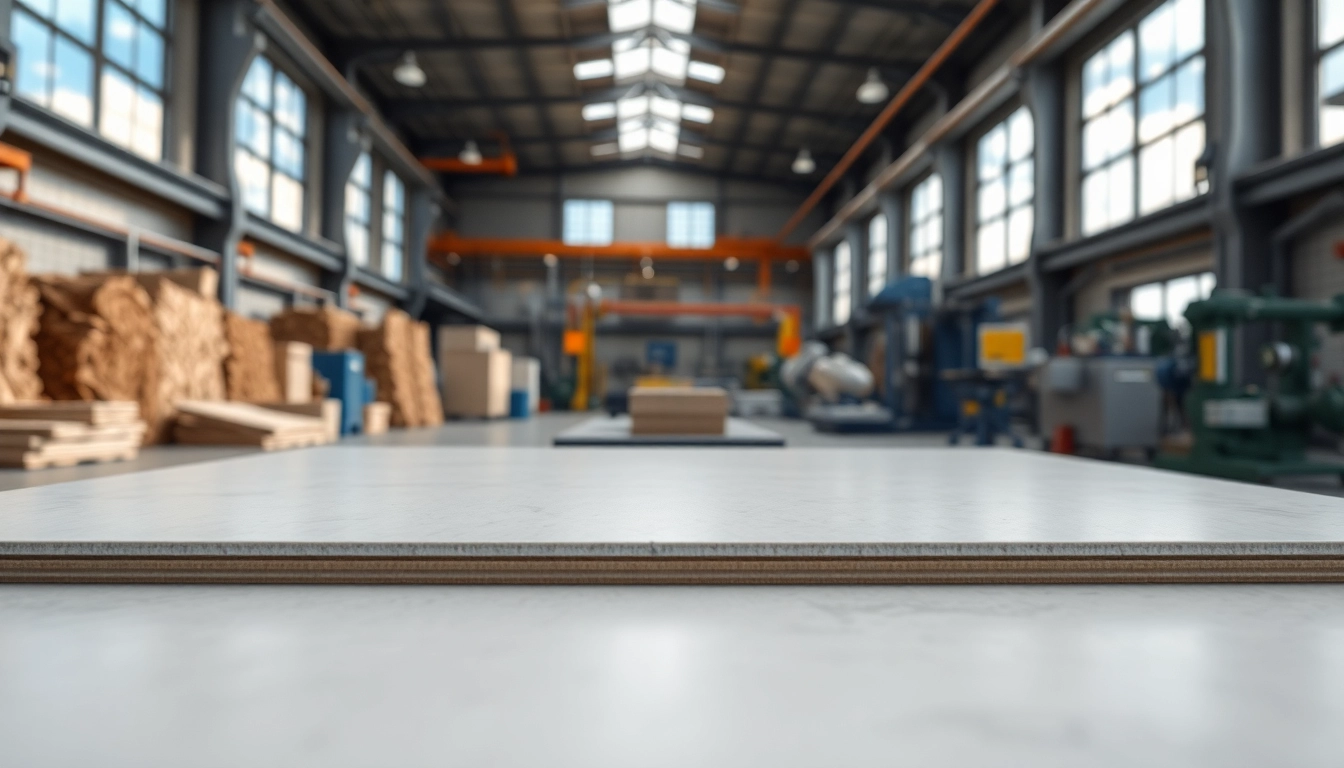
Introduction to Engineered Composites
Engineered composites are revolutionizing modern industries by merging different materials to achieve exceptional properties that single materials can’t match. These composites, which are often tailored to meet specific performance criteria, provide a much-needed solution in sectors ranging from aerospace to consumer products. Understanding the fundamentals of Engineered Composites allows professionals to leverage their unique advantages, ensuring optimized applications and superior end results. This article delves deeply into the various facets of engineered composites, including their definition, importance, properties, applications, material selection, fabrication processes, and future trends.
What Are Engineered Composites?
Engineered composites are advanced materials made by combining two or more constituent materials with distinct physical or chemical properties. The idea is to create a composite that delivers performance characteristics superior to those of the individual components. This combination can include fibers set in a resin matrix, metal matrix composites (MMC), or ceramic matrix composites (CMC). The engineering process often focuses on maximizing desired properties, such as strength, stiffness, thermal resistance, impact resistance, and weight reduction.
Importance of Engineered Composites in Industry
The significance of engineered composites in various industries cannot be overstated. They contribute to enhanced performance and cost efficiency, translating into competitive advantages for manufacturers. For instance, the aerospace sector uses engineered composites to create lighter, fuel-efficient aircraft, while the automotive industry utilizes them to improve safety and performance while reducing weight. The construction and infrastructure sectors benefit from their durability and strength-to-weight ratio, leading to safer and more reliable structures.
Key Properties of Engineered Composites
Engineered composites are renowned for their standout properties, which vary depending on their formulation. Key properties include:
- High Strength-to-Weight Ratio: They provide significant strength with reduced weight, making them ideal for applications where weight is critical.
- Corrosion and Chemical Resistance: Many composites exhibit excellent resistance to harsh environments, prolonging durability.
- Design Flexibility: They can be molded into various shapes, allowing for creative and innovative designs that enhance functionality.
- Customizable Performance: Tailoring the composition can yield materials designed for specific requirements, improving overall application performance.
Applications of Engineered Composites
The versatility of engineered composites enables their application across various sectors, each benefitting from specific properties tailored to meet unique demands.
Use in Aerospace and Automotive Sectors
In the aerospace industry, engineered composites have become an indispensable element, used in aircraft structures, wings, and fuselage components. Their lightweight nature contributes significantly to fuel efficiency and overall performance. For example, Boeing 787 Dreamliner extensively utilizes composites, offering a weight reduction that translates into lower operational costs. Similarly, in the automotive sector, components made of engineered composites improve fuel economy and enhance safety features. High-performance cars often use composite materials for body panels and internal structures, delivering superior performance without compromising safety.
Role in Construction and Infrastructure
Engineered composites are making headways in the construction industry due to their durability and weather resistance. Materials like fiber-reinforced polymer (FRP) composites are increasingly used in bridge construction, seismic retrofitting, and structural reinforcements. Their lightweight nature reduces transportation and installation costs, while their resilience against environmental factors ensures long-lasting structures. Additionally, composite materials allow for uniqueness in architectural designs while maintaining functionality.
Impact on Consumer Products
The consumer goods sector benefits significantly from the integration of engineered composites. From electronics casings to sporting goods, these materials enable manufacturers to deliver products that are not only aesthetically appealing but also perform better. For instance, high-strength composites are used in the production of lightweight yet durable bicycles, enhancing the riding experience. Similarly, premium electronics often utilize composite materials for enhanced durability and performance, meeting the rigorous demands of modern consumers.
Choosing the Right Engineered Composites
Selecting the appropriate engineered composite involves a thorough understanding of material attributes, performance metrics, and cost-effectiveness.
Assessing Material Requirements
To make informed choices, it’s crucial to begin with assessing specific material requirements based on application. Engineers must evaluate load-bearing capacity, temperature resistance, environmental factors, and any regulatory standards that the composite needs to comply with. A detailed understanding of these factors will guide the selection of the right materials for any engineering application.
Understanding Performance Metrics
Engineered composites differ in their performance metrics, including tensile strength, modulus of elasticity, thermal conductivity, and fatigue resistance. Thoroughly understanding these metrics helps determine which composite is suitable for the application. For instance, a high tensile strength may be prioritized for aerospace components, while thermal resistance could be more crucial for applications in fire-prone industries.
Cost Considerations in Selection
While performance is paramount, cost remains an essential factor in selecting engineered composites. It’s vital to balance quality and expense without compromising on performance. An investment in high-performance materials might yield long-term cost savings through durability and reduced maintenance. Engaging in lifecycle cost analysis can provide insights into the long-term value of composite materials in specific applications.
Fabrication and Manufacturing Processes
The production of engineered composites involves various techniques, each tailored to create materials with specific properties and applications.
Overview of Production Techniques
Common fabrication methods for engineered composites include:
- Hand Lay-Up: A labor-intensive process suitable for small-scale production that allows for detailed manual layering of materials.
- Prepreg Lay-Up: Utilizes pre-impregnated fibers, ensuring consistent resin content, leading to higher-quality outputs.
- Resin Transfer Molding (RTM): A closed-mold process ideal for medium to high-volume production, resulting in low porosity and higher strength.
- Pultrusion: A continuous process where fibers are pulled through resin and a shaped die, suitable for large, uniform profiles.
Quality Control in Engineered Composites Manufacturing
Quality control is crucial in ensuring that engineered composites meet industry standards and performance expectations. This involves rigorous testing methods, including non-destructive testing (NDT) techniques like ultrasonic and radiography inspections. Additionally, process monitoring during fabrication ensures that any deviations from expected parameters are addressed immediately to avoid defects in the final product.
Future Trends in Fabrication
The future of engineered composites looks promising, with emerging trends focused on sustainability and smart functionalities. Innovations in bio-based composites and recycling technologies are gaining traction, enabling manufacturers to create environmentally friendly products. Additionally, advancements in additive manufacturing, such as 3D printing, are expected to revolutionize the production of composites, allowing for complex geometries and reduced waste.
FAQs About Engineered Composites
What are the main benefits of engineered composites?
Engineered composites offer enhanced strength, durability, and lightweight properties, making them ideal for various applications.
How are engineered composites made?
They are made by combining different materials to create a composite with superior characteristics compared to its individual components.
Where are engineered composites commonly used?
Common industries include aerospace, automotive, construction, and consumer electronics due to their performance advantages.
What should I consider when selecting engineered composites?
Consider material properties, cost, intended application, and compliance with industry standards to ensure optimal performance.
What are the future trends for engineered composites?
Expect advancements in sustainability, smart materials, and enhanced performance metrics to drive the future of engineered composites.