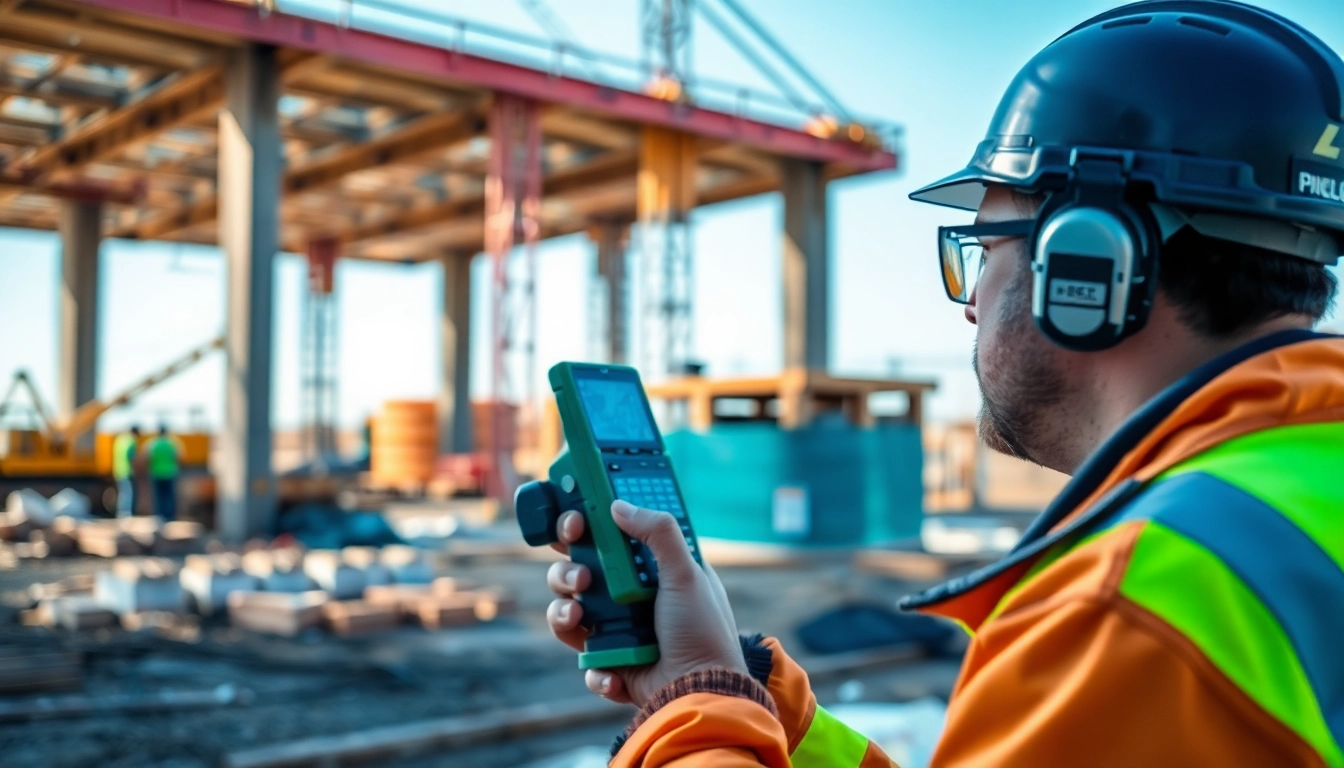
Understanding Noise Impact Assessment for Environmental Planning
In today's fast-paced world, noise pollution has become an increasingly pressing issue that impacts both human health and the environment. As urban areas grow and industrial activities develop, the need for a structured noise impact assessment is crucial. This comprehensive evaluation serves to analyze and mitigate the potential effects of noise generated by various sources, ensuring that development projects comply with established regulations while also protecting the acoustic environment.
What is Noise Impact Assessment?
Definition and Purpose of Noise Impact Assessment
A noise impact assessment (NIA) is a systematic process that evaluates the potential effects of noise on the surrounding environment and its inhabitants. This process typically involves the measurement of existing noise levels, the prediction of future noise from a proposed project, and an analysis of how these noise sources will impact local communities. The primary purpose of an NIA is to inform decision-makers, stakeholders, and the public about the noise implications of a certain project, ensuring that appropriate mitigation measures are implemented to minimize disturbances.
Importance in Environmental Planning
Noise impact assessments play a vital role in environmental planning. As urbanization continues to escalate, understanding noise pollution's implications is critical for maintaining the quality of life in residential and commercial areas. By integrating an NIA into the planning process, developers and urban planners can identify potential conflicts early on, prioritize community health, and comply with local, state, and federal regulations regarding noise control.
Common Applications of Noise Impact Assessment
Noise impact assessments are commonly applied in various scenarios, including:
- Urban Development: Assessments are crucial for large-scale urban projects such as skyscrapers, residential complexes, and infrastructure development.
- Transportation Projects: Highways, airports, and rail systems often require thorough noise studies to evaluate their impacts on surrounding communities.
- Industrial Projects: Factories and power plants need assessments to address noise generated during construction and operation.
- Event Planning: Concerts, fairs, and other large gatherings necessitate evaluations to minimize disruptions to nearby residents.
Key Components of Noise Impact Assessment
Noise Measurement Techniques
Accurate noise measurement is foundational to any effective noise impact assessment. Various techniques are employed to gather data on existing noise levels, including:
- Long-term Monitoring: Involves placing sound measurement equipment in a location for an extended period, capturing variations in noise levels over time.
- Short-term Measurements: Typically conducted during specific hours or events to gauge peak noise levels.
- Predictive Modeling: Using software to simulate potential noise impacts based on projected data, the layout of the project, and environmental factors.
Data Analysis Methods
Once noise data is collected, it needs to be analyzed to extract meaningful insights. Analysts employ various methods, including:
- Statistical Analysis: Techniques such as average, maximum, and percentile calculations allow professionals to summarize noise conditions effectively.
- Geographical Information Systems (GIS): GIS tools enable the visualization of noise data spatially, helping stakeholders understand the areas most affected by noise.
- Comparative Analysis: This involves comparing baseline noise levels against predicted levels to assess potential impacts accurately.
Reporting Findings Effectively
Effective communication of the findings from a noise impact assessment is essential for transparency and stakeholder engagement. Reports should be clear, concise, and comprehensible to a broad audience. Key elements to include in a noise impact report are:
- Executive Summary: A brief overview of the assessment's objectives, methods, and key findings.
- Methodology: Detailed description of how data was collected and analyzed.
- Results: Presentation of noise measurement results, including visual aids such as charts and maps.
- Mitigation Recommendations: Practical solutions to address identified noise issues, ensuring that developments remain in compliance with noise regulations.
Regulatory Framework Surrounding Noise Impact Assessment
Relevant Legislation and Guidelines
Noise impact assessments are guided by a complex set of regulations and guidelines that differ by region. It is essential to understand the legal framework governing noise in the area of a proposed project. Some key considerations include:
- Local Ordinances: Many municipalities enforce specific noise limits to protect residential areas from excessive disturbances.
- State Regulations: States may have broader legislation governing noise pollution, necessitating compliance with stringent standards.
- Federal Guidelines: Certain projects, especially those involving federal funding or oversight, must adhere to federal noise regulations set forth by agencies like the Environmental Protection Agency (EPA).
Stakeholder Engagement Processes
Engaging stakeholders throughout the noise impact assessment process is vital for a project's success. Effective engagement can include:
- Public Meetings: Organizing forums to present findings to the community and gather feedback.
- Workshops: Providing opportunities for stakeholders to voice concerns and contribute to mitigation strategies.
- Consultations with Experts: Involving acoustics experts or environmental consultants ensures that assessments meet technical standards.
Compliance and Best Practices
To ensure a successful noise impact assessment, practitioners should adhere to best practices, including:
- Following Standard Protocols: Employ recognized methodologies and comply with local guidelines during assessments.
- Documenting Procedures: Keeping a detailed record of methods, observations, and stakeholder interactions aids transparency and accountability.
- Continuous Training: Keeping abreast of current technologies and best practices in the field of noise assessment enhances the quality of assessments.
Case Studies on Noise Impact Assessment
Successful Applications in Urban Development
Examining case studies of successful noise impact assessments highlights their importance in urban planning endeavors. For instance, a major urban development project implemented a comprehensive NIA, which identified key noise sources and proposed mitigative landscaping and façade treatments. This proactive approach allowed the developers to minimize complaints from nearby residents and maintain goodwill in the community.
Lessons Learned from Environmental Projects
Lessons gleaned from various environmental projects involving noise assessments can guide future efforts. For instance, a highway expansion project highlighted the need for early stakeholder engagement. By hosting community forums before construction began, the project leaders could address concerns and adjust plans accordingly to mitigate anticipated noise impacts.
Future Trends in Noise Impact Assessment
As awareness of noise pollution grows, future trends may include increased reliance on technology for accurate measurements, such as smartphone applications and IoT devices that can provide real-time noise data. Additionally, predictive analytics may offer more precise forecasts of potential noise impacts based on various project scenarios, aiding in more effective planning and decision-making.
Challenges and Solutions in Conducting Noise Impact Assessment
Common Obstacles Faced by Practitioners
Practitioners face several challenges when conducting noise impact assessments, including:
- Data Collection Difficulties: Inaccurate measurements or the presence of unforeseen variables can skew results.
- Regulatory Complexity: Navigating various local, state, and federal regulations can be daunting.
- Community Resistance: Stakeholders may express skepticism towards the results or proposed mitigations.
Innovative Solutions for Accurate Assessments
Addressing these challenges requires innovative strategies. For instance, employing advanced data collection technologies such as acoustic cameras can improve measurement accuracy and reduce subjective biases. Additionally, conducting pilot studies to test proposed mitigations can provide concrete evidence of their effectiveness, easing community concerns.
Stakeholder Approaches to Mitigating Noise Issues
Ultimately, collaborative approaches among stakeholders will yield the best outcomes. Establishing communication channels between developers, regulatory agencies, and communities ensures that noise impact assessments serve their purpose effectively. By prioritizing transparency and involvement, stakeholders can work together toward solutions that respect both development goals and community needs.
Through a comprehensive understanding and implementation of noise impact assessments, stakeholders can navigate the complexities of urban development while safeguarding community health and the environment.